
CJP Signals Fresh Protests Over Electoral Rolls as Dispute With ECI Continues
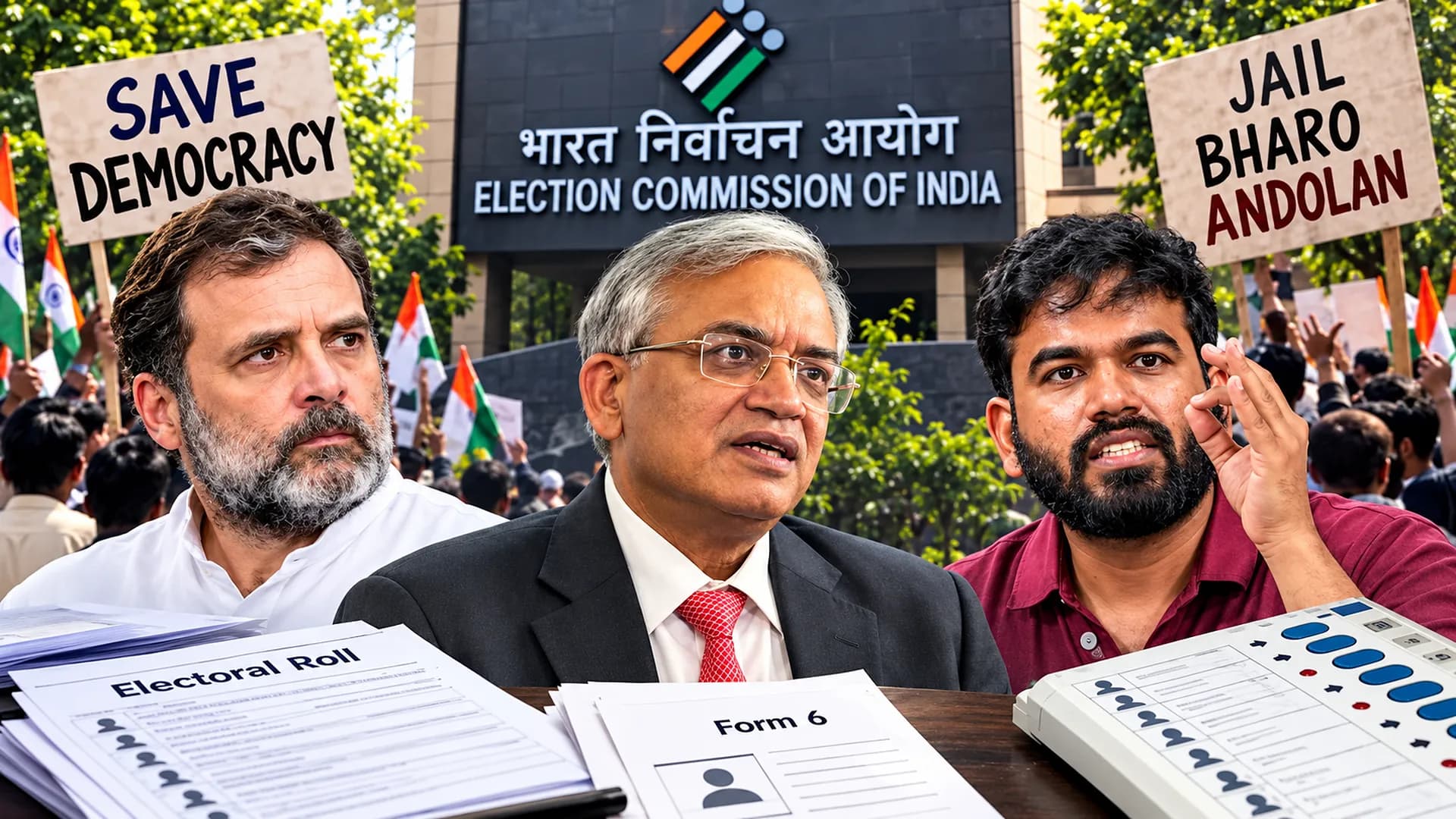
The Cockroach Janta Party (CJP) has announced plans for a fresh phase of demonstrations concerning the Special Intensive Revision (SIR) of electoral rolls and administrative accountability within the Election Commission of India (ECI). Following high-profile demonstrations in the national capital, representatives confirmed that detailed schedules, target locations, and coordinated dates would be formally announced in the coming days.
The dispute stems from procedural concerns raised by political outfits, grassroots workers, and civil society groups regarding large-scale voter deletions and verification bottlenecks. While election authorities maintain that periodic roll revisions are routine statutory measures designed to eliminate duplicate entries and update voter registries, opposition parties allege that arbitrary removals have disenfranchised genuine electors across multiple constituencies.
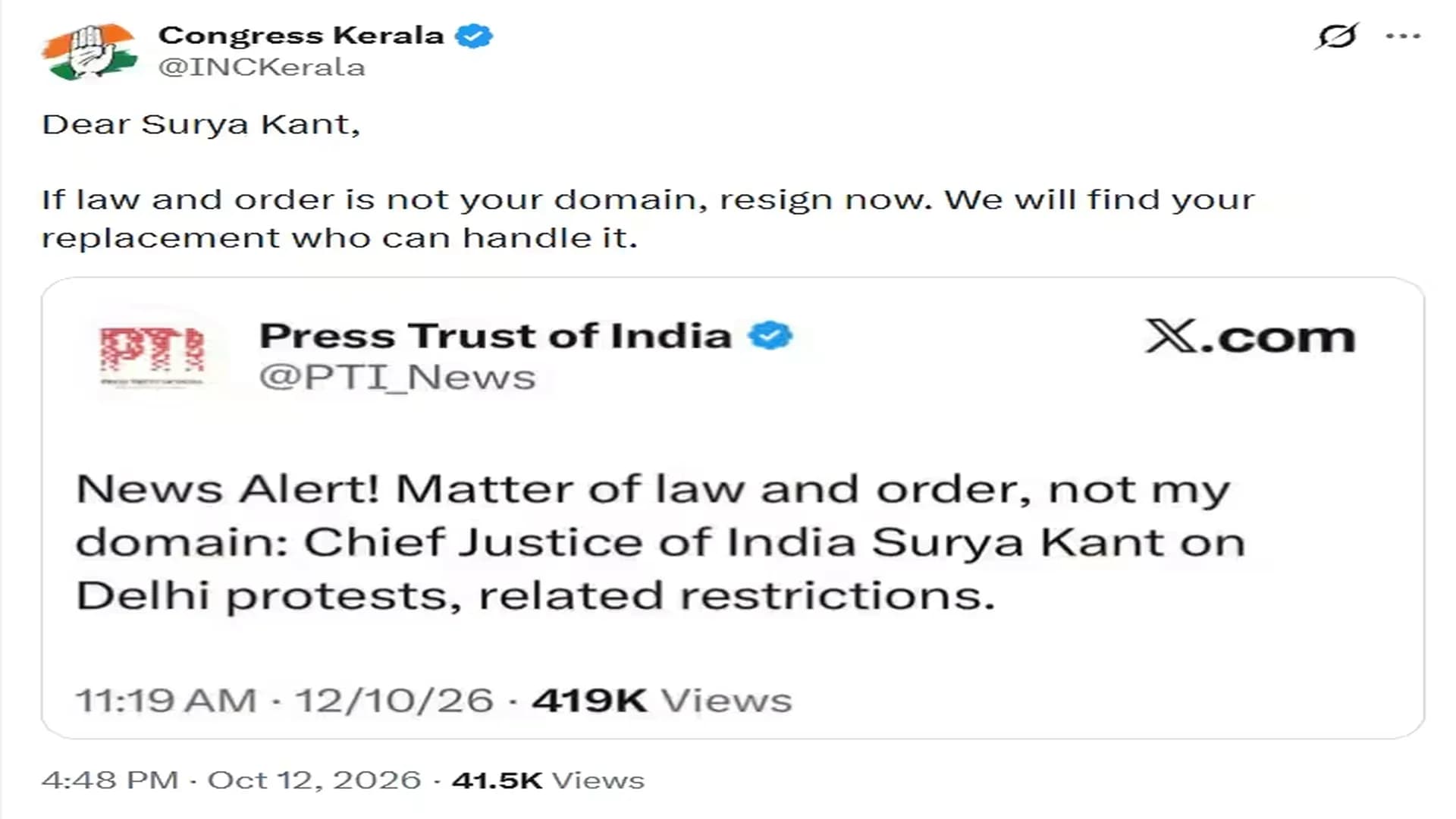
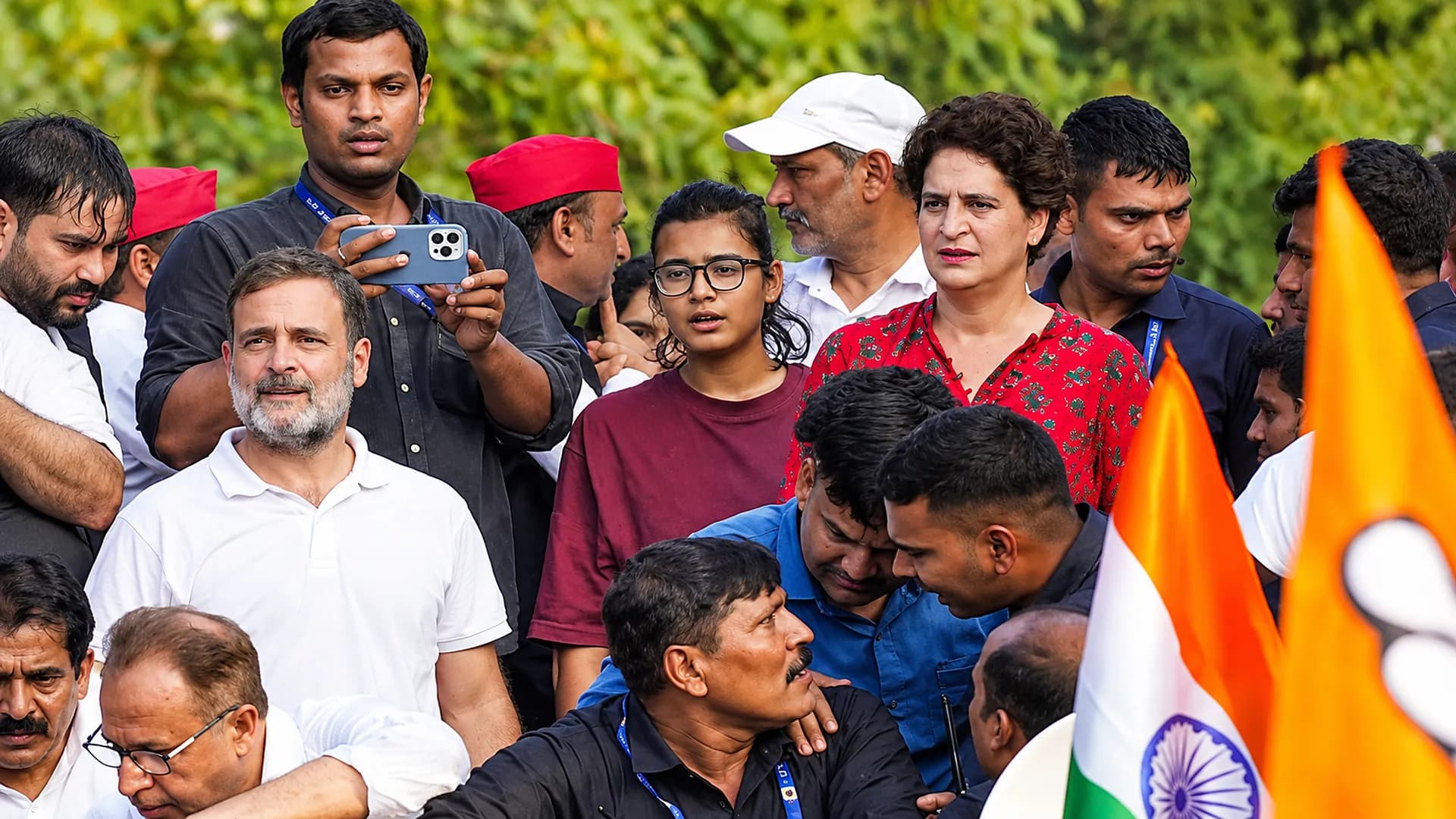
The legal and political friction escalated on October 12, when key opposition leaders organized a coordinated march toward the Supreme Court of India, demanding urgent judicial oversight into the ECI’s revision protocols. Litigants raised grievances over administrative handling and curbs on public demonstration sites. However, the apex court bench reiterated during preliminary hearings that judicial forums resolve matters strictly on statutory grounds and verified records rather than political agitation. Nevertheless, the simultaneous presence of the issue on the streets and in constitutional courtrooms highlights a deepening institutional divide.
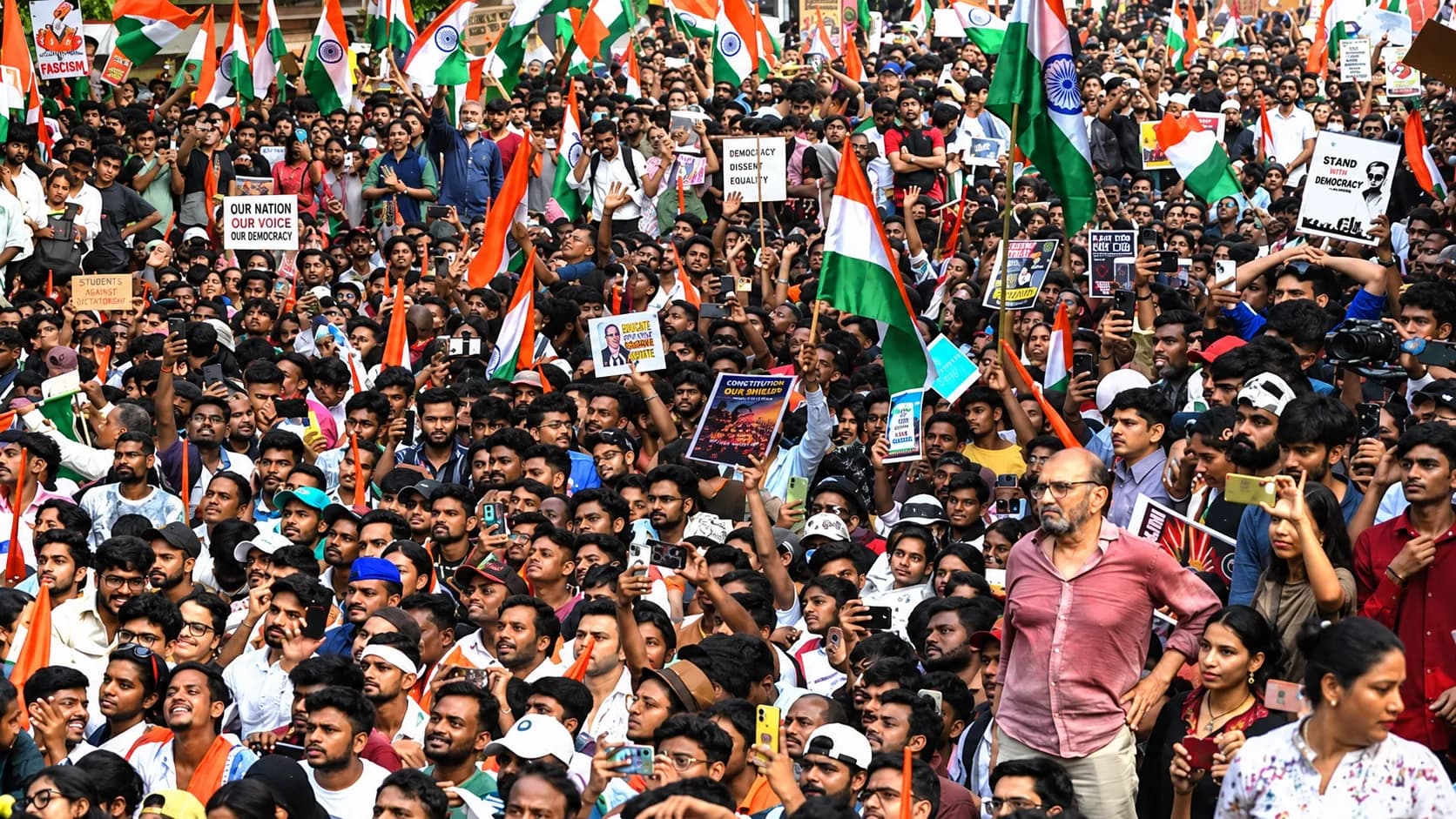
Public demonstrations serve as an established constitutional mechanism for democratic accountability. However, public gatherings remain subject to reasonable statutory regulations governing public order, traffic coordination, and civic peace. Friction has repeatedly surfaced between protest organizers and administrative authorities regarding assembly permissions and venue restrictions at designated spots like Jantar Mantar. Organizers argue that delayed clearances weaken civic participation, while law enforcement maintains that crowd regulations are vital in high-security zones.
At the core of the debate is public confidence in India's electoral machinery. Resolving these recurring frictions requires operational transparency: publishing accessible deletion lists, providing robust verification windows, and establishing structured administrative consultations with all recognized political parties. The forthcoming CJP schedule will indicate whether the movement expands into broader multi-state demonstrations or pivots primarily toward legal proceedings.

Join the discussion
Comments (0)