
INDIA Bloc Approaches Supreme Court Over Voter Roll Deletions, Demands Electoral Accountability
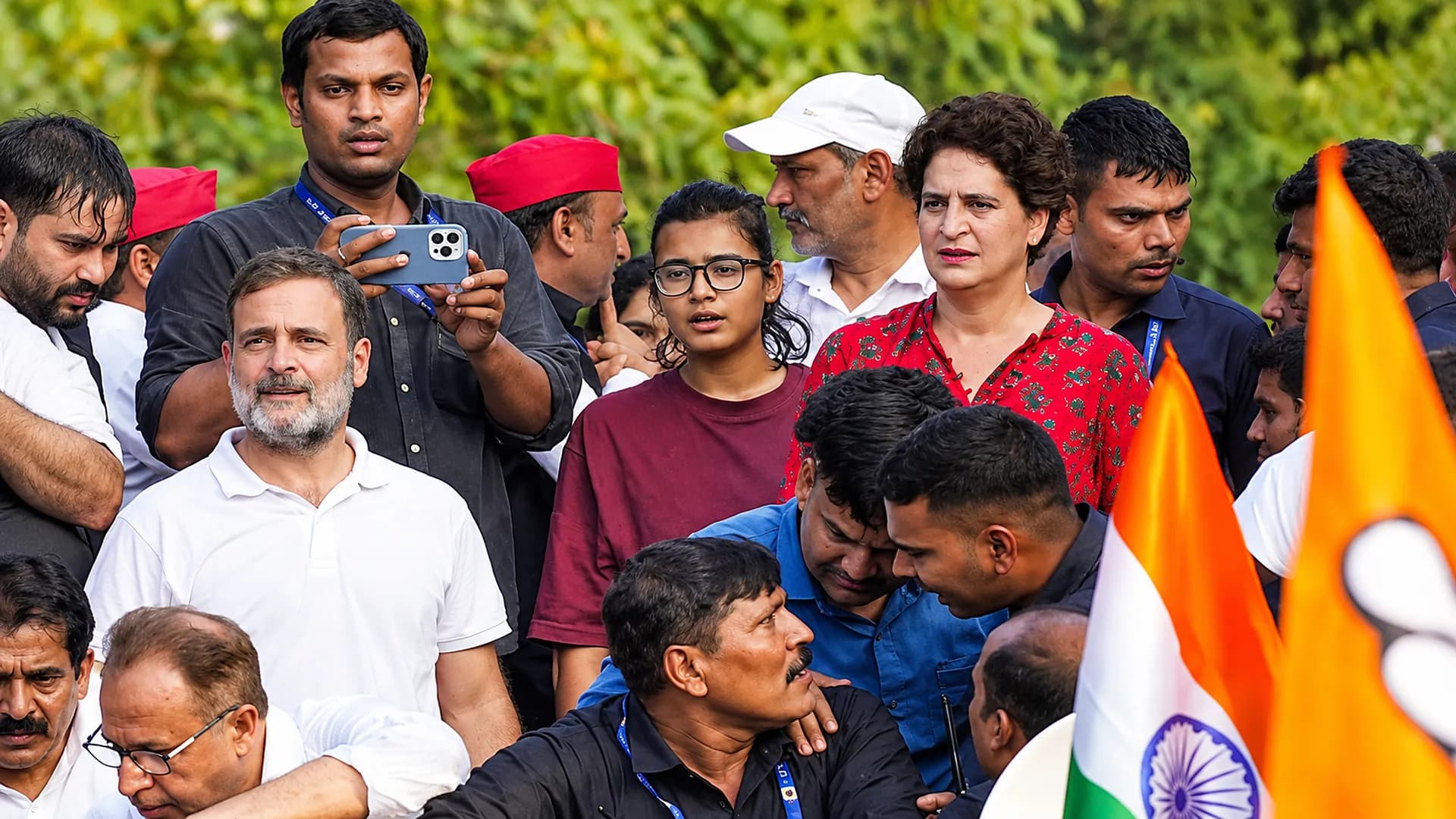
Opposition Challenges Electoral Roll Revision
The dispute over electoral roll revisions has intensified after opposition parties approached the Supreme Court, seeking scrutiny of the Election Commission's decisions and the deletion of voters' names during the Special Intensive Revision (SIR) process.
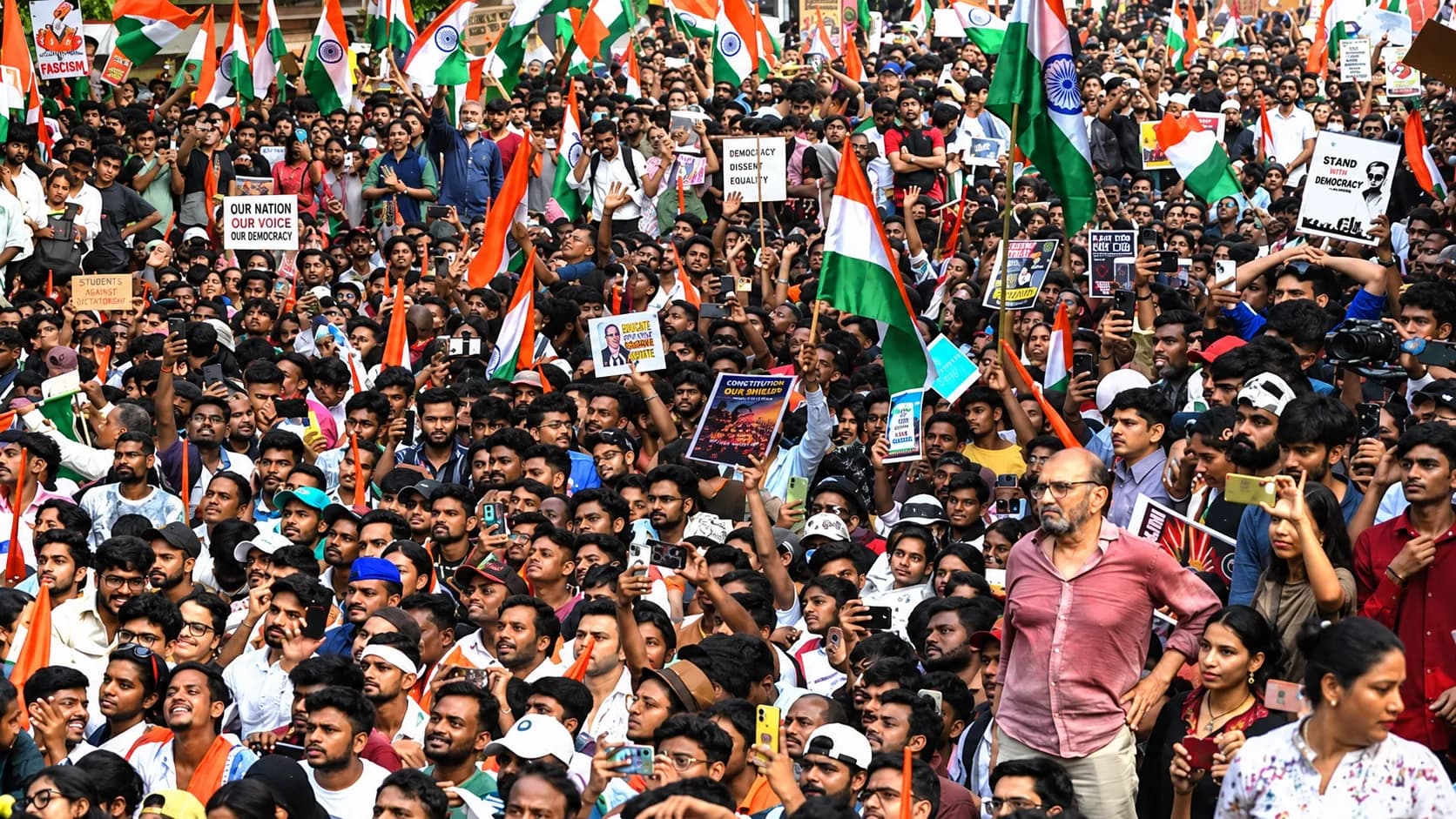
The opposition's move follows protests in New Delhi on October 12, when leaders from several political parties marched towards the Supreme Court to raise concerns about the electoral process.
The opposition's petition seeks an investigation into the Election Commission's decisions and an audit of the deleted voter entries. The parties argue that the process requires greater transparency and safeguards against wrongful exclusion.
The allegations remain disputed and should not be treated as proof that the electoral process was manipulated.
What Is the SIR Controversy?
The Special Intensive Revision is an electoral roll exercise intended to review voter registration records.
Such revisions can involve identifying deceased voters, people who have moved, duplicate entries and individuals whose details cannot be verified. However, the process also raises questions about how authorities establish eligibility and ensure that genuine voters are not removed incorrectly.
Opposition parties have questioned the scale and handling of deletions. They want greater clarity about the reasons for removing names and the procedures available to voters who believe their entries have been wrongly excluded.
The central issue is whether electoral rolls can be revised accurately while protecting every eligible citizen's right to participate in elections.
Opposition Parties Seek Judicial Scrutiny
The October 12 protest brought together leaders from several opposition parties, including Congress leader Rahul Gandhi and representatives of other INDIA bloc constituents.
The opposition has argued that the Election Commission must provide greater accountability over the revision process. Its demands include scrutiny of decisions and an examination of whether safeguards were followed.
The BJP, meanwhile, has criticised the opposition's campaign, describing it as political theatrics and arguing that the parties should address their electoral shortcomings rather than question democratic institutions.
These competing positions demonstrate how the administrative question of voter registration has become a broader political dispute.
Supreme Court's Role
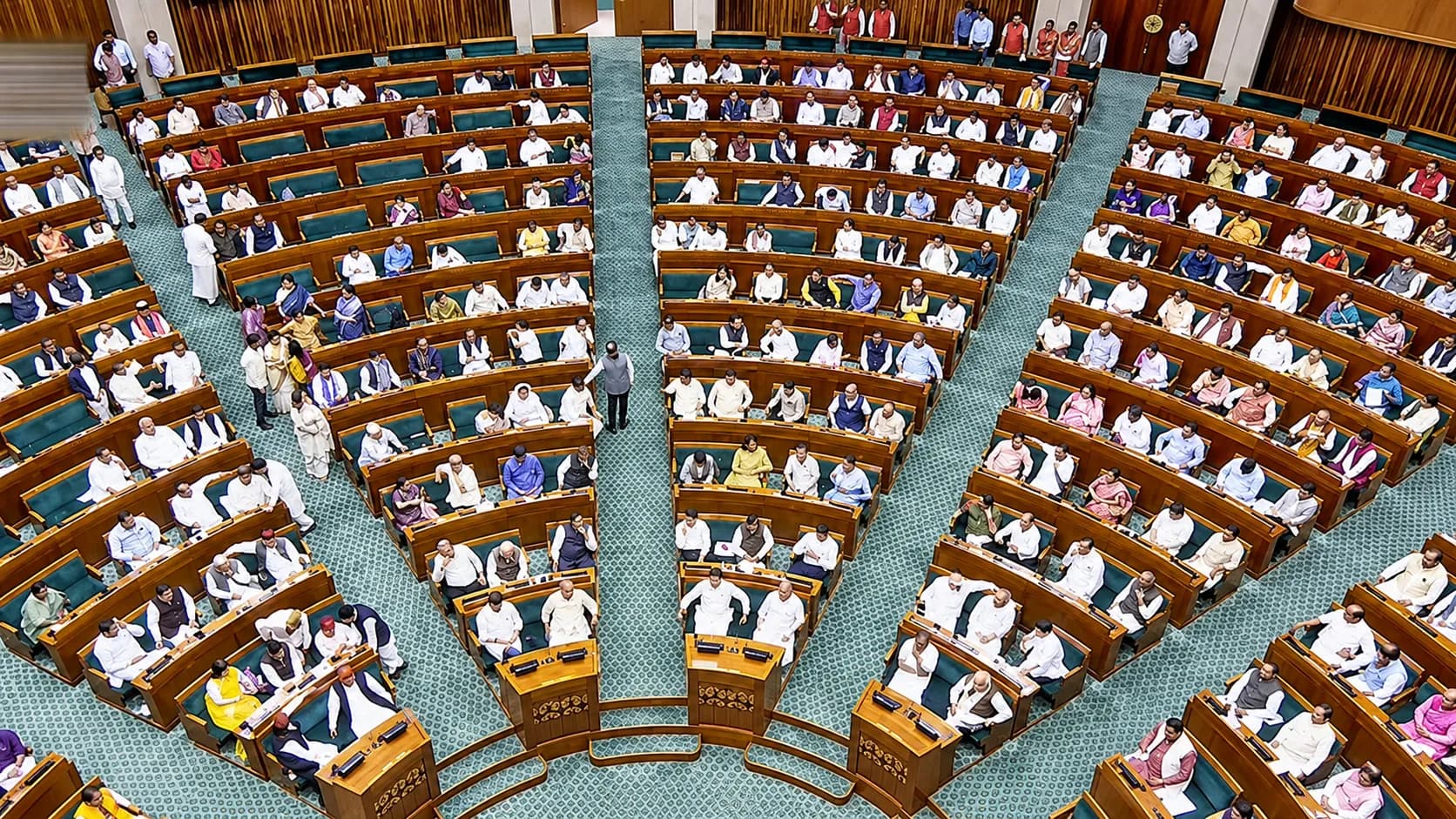
The opposition's petition places the issue before the judiciary, although filing a petition does not mean that the court has accepted the allegations.
The Supreme Court will determine the appropriate legal course in accordance with the applicable procedures.
The distinction between political claims and judicial findings is important. Allegations of wrongful deletion must be evaluated through evidence, official records and the legal safeguards governing electoral registration.
What Happens Next?
The next developments to monitor include the court's consideration of the petition, any directions concerning voter registration records and the Election Commission's response to the concerns raised.
For voters, the practical question is whether the revision process provides accessible mechanisms to check registration status and correct errors.
The controversy has placed electoral transparency at the centre of national politics. Its eventual outcome will depend on the evidence presented, the authorities' explanations and any judicial directions.

Join the discussion
Comments (0)