
CJI Surya Kant Says Supreme Court Must Not Become a Political Battleground Amid Election Row
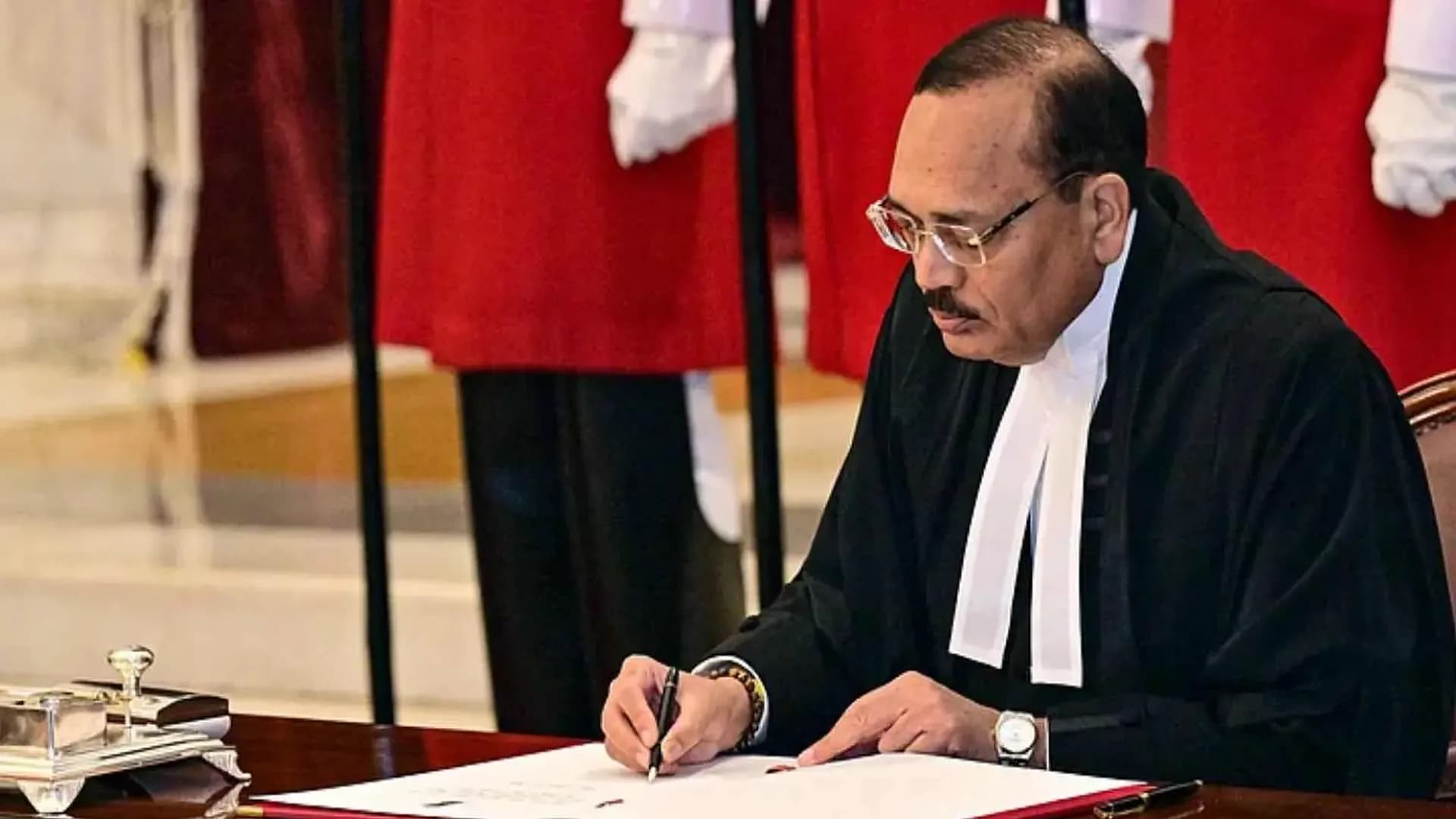
Chief Justice Comments on Political Disputes
Chief Justice of India Surya Kant has emphasised the importance of keeping political battles separate from the judiciary's institutional role amid the controversy surrounding electoral roll revisions.
The remarks came as opposition parties sought judicial scrutiny of the Election Commission's handling of voter registration and pursued action concerning Chief Election Commissioner Gyanesh Kumar.
According to reports, the Chief Justice cautioned against turning the Supreme Court into an arena for political confrontation.
The comments have added another dimension to the ongoing debate about how political parties should raise concerns involving constitutional institutions.
Background to the Dispute
Opposition parties have alleged irregularities in the Special Intensive Revision of electoral rolls. They have questioned the deletion of voter entries and called for greater transparency in the Election Commission's decisions.
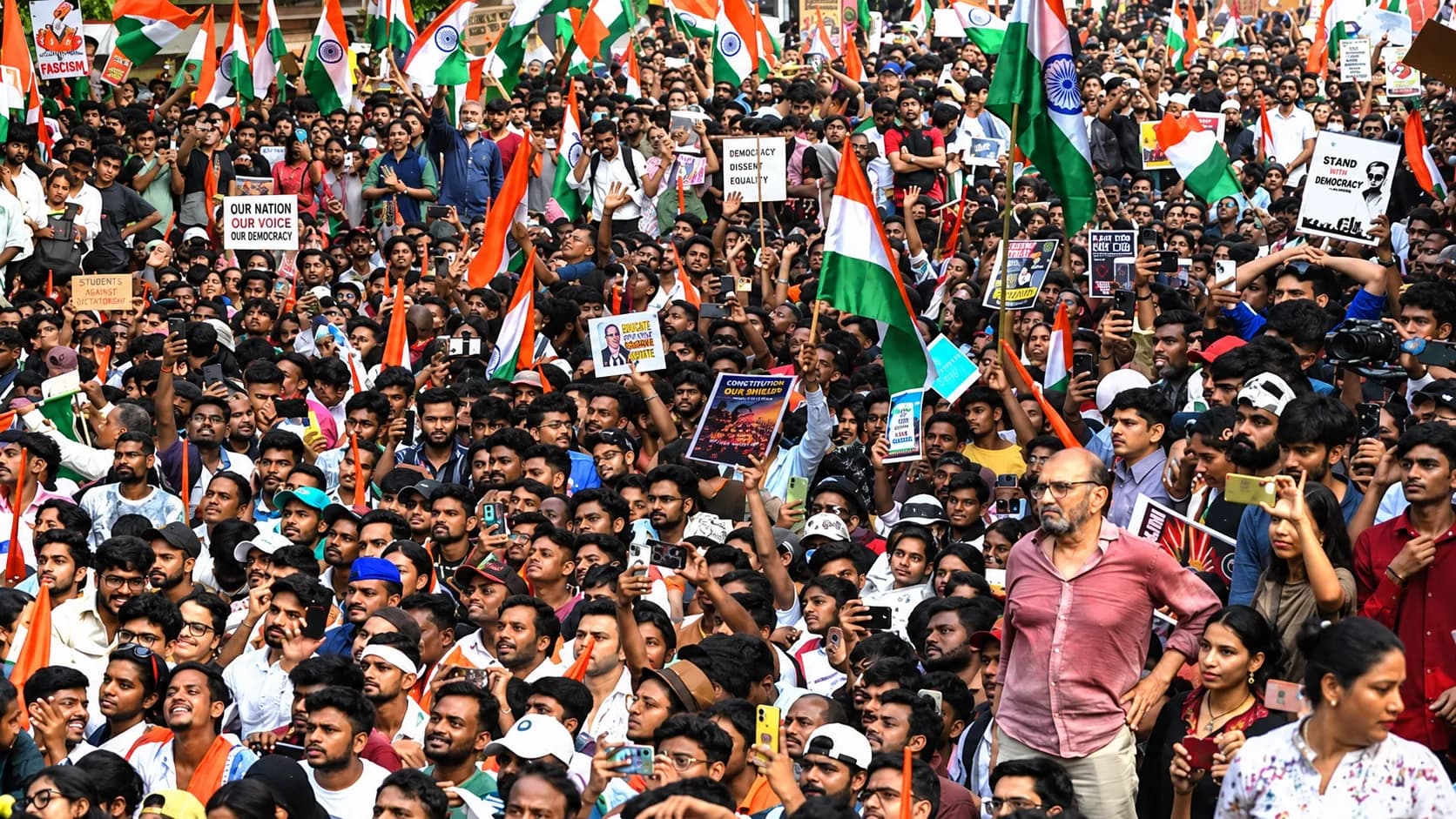
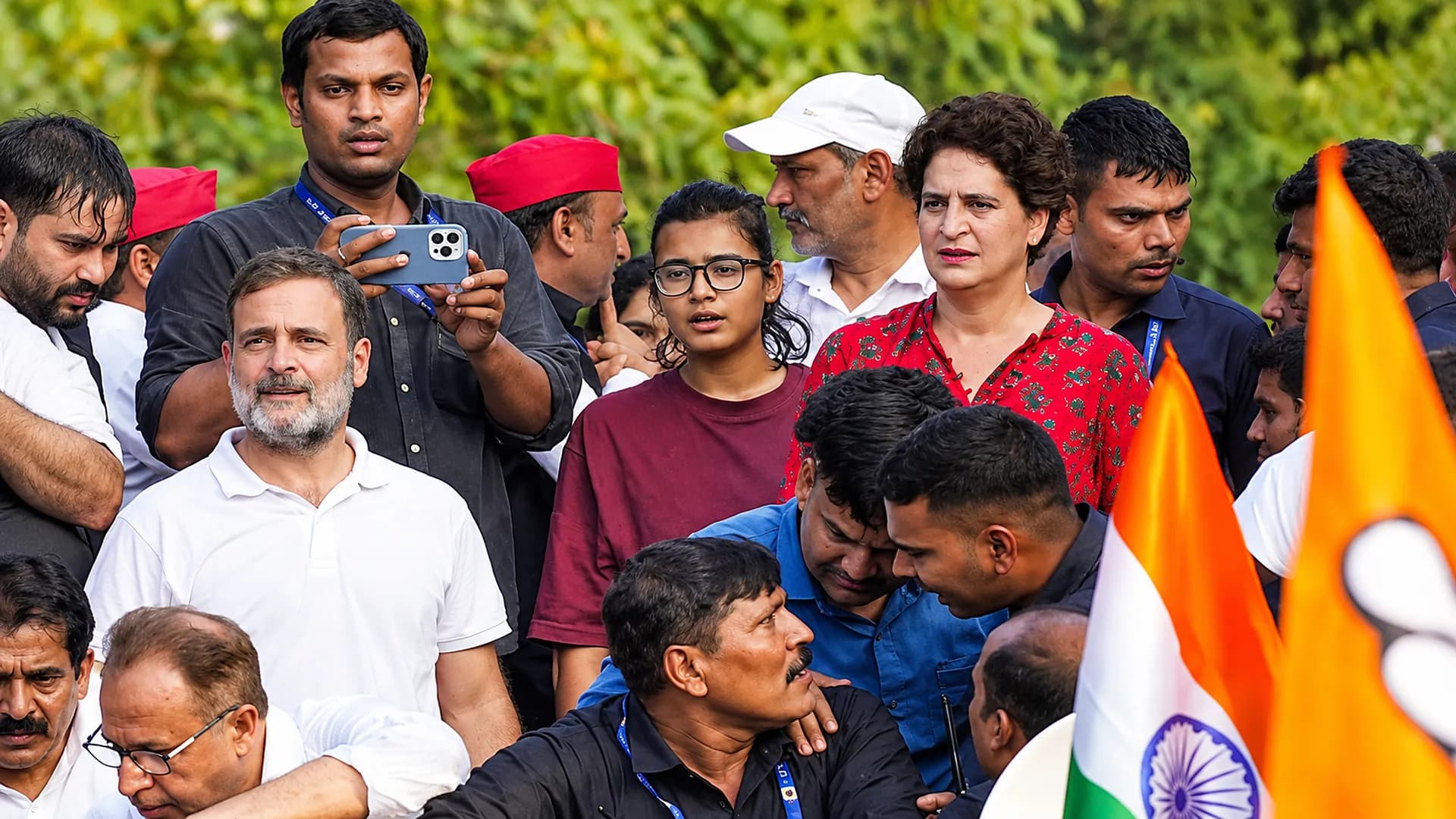
On October 12, opposition leaders participated in a march towards the Supreme Court and pursued a petition seeking scrutiny of the electoral process.
The BJP has criticised the opposition's campaign, arguing that the parties are using the dispute for political purposes.
The competing claims have created a confrontation involving political parties, the Election Commission and the judiciary.
Why Judicial Independence Matters
The Supreme Court performs a constitutional role that is distinct from the functions of political parties and the government.
Courts examine disputes through legal procedures, evidence and applicable law. Political parties, meanwhile, campaign for public support, criticise government decisions and advocate changes in policy.
The distinction matters because public confidence in the judiciary depends partly on its ability to consider cases without becoming an instrument of political competition.
At the same time, judicial independence does not remove constitutional authorities from legal scrutiny. Questions involving election administration can be brought before courts through appropriate legal proceedings.
The Difference Between a Meeting and a Court Hearing
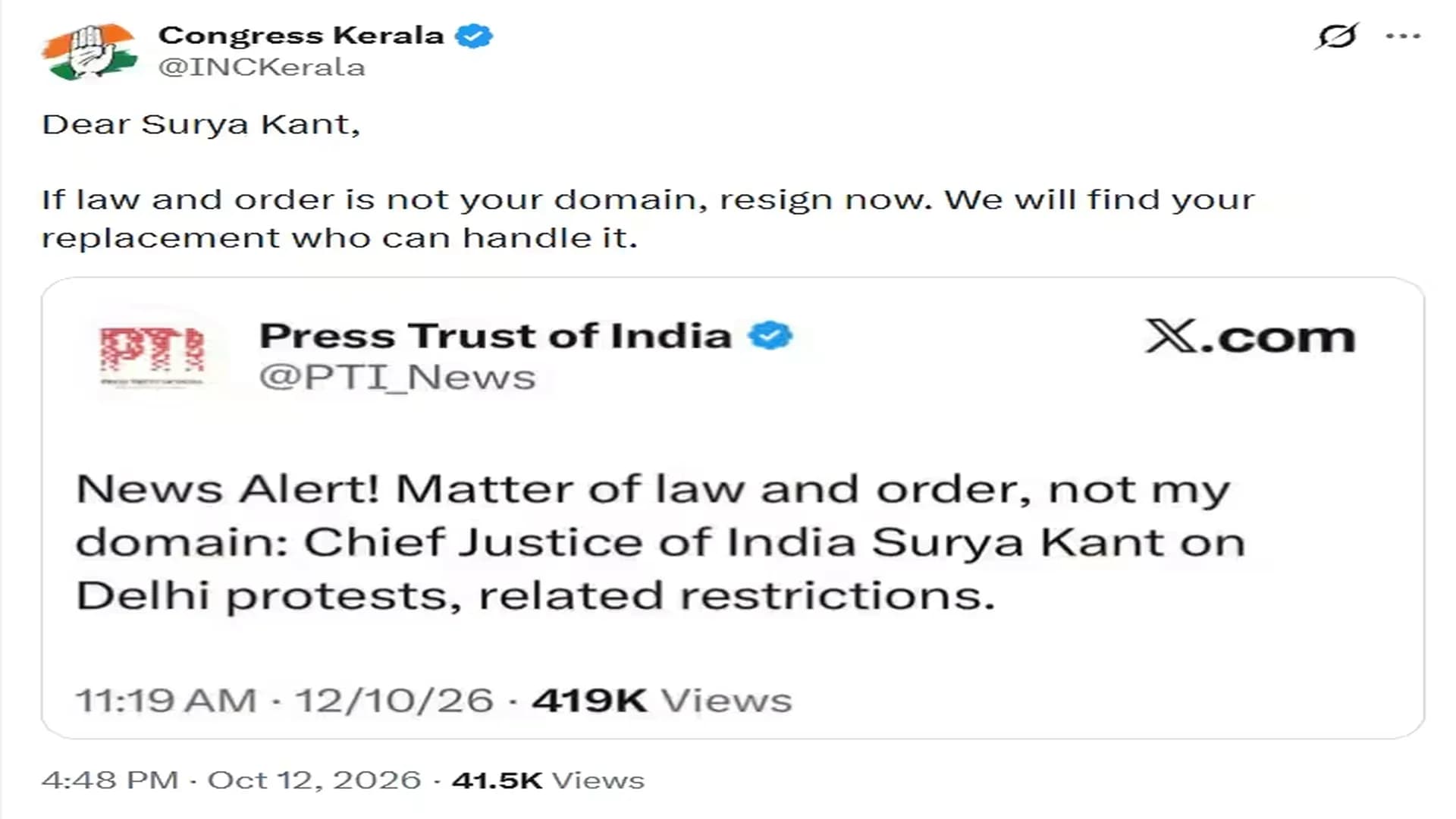
The controversy also concerns the opposition's request for a meeting with the Chief Justice.
A request for an administrative meeting is different from submitting a petition through the judicial process. The Chief Justice's reported refusal to hold a meeting should not automatically be interpreted as a ruling on the merits of the opposition's allegations.
Any legal challenge must proceed through the appropriate judicial channels.
Political Implications
The dispute places the opposition's campaign for electoral accountability alongside the judiciary's responsibility to preserve institutional independence.
For opposition parties, the challenge is to establish their claims through verifiable evidence and formal legal proceedings.
For the Election Commission, clear explanations of its procedures and safeguards are important to maintaining public confidence.
The BJP's criticism reflects its position that the opposition is politicising the issue. That argument, too, must be distinguished from the legal questions that may arise before the court.
What Happens Next?
Attention will remain on the legal proceedings concerning electoral roll revisions and any subsequent observations or directions from the Supreme Court.
The immediate question is not simply which political party benefits from the controversy. It is whether the relevant institutions can address the dispute through transparent administrative decisions and established legal procedures.
Join the discussion
Comments (0)