
Supreme Court Cancels Elections in 50 Punjab Wards, Orders Fresh Polls Within Six Weeks
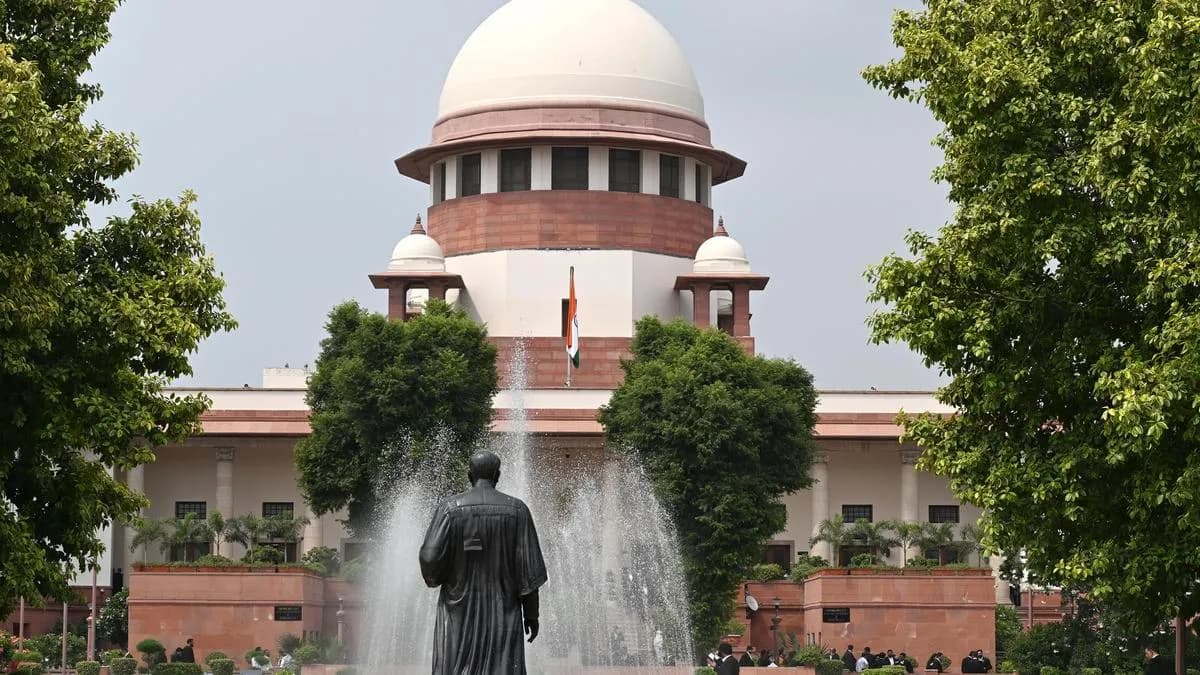
The Supreme Court of India has set aside elections in 50 municipal wards across Punjab and directed authorities to conduct fresh polls within six weeks after a fact-finding commission identified widespread obstruction during the nomination process in the December 2024 local body elections.
A three-judge Bench comprising Chief Justice of India Surya Kant and Justices Joymalya Bagchi and V. Mohana issued the directions in an order dated September 28, 2026, which became publicly available in October. The affected wards include 28 in Patiala district and 22 in Moga district.
The court accepted the recommendations of a commission headed by former Punjab and Haryana High Court judge Nirmaljit Kaur, which examined allegations of irregularities during the municipal elections.
Supreme Court Finds Serious Irregularities in Nomination Process
According to the commission's findings, candidates in several wards faced obstruction while attempting to submit their nomination papers. The reported incidents included nomination papers being snatched, torn or destroyed, as well as candidates allegedly being assaulted, detained or threatened.
The commission examined complaints relating to elections in municipal corporations, municipal councils and nagar panchayats. It concluded that elections in 50 wards had been affected by irregularities serious enough to warrant setting aside the results.
The Supreme Court accepted the commission's recommendations and directed that the affected wards go through a fresh election process.
The findings relate to specific wards and election proceedings. They should not be interpreted as a finding that every allegation made during Punjab's local body elections was established.
Which Punjab Wards Are Affected?
The order covers 50 wards across two districts.
In Patiala district, 28 wards of the Patiala Municipal Corporation are affected. In Moga district, the 22 wards include seven wards of the Dharamkot Municipal Council and all 15 wards of the Baghapurana Municipal Council.
The original local body elections were held on December 21, 2024. Following complaints by candidates associated with different national and state political parties, the Supreme Court appointed a fact-finding commission on March 24, 2025. The commission submitted its report on November 18, 2025.
The subsequent judicial review examined whether the alleged obstruction and other irregularities had compromised the election process in the affected wards.
Fresh Elections Must Be Completed Within Six Weeks
The Supreme Court has directed that the entire re-election process be completed within six weeks. It has also prescribed safeguards intended to improve transparency and accountability during the fresh polls.
The Chief Justice of the Punjab and Haryana High Court has been asked to appoint a monitoring committee comprising a retired High Court judge within one week. The election schedule can be announced only after the committee has been constituted.
The High Court's Chief Justice has also been asked to nominate at least two or three senior members of the High Court Bar to serve as observers during the re-election process.
The filing and scrutiny of nomination forms, allocation of election symbols and polling must be videographed in the observers' presence. The recordings are to be preserved and handed over to the monitoring committee.
Monitoring of Officials and Complaints
The court has directed the Punjab government to provide the monitoring committee with ward-wise lists of officials deployed for election duty before nominations begin. Details of police officers of the rank of Deputy Superintendent of Police and above must also be provided.
Complaints about interference or obstruction during the fresh election process can be submitted to the monitoring committee. Where allegations against individuals or officials are substantiated, the prescribed mechanism allows the matter to be referred for appropriate judicial action.
The process will not be considered complete merely because polling has concluded or results have been announced. The Supreme Court has directed that completion will depend on the Chief Justice of the Punjab and Haryana High Court being satisfied, on the basis of the committee's report, that the elections were conducted freely and fairly.
The Punjab government will bear the costs associated with the monitoring committee and observers and provide the necessary administrative, logistical, transport and security support.
Punjab Government Accepts the Commission's Recommendations
During the proceedings, senior advocate Kapil Sibal, appearing for the Punjab government, informed the court that the state had no objection to accepting the commission's recommendations.
The Supreme Court's order addresses the specific circumstances of these cases and seeks to ensure that the affected wards receive a fresh electoral process with additional safeguards.
The court also clarified that its directions arise from the particular facts of the cases and should not be treated as a precedent for future by-elections.
Political and Democratic Significance
The ruling has implications for local governance and electoral accountability in Punjab. Municipal representatives play an important role in civic administration, including local infrastructure, sanitation and public services. Ensuring that candidates can participate in elections without obstruction is therefore central to the legitimacy of local democratic institutions.
The case also highlights the role of judicial oversight when allegations of electoral irregularities are brought before the courts. The prescribed monitoring arrangements, video records and reporting requirements are intended to provide greater transparency during the fresh polls.
The immediate next step is the constitution of the monitoring committee, followed by notification and completion of the re-election process within the period specified by the Supreme Court.
The fresh elections will determine the representatives of the affected wards through a process subject to the safeguards laid down in the court's order.

Join the discussion
Comments (0)