Rajya Sabha
The Rajya Sabha (Council of States) is one of the two houses of the Indian Parliament, currently comprising 245 seats. Track its leadership, party composition, and the latest legislative developments.
Current vs. Opposition
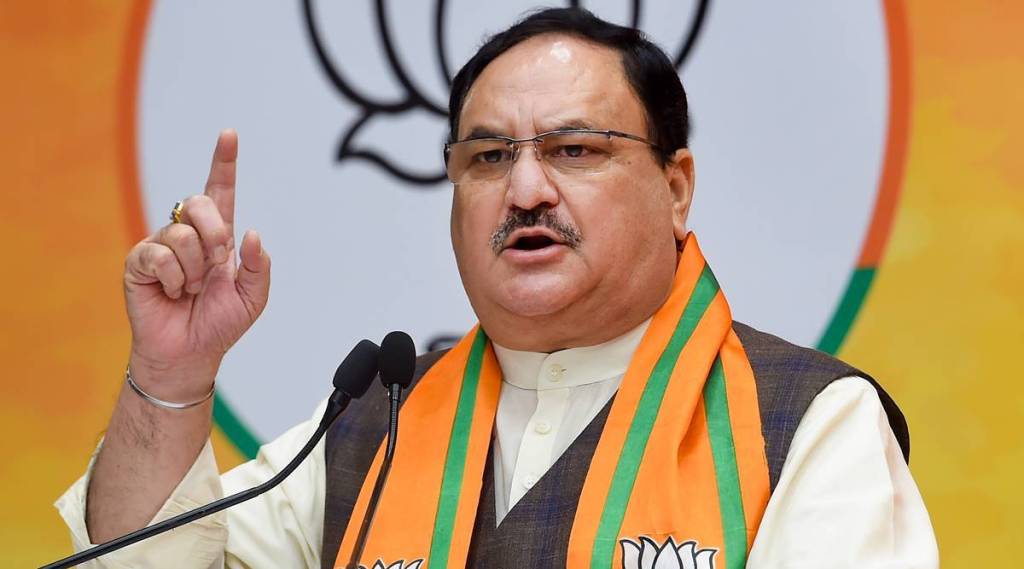
Jagat Prakash Nadda
Leader of the House, Rajya Sabha

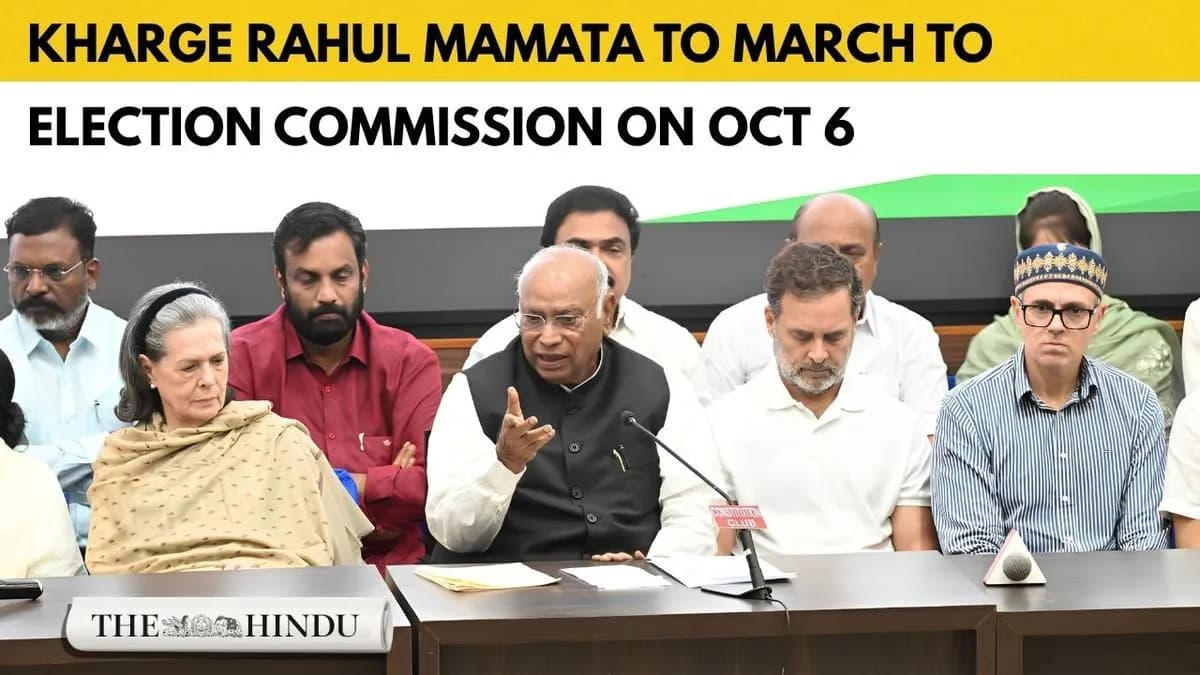
Mallikarjun Kharge
Leader of Opposition, Rajya Sabha
About the House
The Rajya Sabha is the Upper House of the Parliament of India and is also known constitutionally as the Council of States. It was created under the Constitution of India and held its first sitting on 13 May 1952. The name Rajya Sabha was adopted on 23 August 1954. The House was designed to provide representation to the States and Union Territories at the national level and to provide continuity in the parliamentary system. Unlike the Lok Sabha, the Rajya Sabha is a permanent House and is not subject to dissolution. Members representing the States are elected by elected members of the respective State Legislative Assemblies through proportional representation using the single transferable vote. Representatives of Union Territories are elected according to laws made by Parliament, while nominated members are appointed by the President of India. The Constitution provides for a maximum strength of 250 members, including up to 238 representatives of States and Union Territories and 12 nominated members. The present sanctioned strength is 245 members, consisting of 233 elected members and 12 nominated members. The Rajya Sabha has played a continuing role in parliamentary legislation, constitutional amendments, national policy discussions and scrutiny of government business since 1952.
The Rajya Sabha has contributed to the making and review of laws covering social reform, economic development, education, healthcare, agriculture, industry, environment, national security and constitutional governance. The House has provided a permanent parliamentary forum in which States and Union Territories are represented at the national level. The Rajya Sabha has examined and passed thousands of Bills during its history and has participated in the passage of major constitutional and legislative measures. The House has also provided a platform for detailed debates, parliamentary questions, committee work and discussions on national and state-related issues. Its permanent character and staggered retirement system provide continuity in parliamentary representation and legislative experience.
State-wise and Union Territory Seats
Constitutional seat allocation for the Rajya Sabha. The House also includes 12 nominated members.
States
225 seats| State / Territory | Seats |
|---|---|
| Andhra Pradesh | 11 |
| Arunachal Pradesh | 1 |
| Assam | 7 |
| Bihar | 16 |
| Chhattisgarh | 5 |
| Goa | 1 |
| Gujarat | 11 |
| Haryana | 5 |
| Himachal Pradesh | 3 |
| Jharkhand | 6 |
| Karnataka | 12 |
| Kerala | 9 |
| Madhya Pradesh | 11 |
Powers, Privileges and Immunities
Parliamentary privileges protect the independence of each House and allow its members and committees to perform their legislative duties without improper obstruction. They operate within the Constitution, parliamentary rules and applicable law.
Freedom of speech in Parliament
Article 105 protects freedom of speech in Parliament, subject to the Constitution and the rules and standing orders of the House.
Immunity for speeches and votes
A member cannot be made liable in court for anything said or any vote given in the House or one of its committees.
Protection for authorised publications
Court proceedings do not lie for publishing reports, papers, votes or proceedings under the authority of either House.
Protection of parliamentary proceedings
Each House can protect its proceedings and deal with a breach of privilege or contempt through its established parliamentary procedure.