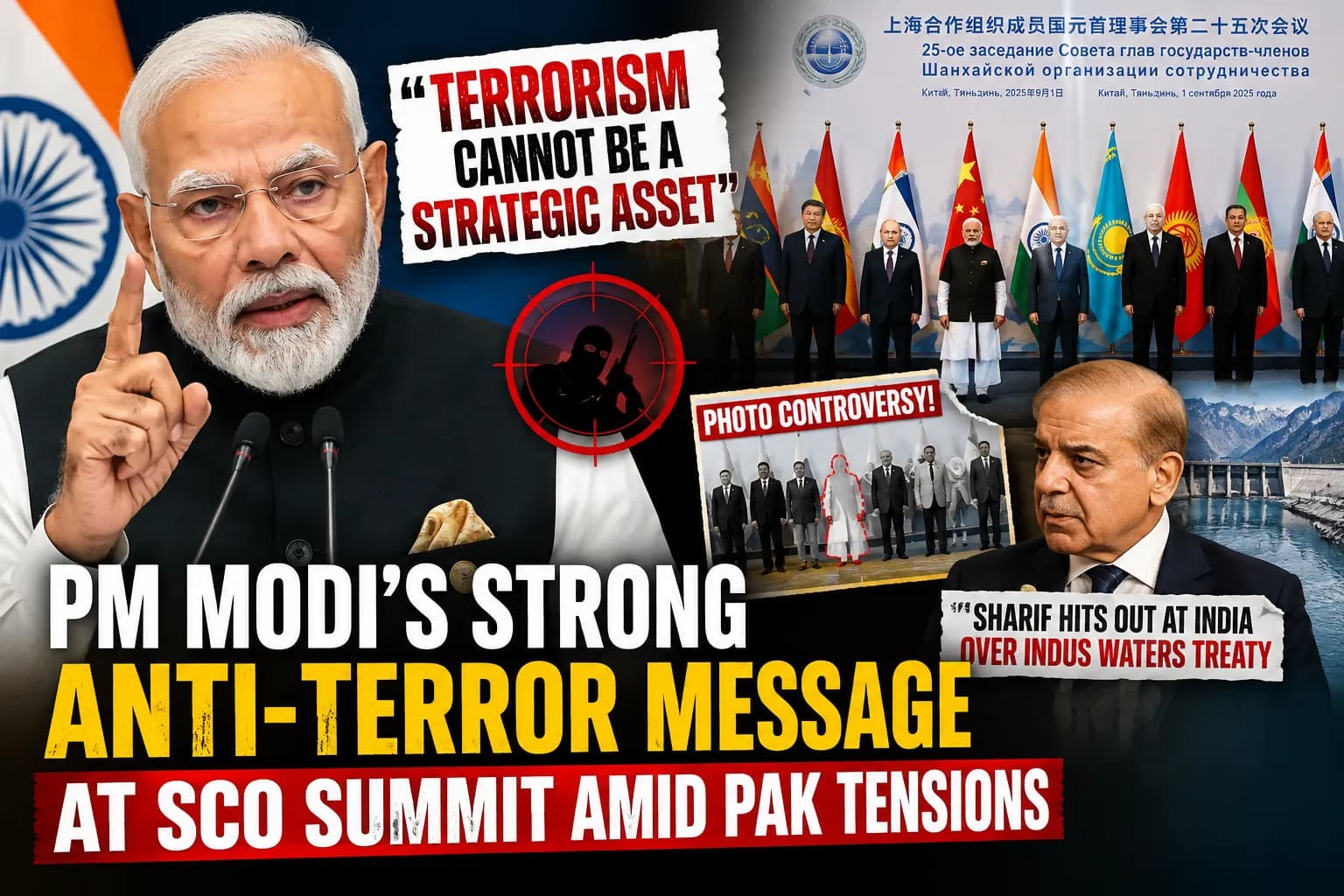
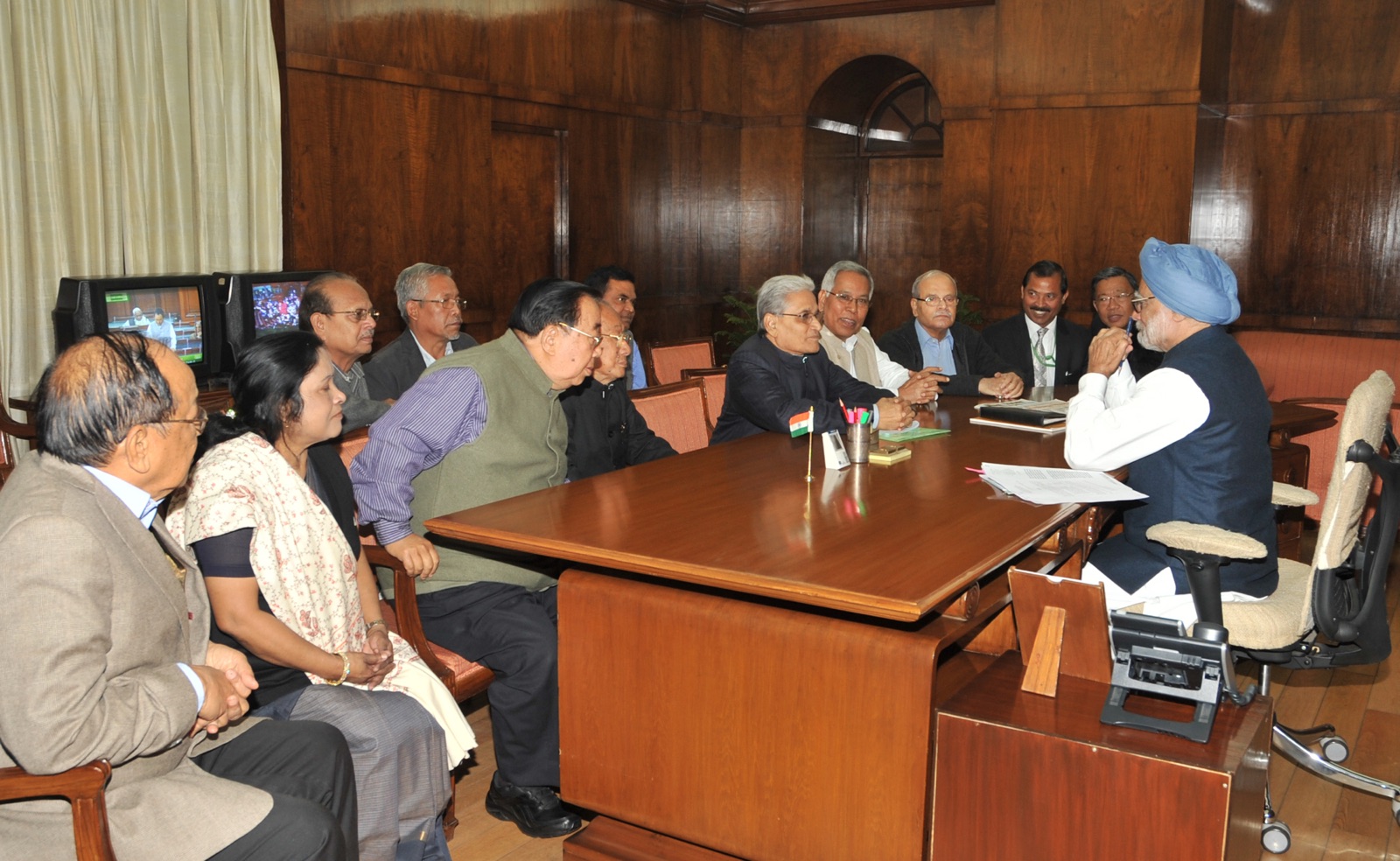
Narendra Damodardas Modi
Narendra Damodardas Modi currently serves as Prime Minister of India (since 2014); Member of Parliament, Lok Sabha, Varanasi (since 2014). Follow their statements, policy positions, and role in shaping national politics.
Profile
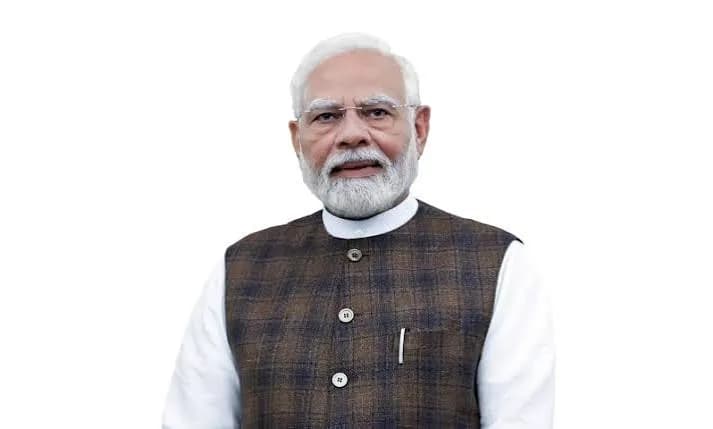
Narendra Damodardas Modi
Prime Minister of India (since 2014); Member of Parliament, Lok Sabha, Varanasi (since 2014)
Leader of the Opposition
leader of the opposition
Background & Career
Early Life, Ancestry, and Formative Influences
Narendra Damodardas Modi was born on 17 September 1950 into a modest family in Vadnagar, Mehsana district, located in Bombay State (present-day Gujarat). He was the third of six children born to Damodardas Mulchand Modi and Hiraba Modi. During his formative schooling years at the local primary and higher secondary schools in Vadnagar, he developed a deep inclination toward public speaking, theatrical debates, and community service while assisting his family in small-scale local trade.
During the late 1960s, upon completing his secondary schooling, he embarked on an extensive journey across various religious and socio-cultural centers across northern and north-eastern India. This period of travel profoundly shaped his worldview, instilling an ascetic discipline that eventually led him to formally dedicate his life to social work upon his return to Gujarat.
Rashtriya Swayamsevak Sangh (RSS) and Organizational Rise
Modi formally joined the Rashtriya Swayamsevak Sangh (RSS) as a dedicated full-time organizer (Pracharak) in the early 1970s, establishing his operational base at Hedgewar Bhavan in Ahmedabad. During the imposition of the nationwide Emergency (1975–1977), he operated within the underground resistance network, coordinating distribution channels for pro-democracy literature, facilitating legal resources for incarcerated political figures, and organizing clandestine logistics.
His organizational acumen, grassroots mobilization skills, and administrative discipline caught the attention of senior leadership. By the early 1980s, he was given central organizational charges in Gujarat, playing an instrumental role in expanding the reach of the organization across municipal districts and rural belts.
Transition to Active Politics and State General Secretary (1987–2001)
In 1987, Modi was formally deputed to the Bharatiya Janata Party (BJP) to serve as General Secretary of its Gujarat state unit. He brought modernized campaign logistics, booth-level worker networks, and data-driven electoral strategy to the state organization, which culminated in the party's breakthrough performance in the 1990 assembly elections and subsequently securing a clear legislative majority in 1995.
His success in Gujarat elevated him to the national stage. In 1995, he was appointed National Secretary of the BJP, overseeing key northern state party units such as Himachal Pradesh and Haryana. In 1998, he was elevated to the critical position of National General Secretary (Organisation) in New Delhi, playing an essential role in national election management and alliance coordination for the National Democratic Alliance (NDA) government led by Atal Bihari Vajpayee.
Tenure as Chief Minister of Gujarat (2001–2014)
In October 2001, Modi returned to Gujarat to assume office as the 14th Chief Minister of the state, taking charge in the aftermath of the devastating Bhuj earthquake. Over the next thirteen years, he won three consecutive assembly elections (2002, 2007, and 2012) from the Maninagar legislative constituency, setting an enduring administrative precedent.
His chief ministerial tenure was characterized by the "Gujarat Model" of governance, emphasizing bureaucratic accountability, large-scale industrialization, and physical infrastructure. Key initiatives included:
Vibrant Gujarat Global Investors Summit: A flagship biennial investor summit that positioned the state as a leading destination for domestic and foreign industrial capital.
Jyotigram Yojana: A comprehensive rural electrification initiative that separated agricultural power feeds from commercial and household lines to ensure 24/7 electricity across rural Gujarat.
Sujalam Sufalam & Narmada Water Grids: Expansive canal networks and micro-irrigation systems designed to alleviate chronic water scarcity in north Gujarat and Saurashtra.
Ascent to Prime Minister: First and Second Terms (2014–2024)
In September 2013, the BJP announced Narendra Modi as its prime ministerial candidate for the 2014 Lok Sabha elections. Leading an energetic nationwide campaign centered on economic development, transparent administration, and national pride, he guided the BJP to secure 282 seats—the first single-party majority in the Lok Sabha in three decades. He took the oath of office as Prime Minister on 26 May 2014, representing the holy parliamentary constituency of Varanasi, Uttar Pradesh.
During his initial decade as Prime Minister, his administration executed fundamental structural reforms and welfare initiatives:
Financial Inclusion & Welfare Delivery: The Pradhan Mantri Jan Dhan Yojana brought over 500 million unbanked citizens into formal banking, creating the JAM (Jan Dhan-Aadhaar-Mobile) trinity for direct benefit transfers, eliminating leakages.
Economic Modernization: Implementation of the Goods and Services Tax (GST) in 2017 to unify the national indirect taxation framework, along with the Insolvency and Bankruptcy Code (IBC).
Sanitation and Healthcare: Swachh Bharat Abhiyan built over 100 million household toilets, while Ayushman Bharat provided cashless tertiary health insurance coverage to over 500 million economically vulnerable citizens.
Infrastructure Transformation: Massive acceleration under PM Gati Shakti, Bharat Mala (national highways), Sagar Mala (ports), and the modernization of Indian Railways through the Vande Bharat network.
In the May 2019 general elections, Modi led the NDA to an even larger mandate, with the BJP securing 303 seats. This second term witnessed milestone legislative decisions, including the abrogation of Article 370 in Jammu & Kashmir and the construction of the Ram Mandir in Ayodhya following the landmark Supreme Court verdict.
Third Term Governance and Contemporary Global Impact (2024–Present)
In June 2024, Narendra Modi achieved a historic milestone by securing a third consecutive mandate as Prime Minister, joining Jawaharlal Nehru as only the second leader in independent India's history to lead three consecutive administrations. Sworn in on 9 June 2024, he continues to steer the central government with major ministerial portfolios under his direct supervision, including the Department of Atomic Energy, the Department of Space, and strategic national policy councils.
On the world stage, his foreign policy doctrine has consolidated India’s position as a decisive "Vishwa Bandhu" (global partner). Through active engagements in the Quad, the successful G20 New Delhi Leaders' Summit, the inclusion of the African Union into the G20, and the championing of the Global South, Modi's leadership continues to define 21st-century multilateral diplomacy while steering the domestic vision of Viksit Bharat 2047.
Personal & Education
- Bachelor of Arts (Political Science), School of Open Learning, University of Delhi (1978)
- Master of Arts (Political Science), Gujarat University (1983)
Career Timeline
- 1972 – 1987
Pracharak
Rashtriya Swayamsevak Sangh (RSS)
- 1987 – 1995
General Secretary, Gujarat Unit
Bharatiya Janata Party (BJP)
- 1995 – 1998
National Secretary
Bharatiya Janata Party (BJP)
- 1998 – 2001
General Secretary (Organisation)
Bharatiya Janata Party (BJP)
- 2001 – 2014
Chief Minister of Gujarat
Bharatiya Janata Party (BJP)
- 2014 – Present
Prime Minister of India
Bharatiya Janata Party (BJP)