Lok Sabha
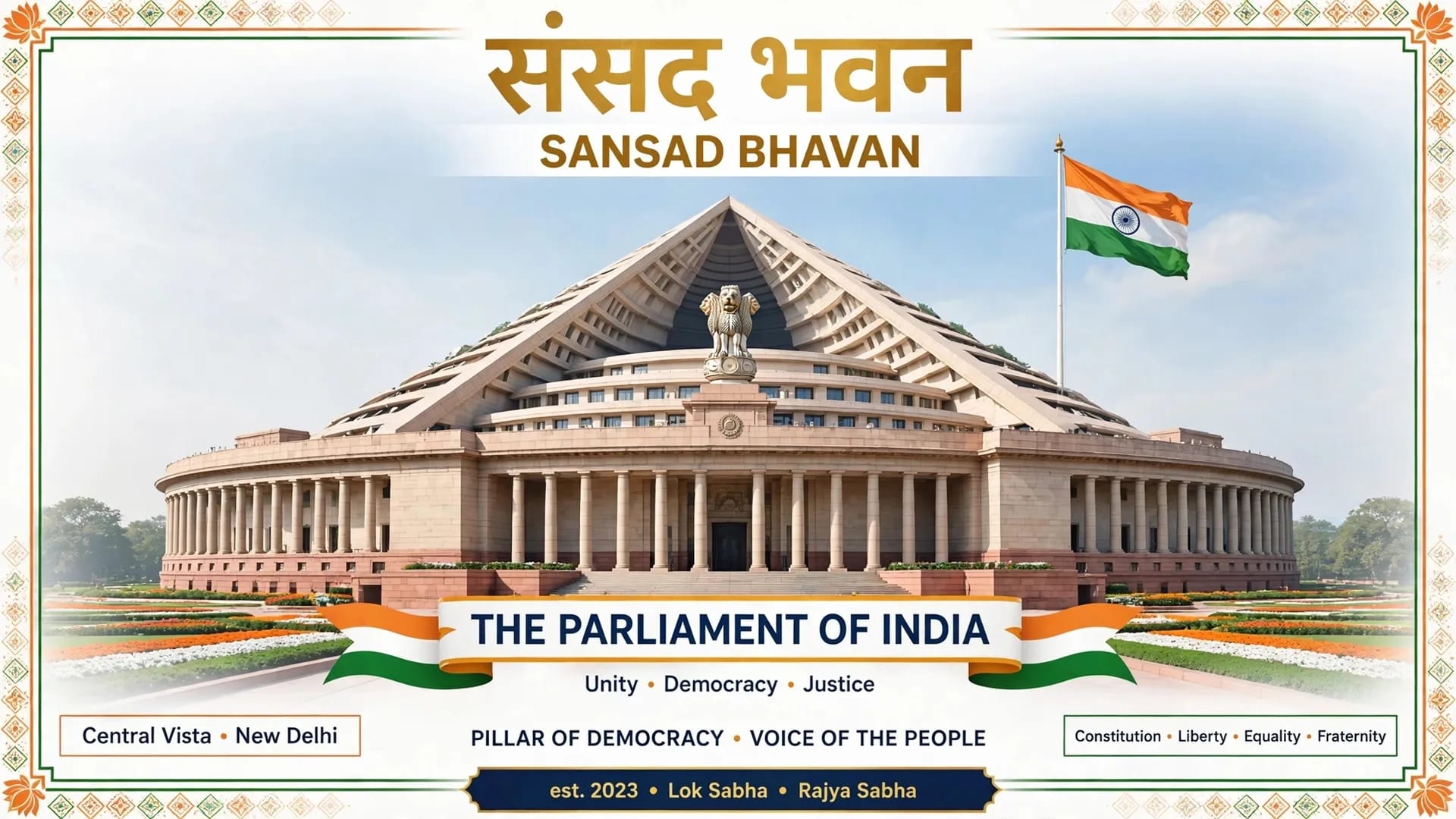
The Lok Sabha (House of the People) is one of the two houses of the Indian Parliament, currently comprising 543 seats. Track its leadership, party composition, and the latest legislative developments.
Current vs. Opposition
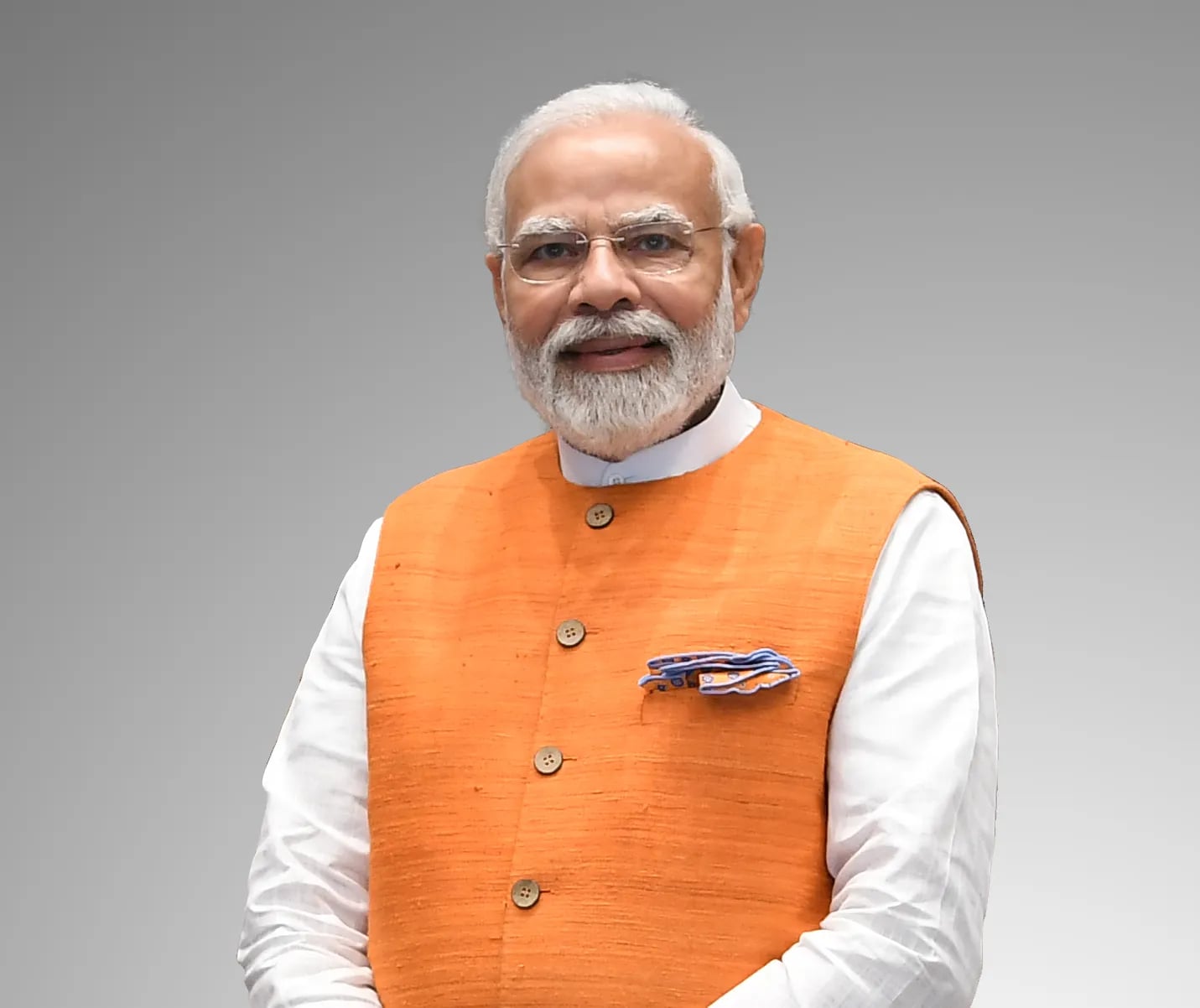
Narendra Modi
Prime Minister & Leader of the House
View profile Leader of Opposition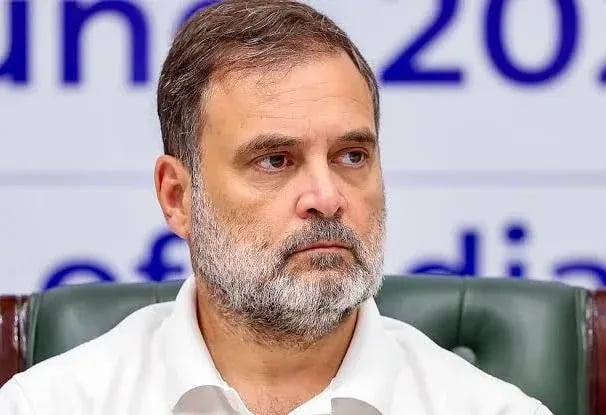
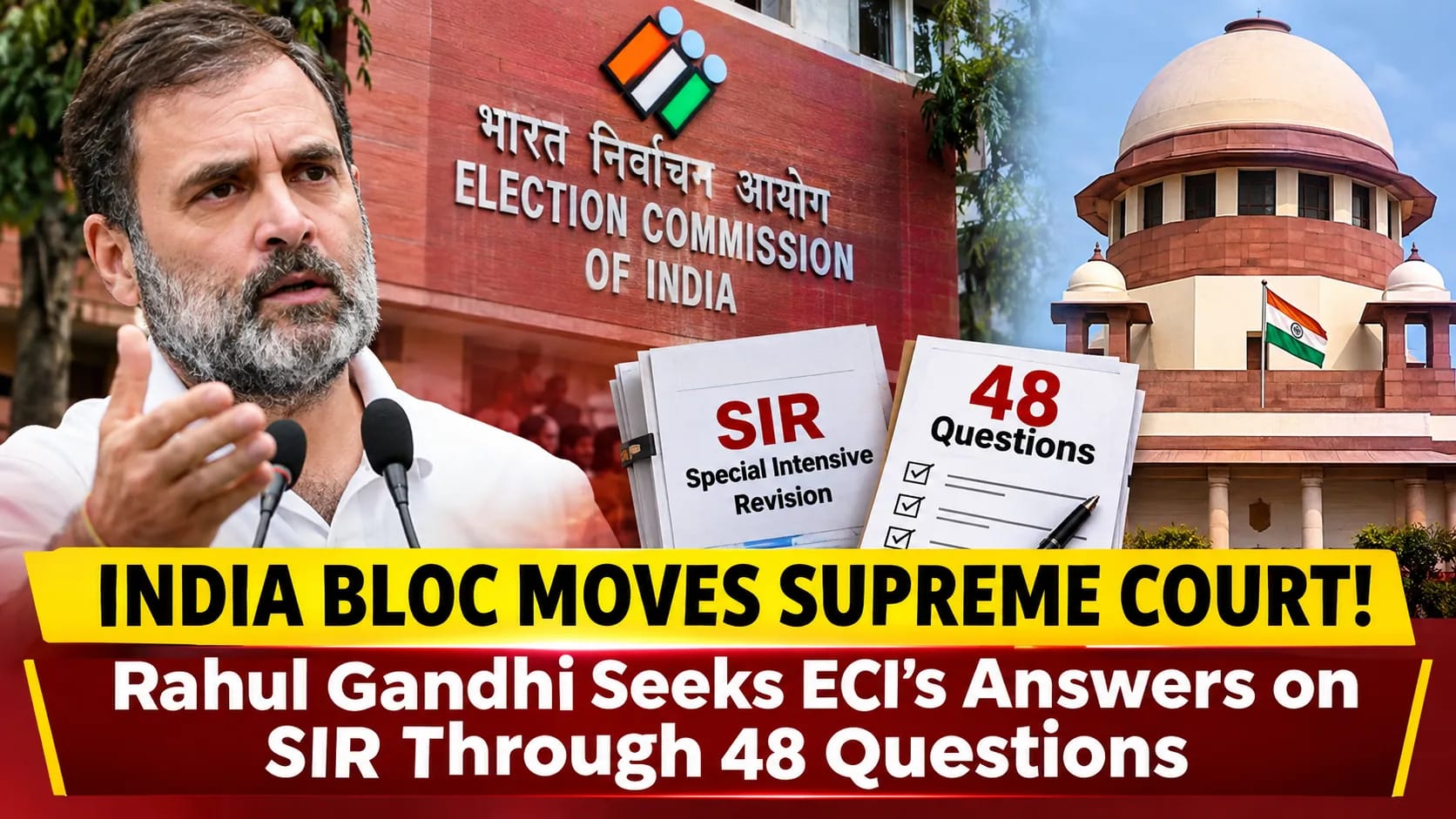
Rahul Gandhi
Leader of Opposition, Lok Sabha
View profileAbout the House
The Lok Sabha is the directly elected lower house of India's Parliament, with members representing single-member territorial constituencies apportioned across all states and union territories. Its first sitting was held in 1952, and it has since been the primary arena for the formation and survival of the Union government.
The government is formed by whichever party or coalition commands a majority in the House, making the Lok Sabha the decisive chamber for confidence votes, the Union Budget's Money Bills, and most major legislation.
State-wise and Union Territory Seats
Constitutional seat allocation for the Lok Sabha.
States
524 seats| State / Territory | Seats |
|---|---|
| Andhra Pradesh | 25 |
| Arunachal Pradesh | 2 |
| Assam | 14 |
| Bihar | 40 |
| Chhattisgarh | 11 |
| Goa | 2 |
| Gujarat | 26 |
| Haryana | 10 |
| Himachal Pradesh | 4 |
| Jharkhand | 14 |
| Karnataka | 28 |
| Kerala | 20 |
| Madhya Pradesh | 29 |
| Maharashtra |
Powers, Privileges and Immunities
Parliamentary privileges protect the independence of each House and allow its members and committees to perform their legislative duties without improper obstruction. They operate within the Constitution, parliamentary rules and applicable law.
Freedom of speech in Parliament
Article 105 protects freedom of speech in Parliament, subject to the Constitution and the rules and standing orders of the House.
Immunity for speeches and votes
A member cannot be made liable in court for anything said or any vote given in the House or one of its committees.
Protection for authorised publications
Court proceedings do not lie for publishing reports, papers, votes or proceedings under the authority of either House.
Protection of parliamentary proceedings
Each House can protect its proceedings and deal with a breach of privilege or contempt through its established parliamentary procedure.