
CJP Announces Further Protests Over Electoral Issues as Dispute With Election Commission Continues
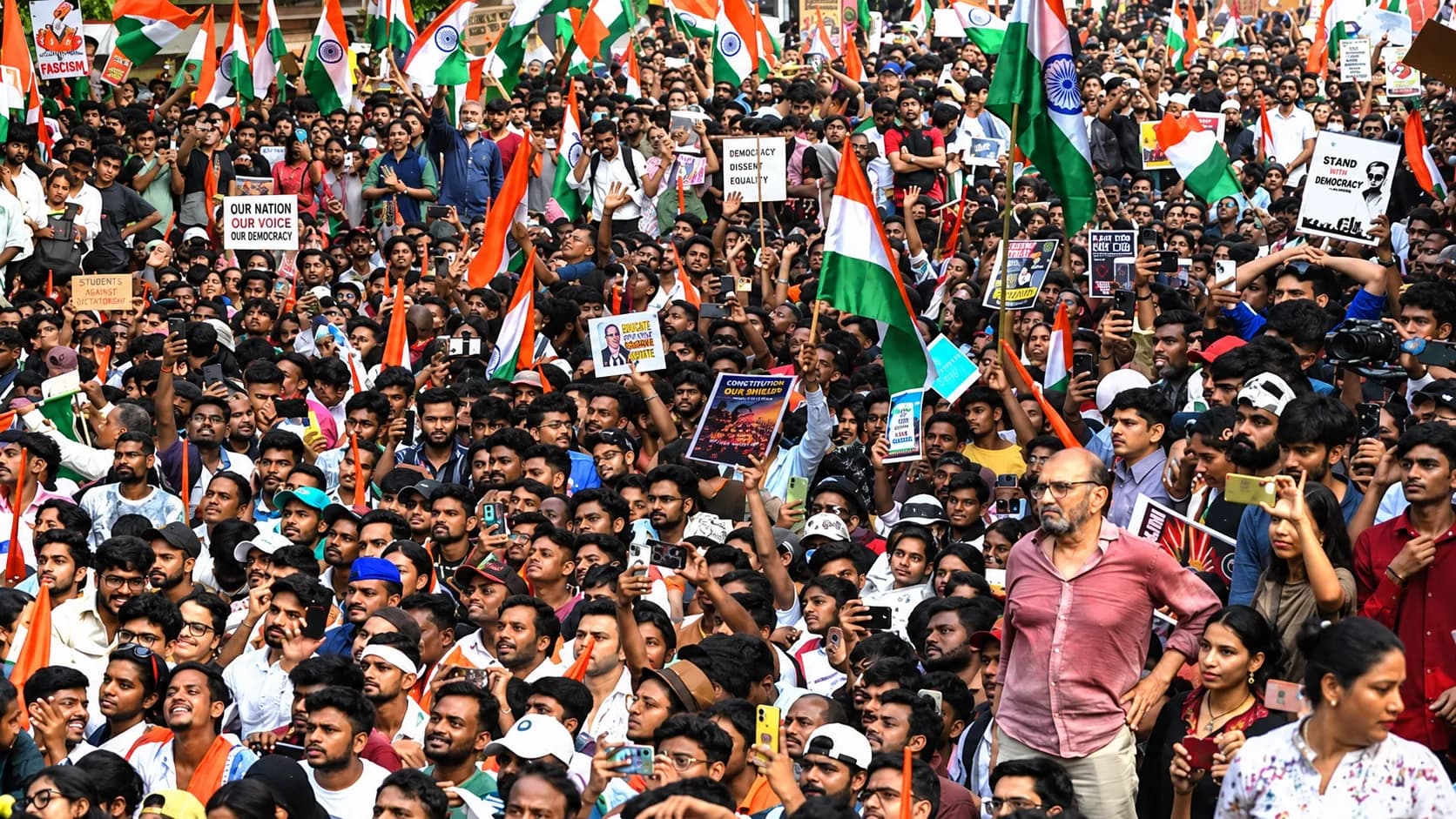
CJP Signals Further Political Mobilisation
The Cockroach Janta Party (CJP) has announced plans for further protests following demonstrations over electoral roll revisions and demands for action against Chief Election Commissioner Gyanesh Kumar. According to reports, a CJP spokesperson confirmed that detailed schedules, including protest dates and strategic locations, would be formally made public in the coming days.
The announcement indicates that the dispute over voter registration procedures and the Election Commission of India's administrative determinations remains active. The planned demonstrations come shortly after several opposition factions approached the Supreme Court seeking urgent legal intervention over the broader controversy, signalling that the issue is being contested both on the streets and inside courtrooms.
Background to the Protests and Revision Process
The recent wave of demonstrations has centered on procedural concerns regarding the Special Intensive Revision of electoral rolls. Opposition leaders, grassroots organisers, and civil society observers have raised questions regarding the mass deletion of voter entries and the lack of accessible administrative transparency during booth-level verifications. Consequently, the operational mandate and statutory role of the Election Commission have emerged as primary points of debate.
The CJP has actively participated in recent protests, explicitly demanding accountability and decisive administrative action concerning the Chief Election Commissioner. While party representatives maintain that widespread exclusions undermine democratic participation, the organisation's stated claims require verification through statutory records, published draft registers, and established appellate mechanisms under electoral law.
Wider Opposition Mobilisation and Legal Scrutiny
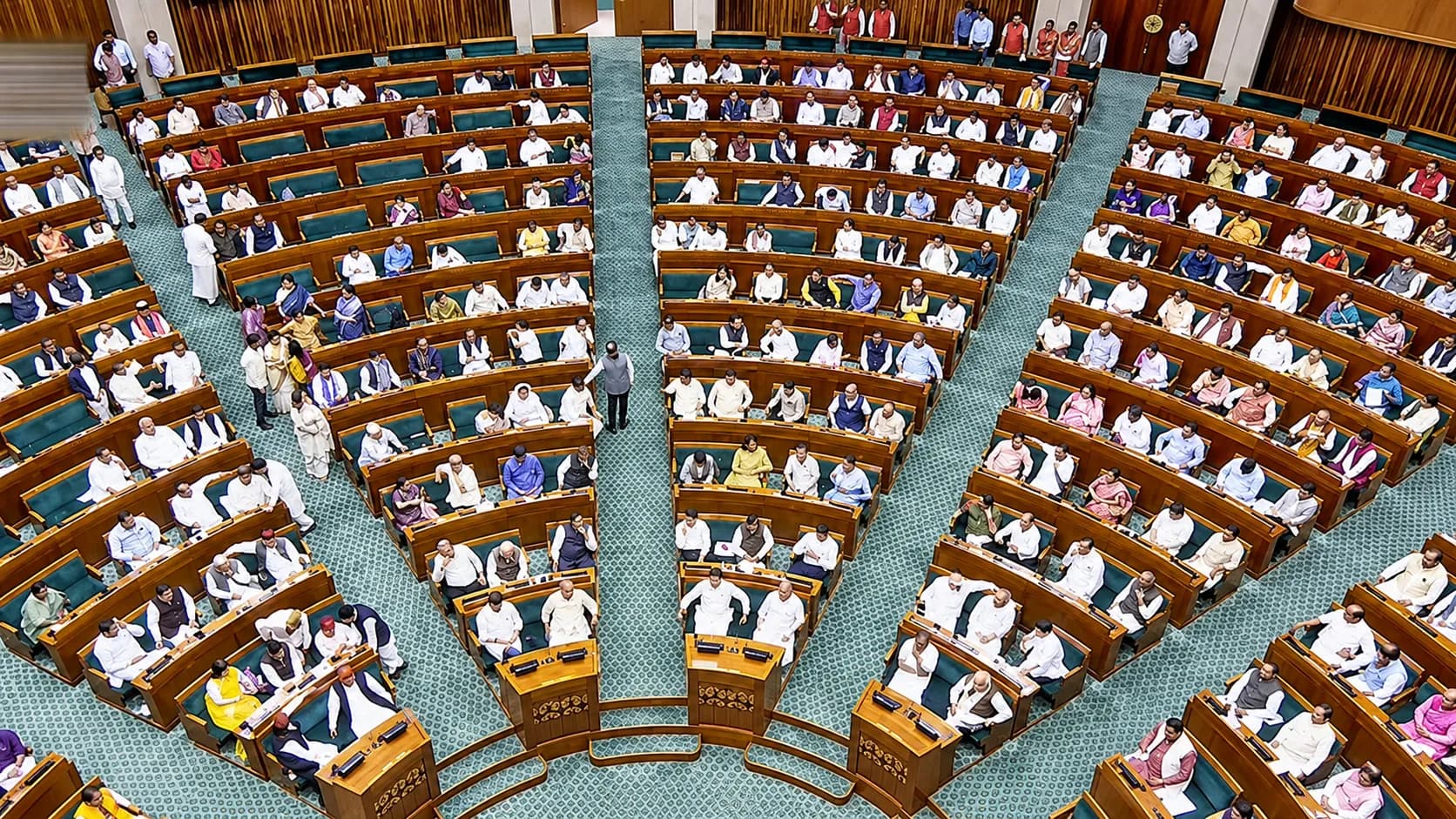
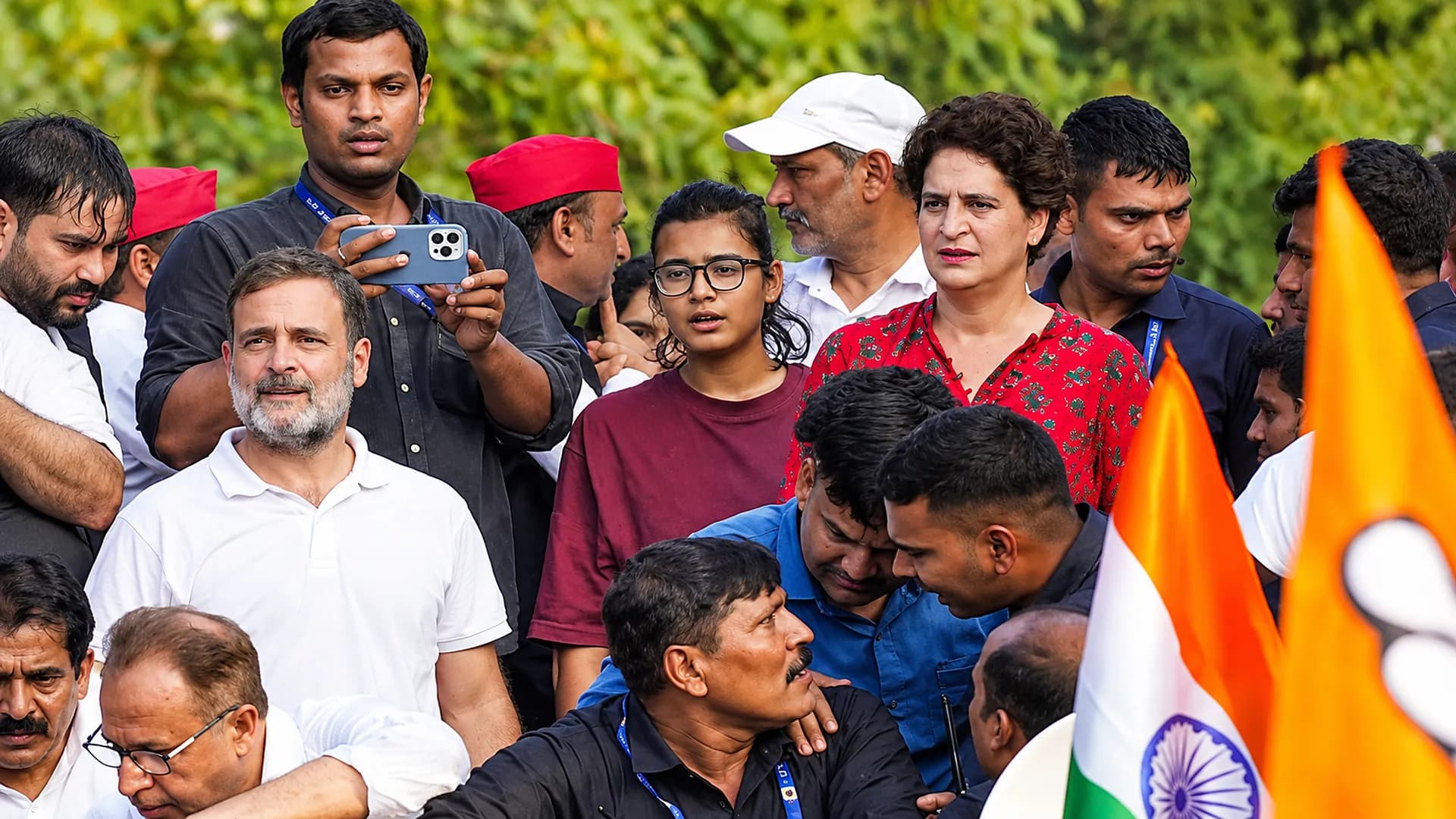
The dispute has expanded beyond the singular ambit of the CJP. On October 12, multiple prominent opposition parties organised a coordinated march towards the Supreme Court, pursuing expedited litigation regarding the statutory safeguards governing roll updates.
This multi-party involvement shows how administrative procedures can evolve into national political controversies when stakeholders raise transparency concerns. Litigants before the apex court have argued that procedural errors disproportionately impact vulnerable segments of the electorate, including migrant workers and marginalized communities. However, cross-party participation in demonstrations does not imply that every group shares identical long-term objectives or strategies.
Constitutional Assembly and Regulatory Oversight
Public demonstration serves as a recognized mechanism for political parties and advocacy groups to highlight grievances and seek wider awareness. The freedom of expression and the right to assemble peacefully remain central components of civic participation.
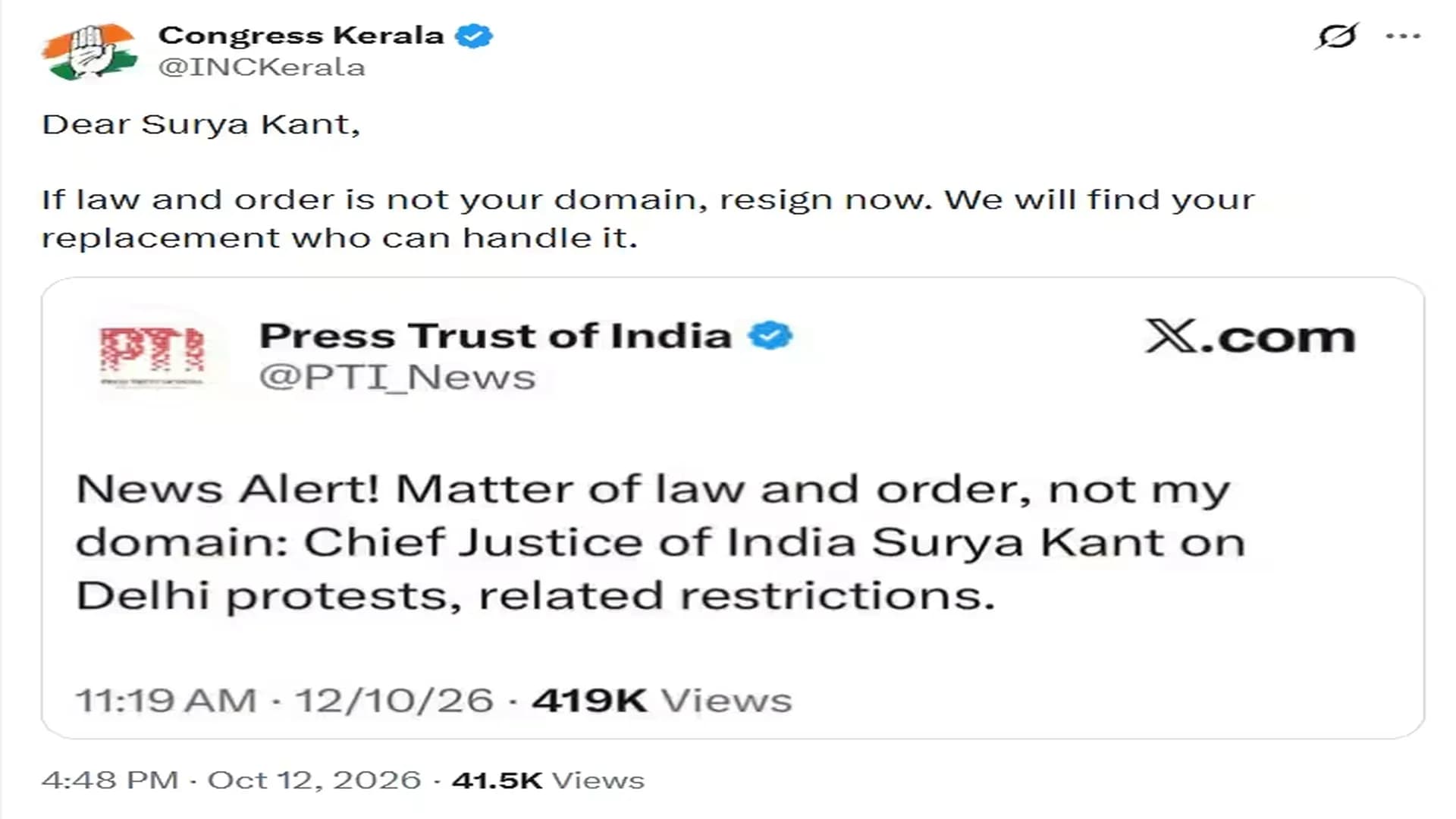
At the same time, public gatherings operate within defined legal frameworks, subject to regulatory restrictions regarding public order, traffic management, and civic safety. The handling of these gatherings by administrative and police authorities—specifically regarding assembly permissions and venue restrictions—has itself become a matter of dispute. Organisers contend that bureaucratic delays and venue limits restrict public assembly, while authorities state that preventative regulations are necessary for maintaining order.
Institutional Safeguards and Electoral Records
The Election Commission functions as a constitutional authority responsible for conducting elections and maintaining voter registers. The process of revising rolls—intended to remove deceased individuals, duplicate entries, and shifted residents—requires strict adherence to due process.
When political entities allege arbitrary omissions, disputes over institutional procedure follow. Observers note that administrative transparency—including publishing disaggregated deletion lists, offering clear claims and objections windows, and maintaining continuous dialogue with accredited political parties—remains key to procedural clarity and institutional credibility.
Next Steps in the Movement
The immediate development to watch is the CJP's forthcoming announcement regarding protest dates, venues, and regional coordination. The broader trajectory will depend on several key factors:
Court Directives: Observations or orders issued by the Supreme Court regarding petitions on electoral roll revisions.
Election Commission Response: Formal clarifications, procedural guidelines, or notifications issued by election authorities.
Political Coordination: The extent of cross-party coordination and grassroots turnout during the upcoming protests.
Administrative Permissions: Approvals and regulatory conditions set by local law enforcement regarding protest venues.

Join the discussion
Comments (0)