Supreme Court Agrees to Urgently Hear Punjab Government’s Plea Against CBI Probe Linked to CM Bhagwant Mann’s Office
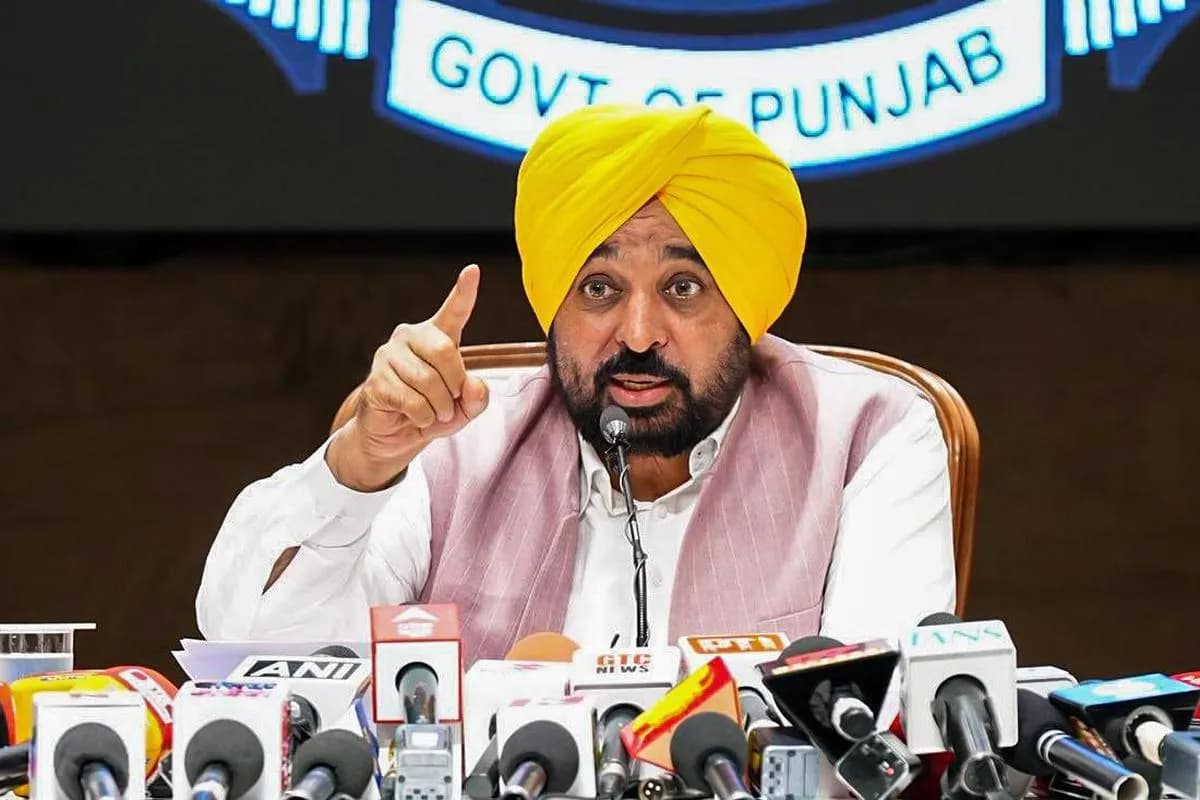
The Supreme Court on October 6, 2026, agreed to urgently hear a plea filed by the Punjab government challenging a High Court order directing the Central Bureau of Investigation (CBI) to register a case and investigate alleged corruption linked to the office of Punjab Chief Minister Bhagwant Mann.
The development has brought renewed attention to the political and legal implications of corruption allegations involving officials and individuals associated with the Aam Aadmi Party (AAP)-led Punjab government.
Punjab Government Raises Federalism Concerns
Appearing before Chief Justice of India Surya Kant, senior advocates Vikas Singh and Shadan Farasat, representing the Punjab government, argued that the High Court's order violated fundamental principles of federalism.
The state's legal representatives also highlighted the political context, arguing that Punjab was approaching an election period and that a central investigative agency had been directed to investigate allegations involving the state government's administration.
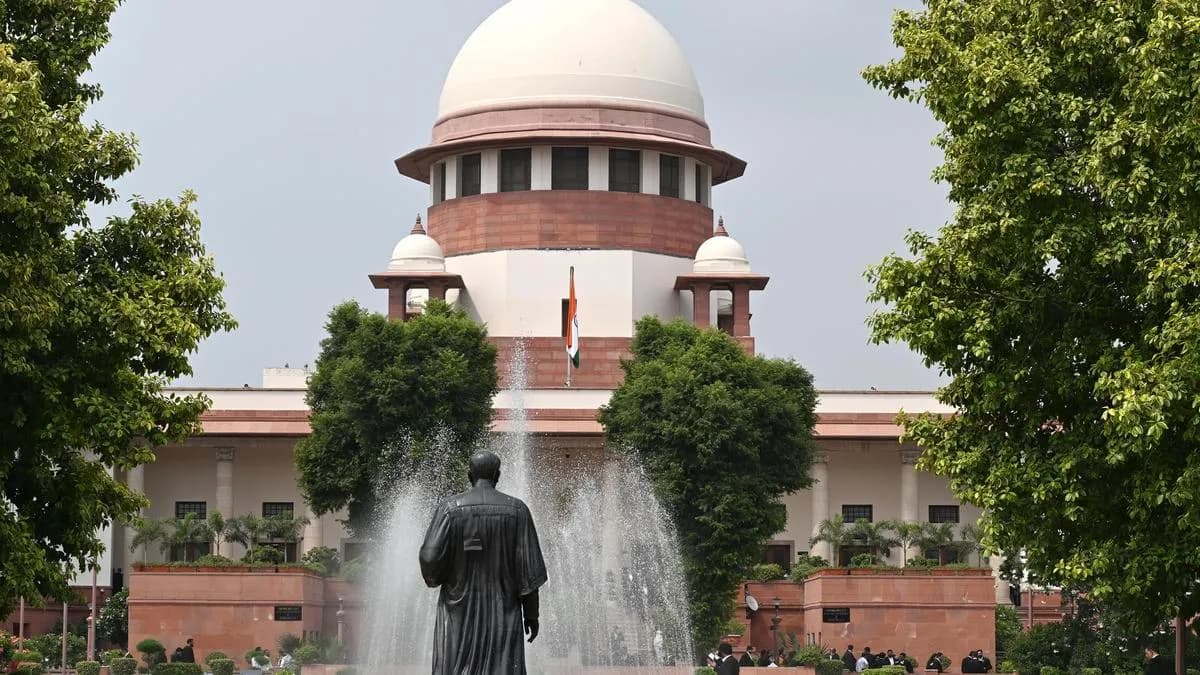
The Supreme Court's decision to hear the plea urgently provides an opportunity for the Punjab government to challenge the direction for a CBI investigation. The final outcome will depend on the court's consideration of the legal arguments and relevant facts.
What Are the Allegations?
According to the report, allegations raised by the Enforcement Directorate (ED) against public servants and private individuals linked to the AAP government include alleged corruption in transfers and postings, policy manipulation, cash-for-tender arrangements and other serious irregularities.
These allegations raise questions about administrative transparency, the handling of government decisions and the accountability of public officials. However, the allegations should not be treated as proven wrongdoing unless established through the appropriate legal process.
Political Implications for the AAP Government
The case could become a significant political issue for the AAP government in Punjab, particularly as the state approaches its next Assembly election. The controversy places the relationship between state governments and central investigative agencies under renewed scrutiny.
For the AAP leadership, the proceedings may carry implications for its public image and its claims regarding governance and anti-corruption measures. Opposition parties may also use the developments to question the state government's administration.
At the same time, the Punjab government's challenge raises broader constitutional questions about federalism, the jurisdiction of investigative agencies and the legal safeguards governing investigations involving state administrations.
What Happens Next?
The immediate focus is on the Supreme Court's hearing of the Punjab government's plea against the High Court's direction. The court's consideration will determine the next stage of the legal challenge.
Until further judicial findings are available, the allegations remain allegations, and the legal proceedings must be distinguished from political claims made by the parties involved.
The case is therefore important not only for the Punjab government and the CBI investigation but also for the wider debate over accountability, constitutional federalism and the role of central agencies in India's federal structure.


Join the discussion
Comments (0)