Akhilesh Yadav Challenges Yogi Adityanath to Contest 2027 Uttar Pradesh Elections from Ayodhya
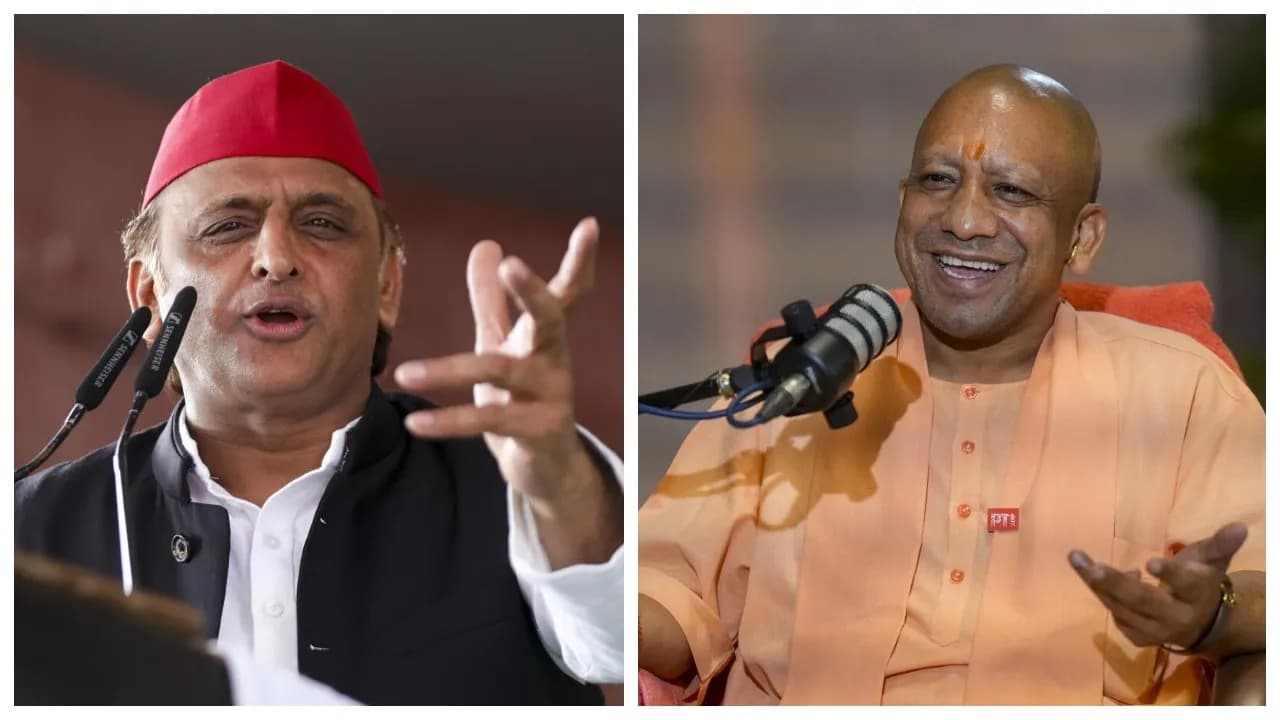
Samajwadi Party (SP) president Akhilesh Yadav has challenged Uttar Pradesh Chief Minister Yogi Adityanath to contest the upcoming 2027 Assembly elections from Ayodhya, adding a new dimension to the political contest between the Bharatiya Janata Party (BJP) and the Samajwadi Party ahead of the state elections.
Yadav issued the challenge on October 8, 2026, while addressing a gathering during a Shrimad Bhagwat Katha programme in Ayodhya. He questioned the BJP's position in the constituency and suggested that Adityanath should contest from the temple town if he was confident about his political support.
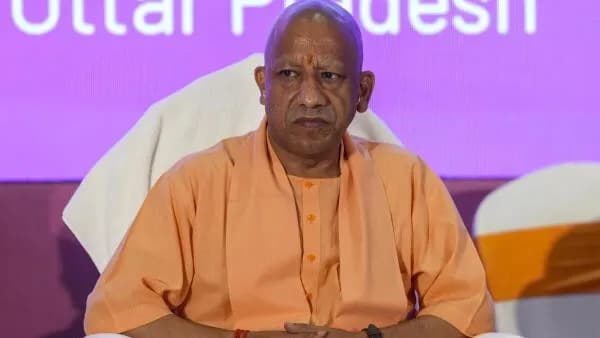
Adityanath currently represents the Gorakhpur Urban Assembly constituency. Yadav's remarks come as political parties begin preparing for the next Uttar Pradesh Assembly election, expected in 2027.
Akhilesh Yadav's Challenge to Yogi Adityanath
Addressing the gathering, Yadav said that Adityanath should contest from Ayodhya if he was confident in the claims made by the BJP leadership.
The SP chief also claimed that the BJP had been conducting repeated surveys after the Samajwadi Party announced its candidate for the Ayodhya Assembly constituency. These remarks reflected the SP's attempt to draw attention to the constituency ahead of the election campaign.
The challenge is politically significant because Ayodhya has become a prominent focus of Uttar Pradesh politics, particularly following the construction and inauguration of the Ram temple. The BJP has frequently highlighted the temple and related development projects, while opposition parties have raised questions about governance, social equality and the distribution of development benefits.
Yadav's statement does not establish that Adityanath will contest from Ayodhya. His constituency choice for the next Assembly election remains a separate political decision.
Samajwadi Party Announces Its Ayodhya Candidate
The Samajwadi Party has announced Tej Narayan Pandey, popularly known as Pawan Pandey, as its candidate for the Ayodhya Assembly constituency.
Pawan Pandey previously represented the constituency in the Uttar Pradesh Assembly after winning the seat in 2012. His selection gives the SP an early candidate announcement around which it can organise its local campaign.
Yadav used the occasion to question the BJP's political position in Ayodhya and to highlight the Samajwadi Party's approach to the constituency. The BJP's eventual candidate selection and the campaign strategies of other parties will become clearer as the election approaches.
Akhilesh Yadav Announces Plans to Visit the Ram Temple
During the gathering, Yadav also said that he would visit the Ram temple in Ayodhya with fellow party leaders. He indicated that the visit would be arranged after the completion of the Kedareshwar Dham temple in Etawah.
The announcement comes amid continuing political attention on Ayodhya's religious and cultural significance. The Ram temple has remained an important subject in the BJP's political messaging, while the Samajwadi Party has sought to present its own approach to religious respect, social equality and development.
Yadav also referred to the teachings associated with the friendship between Lord Krishna and Sudama. He connected the message of equality and social inclusion with the Samajwadi Party's PDA formulation, which refers to Pichhde, Dalit and Alpsankhyak communities — backward classes, Dalits and minorities.
Samajwadi Party Promises Financial Assistance for Women
Yadav announced that a Samajwadi Party government would provide women with ₹40,000 annually if the party returned to power in Uttar Pradesh.
The announcement adds a financial-assistance promise to the party's early messaging ahead of the Assembly elections. Details about eligibility, implementation and the proposed funding arrangements would need to be established through a formal policy announcement.
Yadav also said that an SP government would avoid discrimination and prevent people's houses and shops from being demolished. These statements formed part of his broader pitch on social equality and protection of residents.
The promises are political commitments made by the party and should be distinguished from policies that have been formally implemented.
SP's Development Vision for Ayodhya
Yadav said that a future Samajwadi Party government would work to strengthen Ayodhya's international identity and accelerate its development. He described the city primarily as a pilgrimage centre rather than merely a tourist destination.
His remarks highlighted the question of how Ayodhya's religious significance, infrastructure development and local economic interests should be balanced.
Ayodhya has attracted national attention following the Ram temple's construction, alongside infrastructure projects and efforts to expand tourism. The debate over the city's future includes questions about employment, local businesses, transport, public services and the interests of residents.
The SP's development pitch seeks to place local welfare and religious heritage within its broader political agenda.
Ayodhya and the 2027 Uttar Pradesh Assembly Election
The next Uttar Pradesh Assembly election is expected in 2027, and Ayodhya is likely to remain an important constituency in the political debate. The BJP and Samajwadi Party have competing approaches to religious identity, governance, social representation and development.
The SP's announcement of Pawan Pandey as its candidate and Yadav's direct challenge to Adityanath have brought the constituency into early election discussions. However, the challenge itself does not confirm the chief minister's candidacy or determine the eventual electoral outcome.
As the election approaches, candidate announcements, party manifestos, alliances and campaign issues will provide a clearer picture of the competing political strategies.
For now, Yadav's remarks signal the Samajwadi Party's intention to make Ayodhya a prominent part of its campaign narrative, while the BJP's response and its eventual candidate selection remain important developments to watch.
Join the discussion
Comments (0)