
Delhi Protest Restrictions and Proposed CJP March Bring Right to Assembly Into Focus
Delhi Protest Restrictions and Proposed CJP March Bring Right to Assembly Into Focus
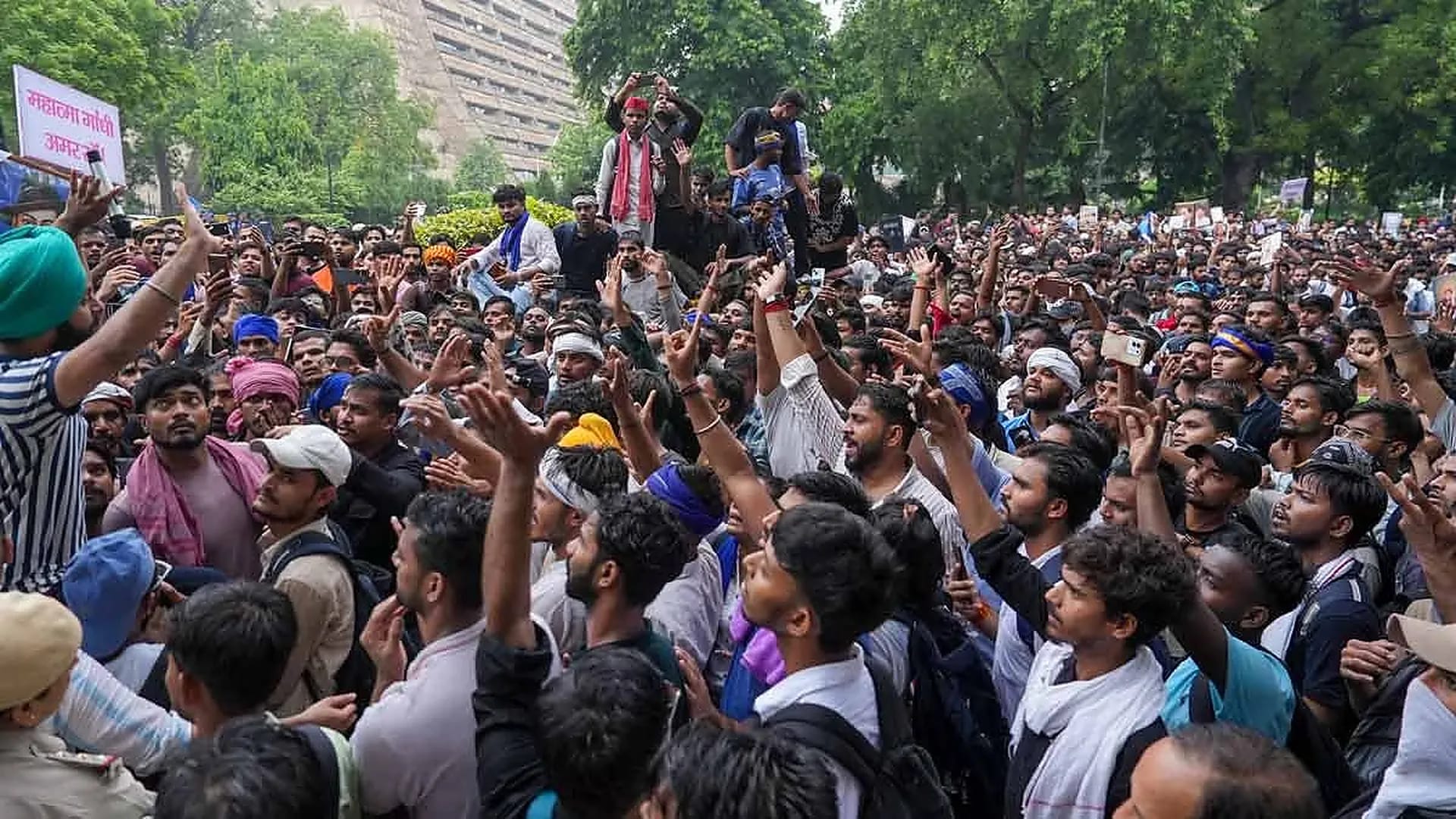
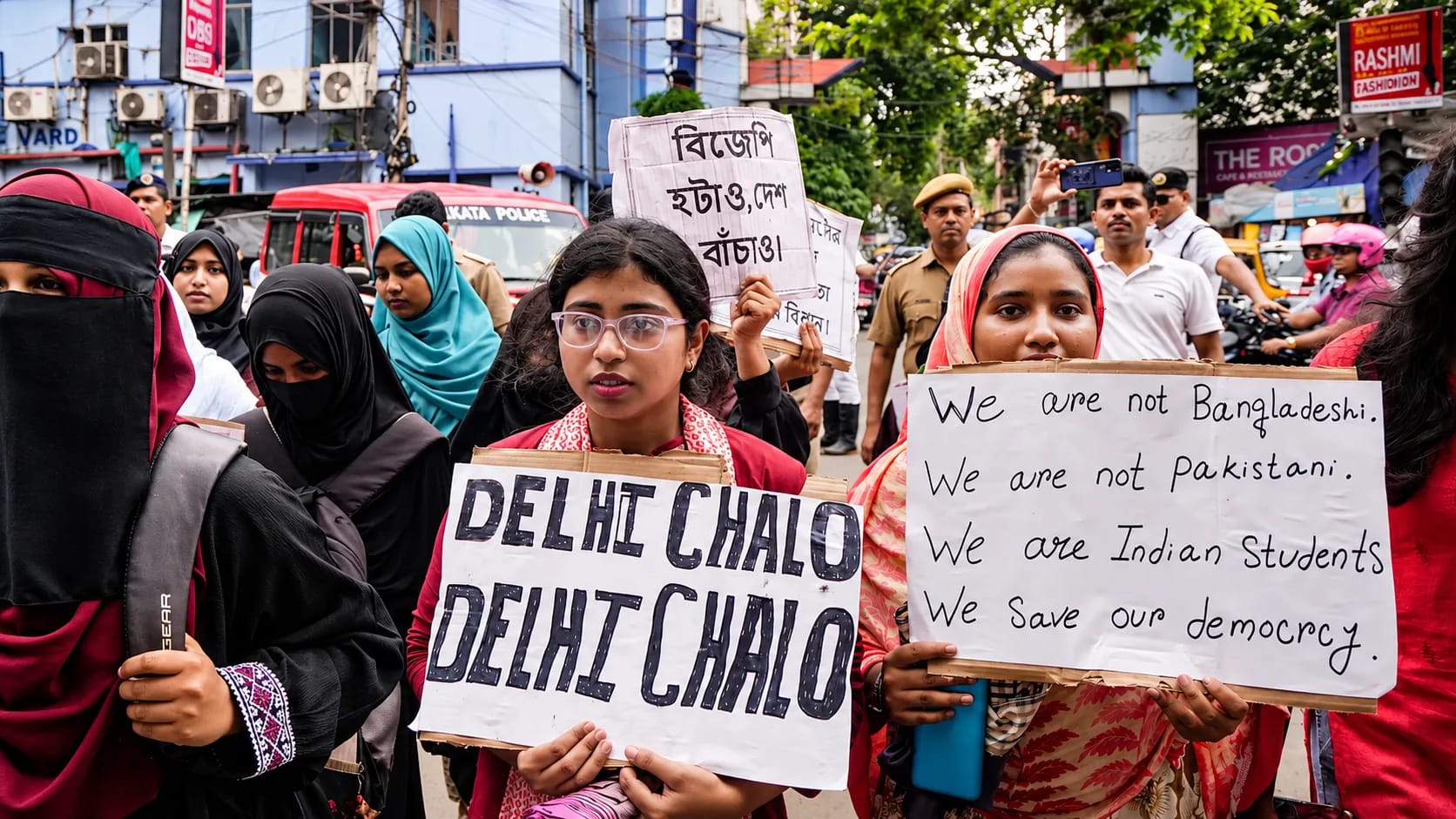
A proposed march by the Cockroach Janta Party (CJP) in New Delhi has brought the regulation of political demonstrations back into public discussion, with authorities citing public-order concerns and organisers challenging restrictions surrounding their planned gathering.
According to live report published on 16 October 2026, the CJP had called for a march at Central Park in Connaught Place at 5 pm, demanding the removal of Chief Election Commissioner Gyanesh Kumar. Delhi Police had warned of restrictions in the surrounding area, while the New Delhi Municipal Council announced that Central Park would remain closed on 16 and 17 October for administrative reasons.
The development intersects with the wider dispute over electoral roll revision and demands for accountability from the Election Commission.
It also raises a broader question for democratic institutions: how can authorities manage public safety while preserving opportunities for peaceful political expression?
Why the March Was Announced
The proposed gathering comes amid a dispute over the Election Commission's Special Intensive Revision of electoral rolls.
CJP leaders have criticised the process and demanded the removal of the Chief Election Commissioner. Their campaign has been linked to allegations of irregularities in voter registration and concerns about the treatment of protesters.
The controversy has attracted attention because it combines institutional criticism, political mobilisation and demands for accountability.
The march also illustrates how political movements outside India's established national party structures can attempt to use demonstrations and social media to bring specific grievances into public debate.
Police Restrictions and Public Safety
The Delhi Police had urged people to avoid the proposed gathering area and had indicated that demonstrations could be held at alternative locations, subject to permission.
The report also described increased security measures around Connaught Place, including the deployment of personnel and the possibility of regulating pedestrian and vehicular movement.
However, public-order management also requires clear communication. Organisers and participants need to understand the applicable restrictions, the legal basis for those restrictions and the locations where demonstrations may lawfully take place.
The Right to Peaceful Assembly
The Indian Constitution protects the right to assemble peacefully and without arms under Article 19(1)(b), subject to the reasonable restrictions permitted by Article 19(3).
This means the right to protest is constitutionally protected, but it is not unlimited.
Authorities can regulate demonstrations for legitimate public-order reasons within the framework of the law. At the same time, restrictions must be assessed against the applicable constitutional safeguards.
The distinction matters because two principles operate together: public authorities must maintain safety, and citizens must retain meaningful opportunities to express political disagreement.
The legal question in any specific dispute depends on the actual order, its scope, the circumstances surrounding the gathering and the remedies available to affected parties.
Jantar Mantar and the Dispute Over Protest Locations
The dispute also follows developments involving Jantar Mantar, a prominent location for demonstrations in the national capital.
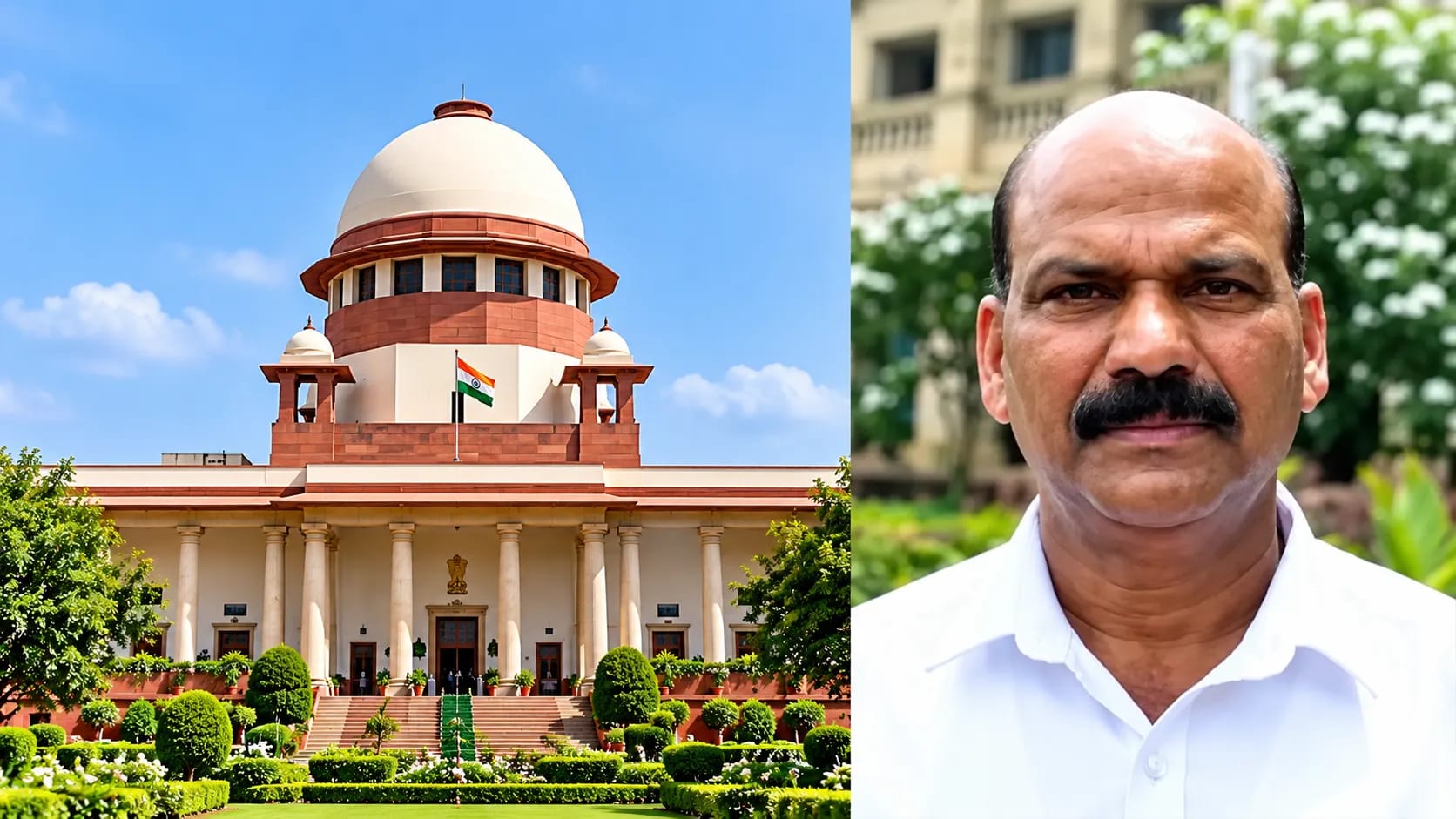
The CJP controversy included arrests connected with a protest at Jantar Mantar and the subsequent debate over alternative locations for demonstrations. The same report described judicial attention to the status of the protest site and the handling of related restrictions.
Designated protest locations can help authorities organise public gatherings while limiting disruption to nearby residents, businesses and commuters.
However, the availability and accessibility of these locations can become contentious when organisers believe that the alternatives offered do not adequately accommodate their demonstrations.
The Electoral Dimension
The CJP's demands are connected to the wider political controversy surrounding electoral roll revision.
Opposition parties and campaigners have raised concerns about voter deletions and the transparency of registration procedures. The Election Commission's responsibilities include maintaining electoral rolls and administering elections under the applicable constitutional and legal framework.
The allegations surrounding the revision process require independent examination. Protest activity alone does not establish that electoral manipulation occurred, just as official assurances alone do not replace the need for transparent procedures.
For the public, the most useful information includes the applicable registration rules, the number and categories of entries affected, the process for correcting errors and any findings made by competent authorities or courts.

Join the discussion
Comments (0)