
Supreme Court Seeks Election Commission's Response to Opposition Petition on Electoral Roll Revision
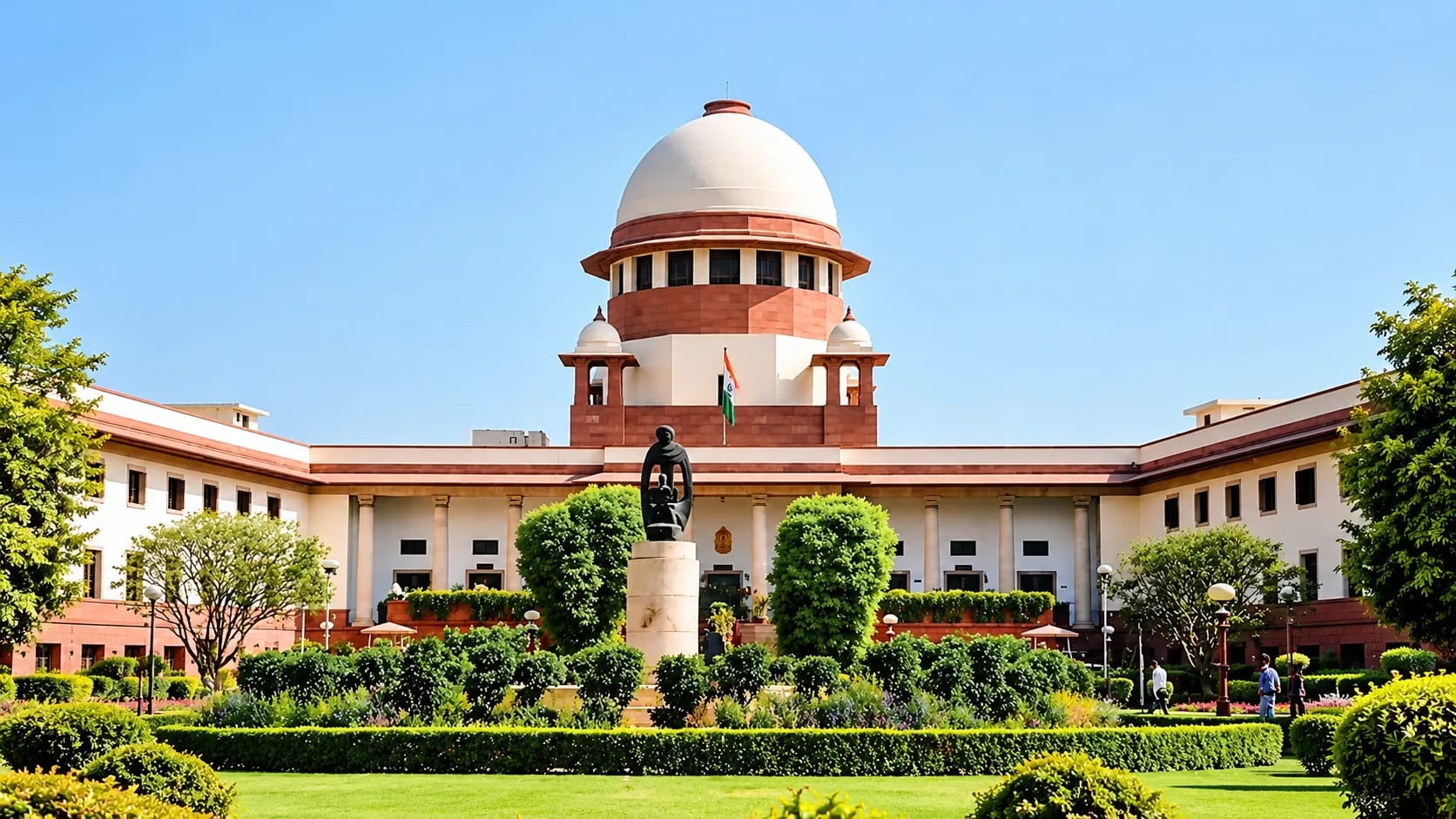
Supreme Court Seeks Election Commission's Response to Opposition Petition on Electoral Roll Revision
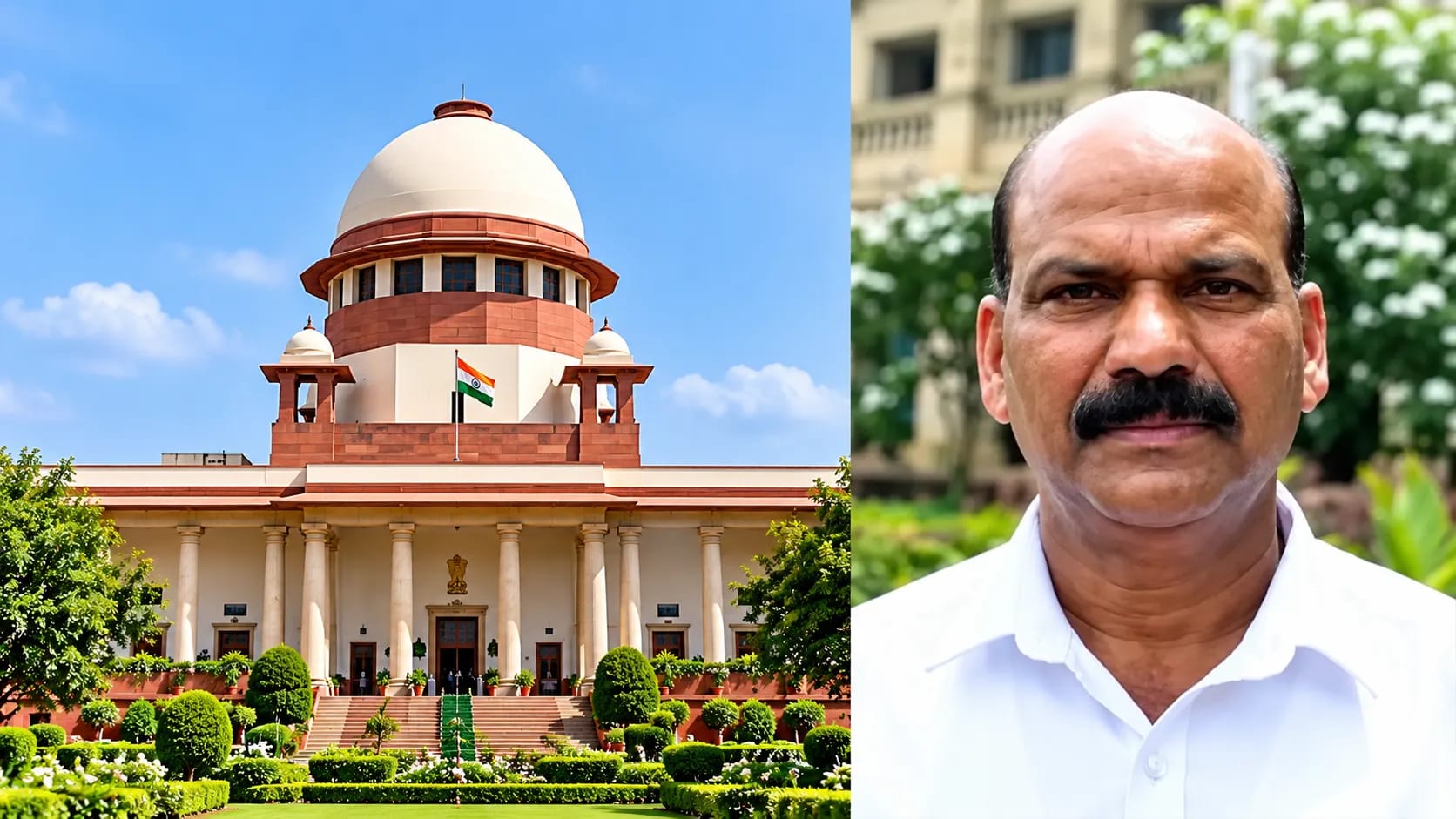
The Supreme Court of India has sought a response from the Election Commission of India (ECI) and its senior officials to a petition filed by opposition leaders challenging aspects of electoral roll revision and raising allegations of irregularities in the electoral process.
The proceedings, reported on 16 October 2026, bring renewed attention to the relationship between electoral administration, judicial oversight and political accountability. The petition was filed by Congress leader Rahul Gandhi and other INDIA bloc leaders, who have sought an independent, time-bound inquiry into alleged electoral irregularities and the functioning of the poll panel.
The development does not establish that the allegations are true. Instead, it places the issues raised by the petition before the judiciary for consideration and requires the respondents to address the court's notice.
What Is the Dispute About?
At the centre of the controversy is the Election Commission's Special Intensive Revision (SIR) of electoral rolls and related procedures governing voter registration.
Electoral rolls determine who is eligible to vote at a particular polling station. Maintaining accurate records is essential because the lists must include eligible voters while preventing duplicate or otherwise ineligible registrations.
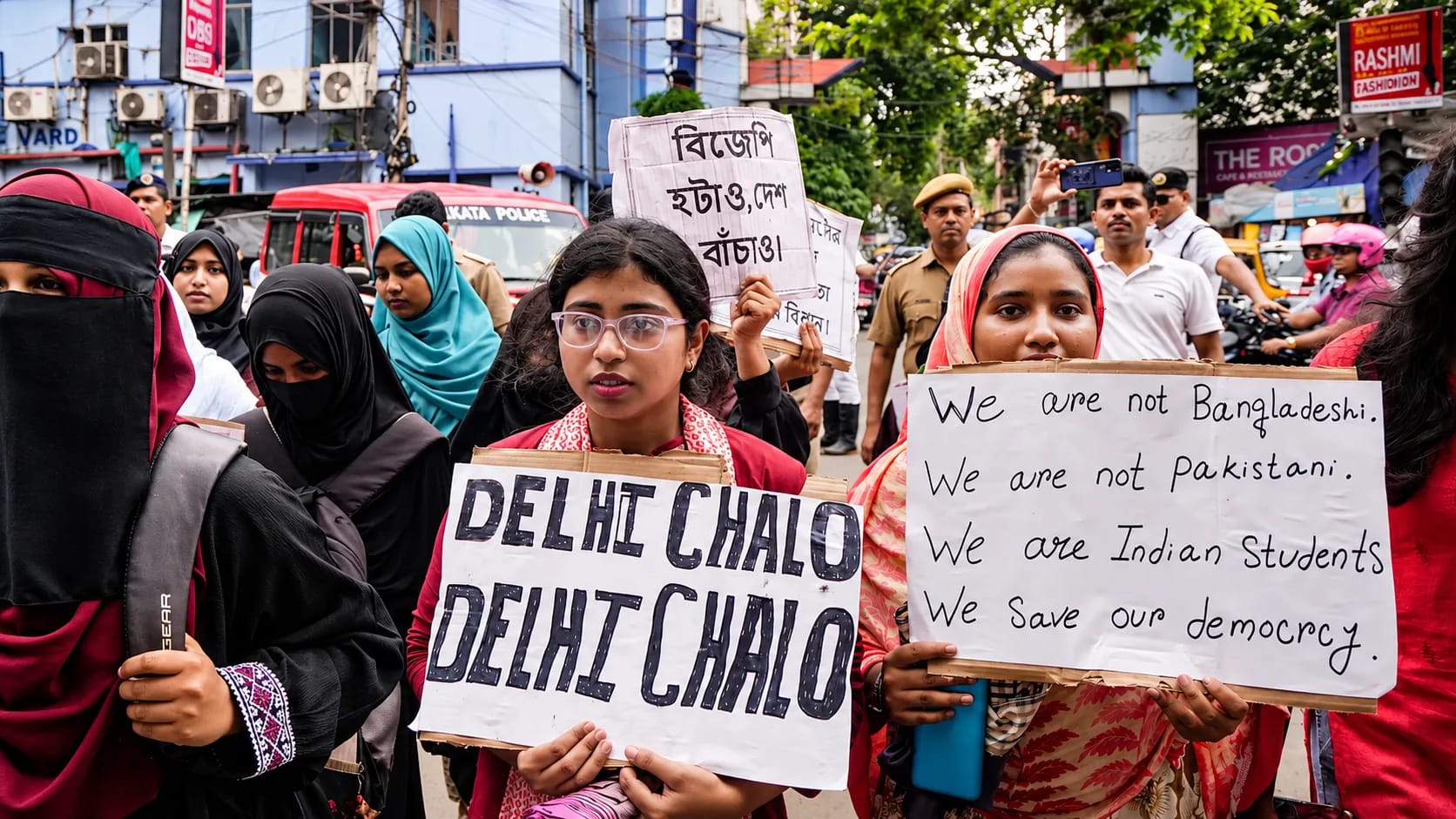
The revision process has nevertheless become politically contentious. Opposition parties have raised concerns about voter deletions, registration procedures and the transparency of the process.
According to reports, the petition seeks an independent and time-bound inquiry into alleged electoral irregularities and the functioning of the Election Commission.
The central question is whether the procedures used to revise voter lists are sufficiently transparent, accessible and accountable to protect eligible voters' rights.
That question has implications beyond the immediate dispute between political parties. Electoral registration affects the practical exercise of the constitutional right to participate in elections.
Why Electoral Roll Revision Matters
India conducts elections across an exceptionally large electorate, requiring extensive administrative coordination.
Voter lists must be updated to account for deaths, changes of residence, duplicate entries and newly eligible citizens. Such revisions are a routine part of election administration.
However, the accuracy of a revision exercise cannot be judged solely by the number of names removed or added.
Authorities must also ensure that eligible voters are not wrongly excluded and that people affected by changes have access to procedures for correcting their records.
The Election Commission's Institutional Position
The Election Commission is a constitutional body responsible for supervising elections to Parliament and state legislatures, as well as elections to the offices of the President and Vice-President.
Its independence is central to public confidence in the electoral process.
The latest petition raises questions about the Commission's handling of electoral procedures. Those questions must be distinguished from established findings: allegations made by petitioners are not equivalent to judicial conclusions.
The Commission's response, together with any additional records and submissions before the court, will be important in understanding the legal and administrative issues involved.
What the Supreme Court's Notice Means
The Supreme Court's decision to seek a response is a procedural development. It allows the respondents to address the issues raised in the petition.
It should not be interpreted as a final finding that the Election Commission acted unlawfully or that the allegations have been proved.
The next stages of the proceedings will determine which questions require further examination and what legal conclusions, if any, follow from the arguments and evidence.
Judicial scrutiny of electoral administration is particularly significant when a dispute concerns the accuracy of voter lists or access to registration procedures.
At the same time, courts must assess such disputes through the applicable law and evidence rather than through competing political claims.
Political Implications
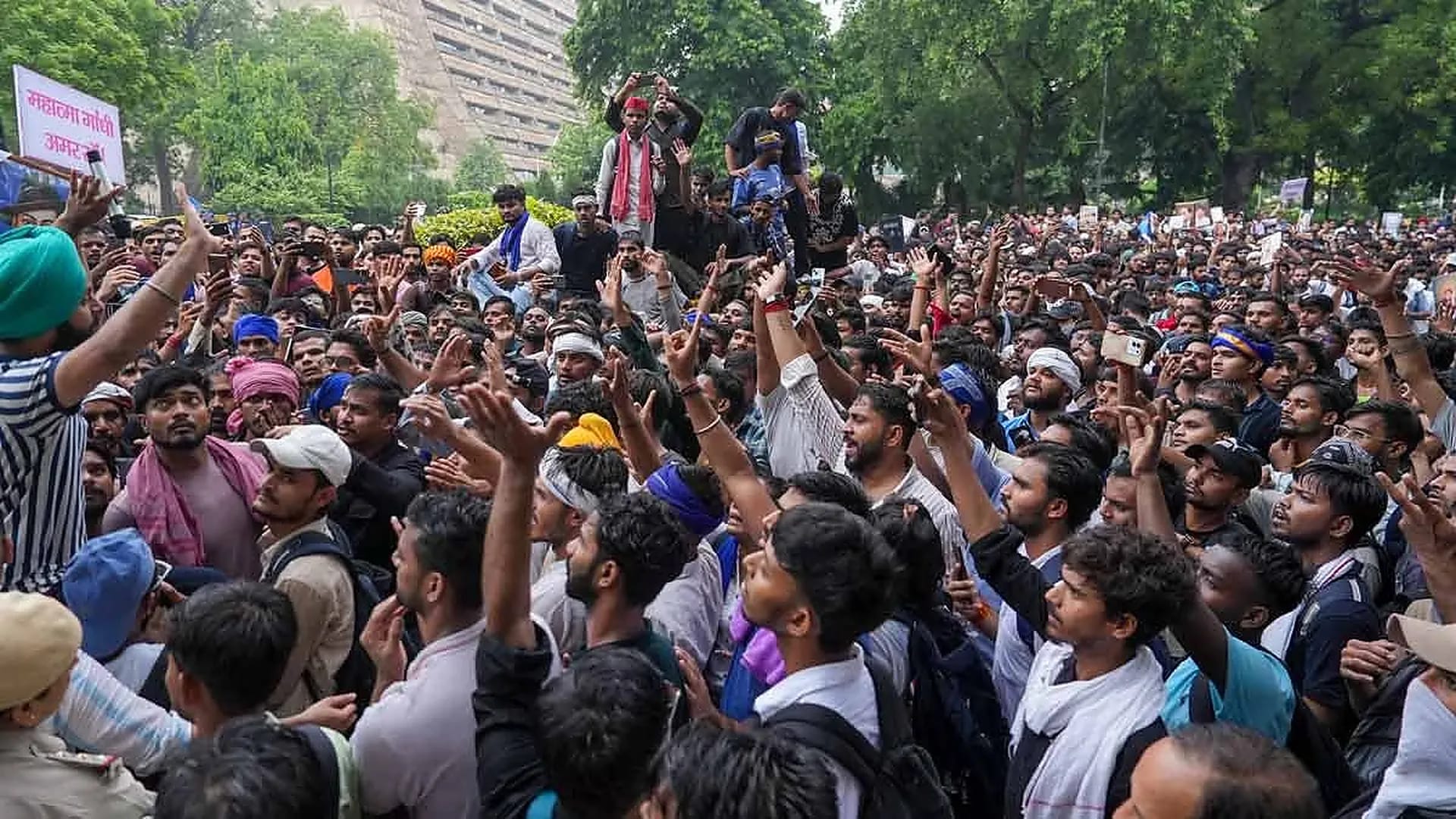
The dispute has created another point of confrontation between opposition parties and the institutions responsible for administering elections.
For the opposition, the petition provides a formal route to seek scrutiny of alleged irregularities. For the Election Commission, the proceedings create an opportunity to explain its procedures and defend its actions before the judiciary.
For voters, the practical questions are more immediate: whether their names appear on the electoral rolls, whether corrections can be requested efficiently and whether registration decisions are communicated clearly.


Join the discussion
Comments (0)