
Supreme Court Questions Missing Karnataka Vote-Counting Footage in Sringeri Election Dispute
Supreme Court Questions Missing Karnataka Vote-Counting Footage in Sringeri Election Dispute
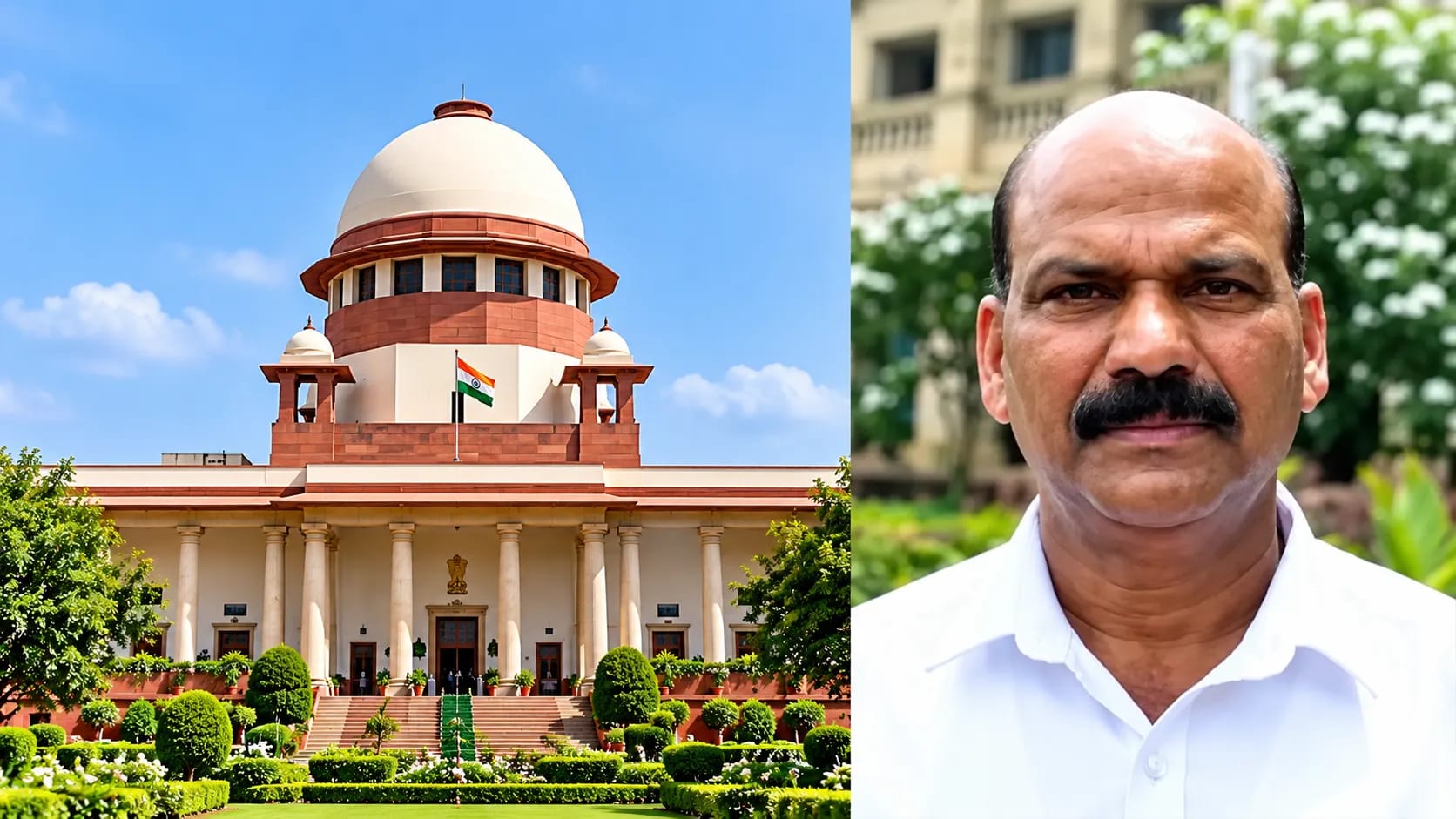
The Supreme Court has questioned the Election Commission of India over its failure to locate video recordings connected with the vote-counting process in the Sringeri constituency during the 2023 Karnataka Assembly elections.
The proceedings concern an electoral dispute involving Congress MLA T. D. Rajegowda and BJP candidate D. N. Jeevaraj. According to reports published on 15 October 2026, the court expressed dissatisfaction with the Election Commission's explanation that the relevant recordings could not be located and directed that they be produced at the next hearing, scheduled for 15 February 2027.
The case highlights the importance of preserving election records when the validity of a result is challenged.
It also illustrates the distinction between an allegation raised in election litigation and a conclusion that can be reached only after examining the evidence and applicable law.
Background to the Sringeri Dispute
The controversy originates in the 2023 Karnataka Assembly election.
The dispute concerns the result in Sringeri, where Rajegowda and Jeevaraj became involved in litigation over the handling of postal ballots and the subsequent counting process.
Rajegowda initially won the constituency by a margin of 201 votes. Jeevaraj subsequently challenged the result, alleging discrepancies in the processing of postal ballots. A recount ordered through the legal process changed the declared outcome.
Rajegowda then challenged the subsequent developments, arguing that ballots had been reconsidered beyond the scope of the relevant recount order.
These competing claims concern the procedures followed during the counting process. Their legal significance depends on the record of proceedings, the applicable election rules and the evidence available to the court.
Why the Missing Footage Matters
Video recordings can provide an additional record of events during the counting process.
Where a dispute concerns the handling of ballots, procedural compliance or the implementation of a recount order, relevant recordings may assist a court in reconstructing what occurred.
Their importance depends on what they show, whether they cover the relevant stages and how they relate to other documentary evidence.
The absence of a recording does not automatically establish wrongdoing. Nor does the existence of footage necessarily resolve every disputed question.
The court must evaluate the available evidence in accordance with the law.
Nevertheless, the inability to locate relevant records can complicate the examination of an election dispute, especially when the recording was expected to be preserved or made available under the applicable procedures.
This is why record management matters even after counting has concluded and the immediate election administration process has ended.
Election Administration and Accountability
Election administration involves more than conducting polling and announcing results.
It also includes maintaining relevant documentation, preserving records as required and responding to legal challenges.
The answers require a clear understanding of the relevant retention rules, the nature of the recordings requested and the Election Commission's explanation for their absence.
Without those details, it would be premature to infer either deliberate destruction or intentional concealment.
The distinction between an administrative failure and deliberate misconduct is significant and must be established through evidence rather than speculation.
The Role of the Supreme Court
The Supreme Court's intervention brings the dispute into the wider framework of judicial scrutiny of election procedures.
Courts examining election disputes must consider the applicable statutory framework, the evidence presented by the parties and the legal remedies available.
In this case, the reported direction to produce the recordings at a future hearing provides a further step in the court's examination of the dispute.
The next hearing may clarify whether the requested material can be located, what explanation the Election Commission provides and how the missing records affect the questions before the court.
Why Postal Ballot Procedures Matter
Postal ballots are an important part of India's electoral system for eligible categories of voters.
Their processing and counting must follow the applicable rules. Where a result is close, even a relatively small number of disputed ballots may become important to the outcome of litigation.
That does not mean that every narrow result is inherently suspicious. It means that accurate documentation and consistent application of counting rules are especially important when the result is challenged.
A transparent process requires officials to follow established procedures and retain the relevant records in accordance with the law.


Join the discussion
Comments (0)