
Gyanesh Kumar Controversy: Why Rahul Gandhi and Opposition Leaders Are Protesting Over Voter Rolls
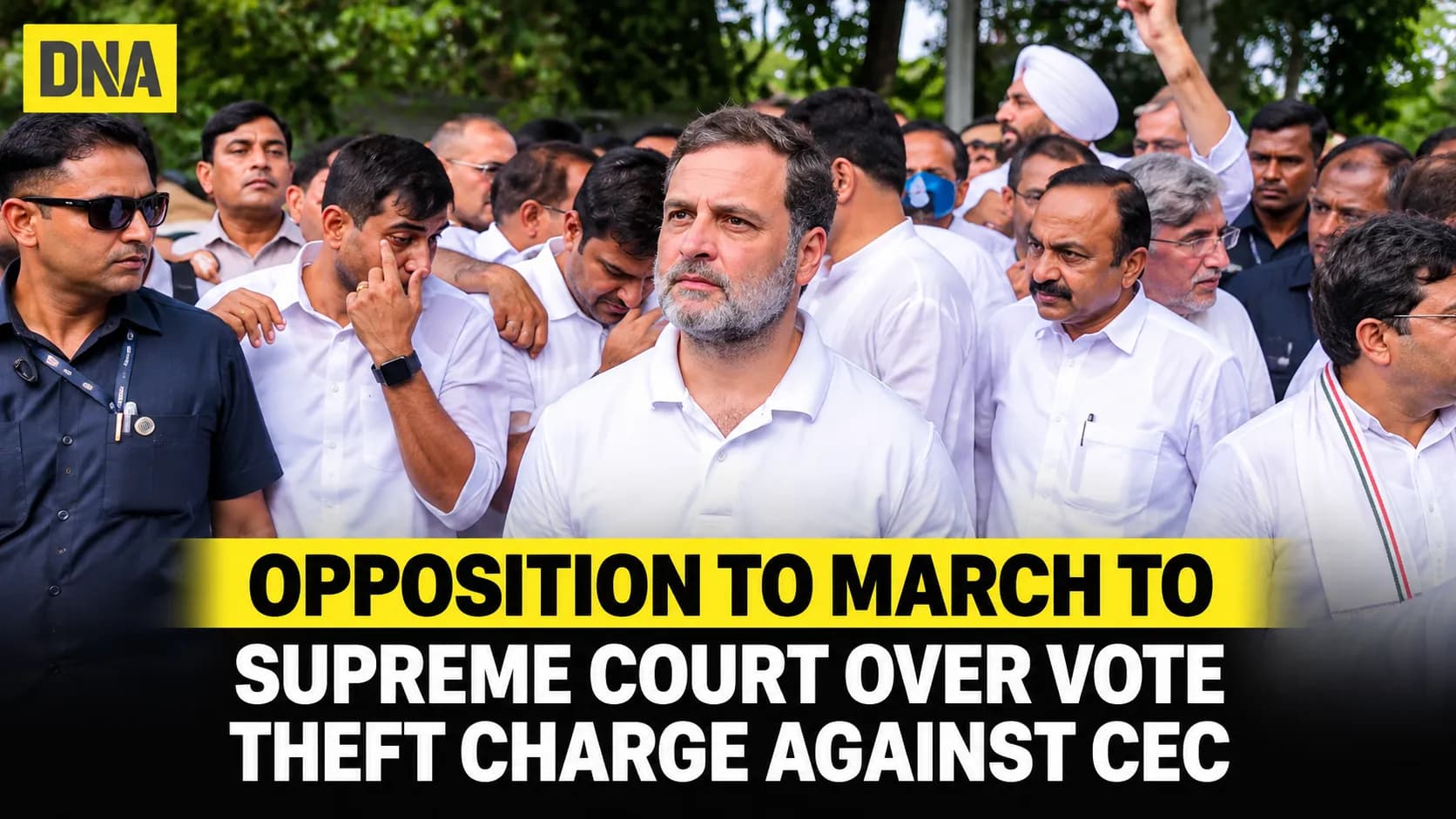
Gyanesh Kumar Controversy: Why Rahul Gandhi and Opposition Leaders Are Protesting Over Voter Rolls
A political controversy surrounding Chief Election Commissioner Gyanesh Kumar has intensified in India, with opposition leaders and youth activists organising protests over changes to electoral rolls. The demonstrations have brought renewed attention to voter registration, the Election Commission's responsibilities and allegations that the revision process could affect citizens' ability to participate in elections.
Congress leader Rahul Gandhi and other opposition representatives have called for accountability, while the youth-led Cockroach Janta Party (CJP) movement has emerged as a prominent participant in the protests. Demonstrators have demanded Kumar's resignation and raised concerns about the removal of names from voter lists.
The controversy has become a major political talking point because it involves the administration of elections, public confidence in democratic institutions and competing claims about the fairness of voter-list revisions.
However, an important distinction must be maintained: opposition allegations of politically motivated voter deletions have not been established as proven facts. The government and Election Commission have denied claims of manipulation. The controversy therefore involves both documented protest activity and disputed allegations about the reasons and consequences of electoral-roll changes.
What Triggered the Controversy?
The protests centre on revisions to electoral rolls, including the Special Intensive Revision process. Such exercises involve reviewing voter records, but disagreements have emerged over how names are removed, what documentation citizens must provide and whether the process could exclude eligible voters.
Opposition parties have alleged that the changes could disproportionately affect particular groups and influence electoral participation. They have questioned the transparency of the process and demanded greater accountability from the Election Commission.
Reports have referred to more than 130 million voter entries being removed or affected by the wider revision process. That figure should not automatically be interpreted as the number of eligible voters unlawfully deleted: the distinction between entries reviewed, names removed, duplicate records and eligible voters incorrectly excluded is essential.
Establishing the actual impact requires detailed information about the revision exercise, the reasons for individual deletions, correction procedures and the number of affected voters who remain eligible to vote.
The Election Commission's position and official data are therefore central to assessing the allegations. Without that evidence, it would be inaccurate to conclude that every removed entry represents a person who has been wrongly denied voting rights.
Why Rahul Gandhi and Opposition Leaders Are Involved
Rahul Gandhi and other opposition figures have made voter-list revisions a focus of their criticism of the election administration.
Their central concern is whether electoral-roll changes could affect the fairness of elections and whether eligible citizens might face obstacles when trying to exercise their voting rights.
Opposition leaders have demanded the resignation of Chief Election Commissioner Gyanesh Kumar. Their protests also reflect a wider disagreement about the independence of election administration and the mechanisms available to investigate complaints concerning voter registration.
The opposition's allegations remain contested. The Bharatiya Janata Party has rejected claims that the process was designed to benefit it, while the government and Election Commission have denied voter-roll manipulation allegations.
For readers, the key question is not simply which political side is making the strongest statement. It is whether the available records demonstrate errors, whether affected citizens have accessible correction procedures and whether the authorities provide transparent explanations for disputed decisions.
These questions are important because electoral rolls determine who can participate in elections. Accurate records and effective correction mechanisms are essential to protecting eligible voters while maintaining the integrity of the electoral system.
Cockroach Janta Party Movement Becomes a Major Talking Point
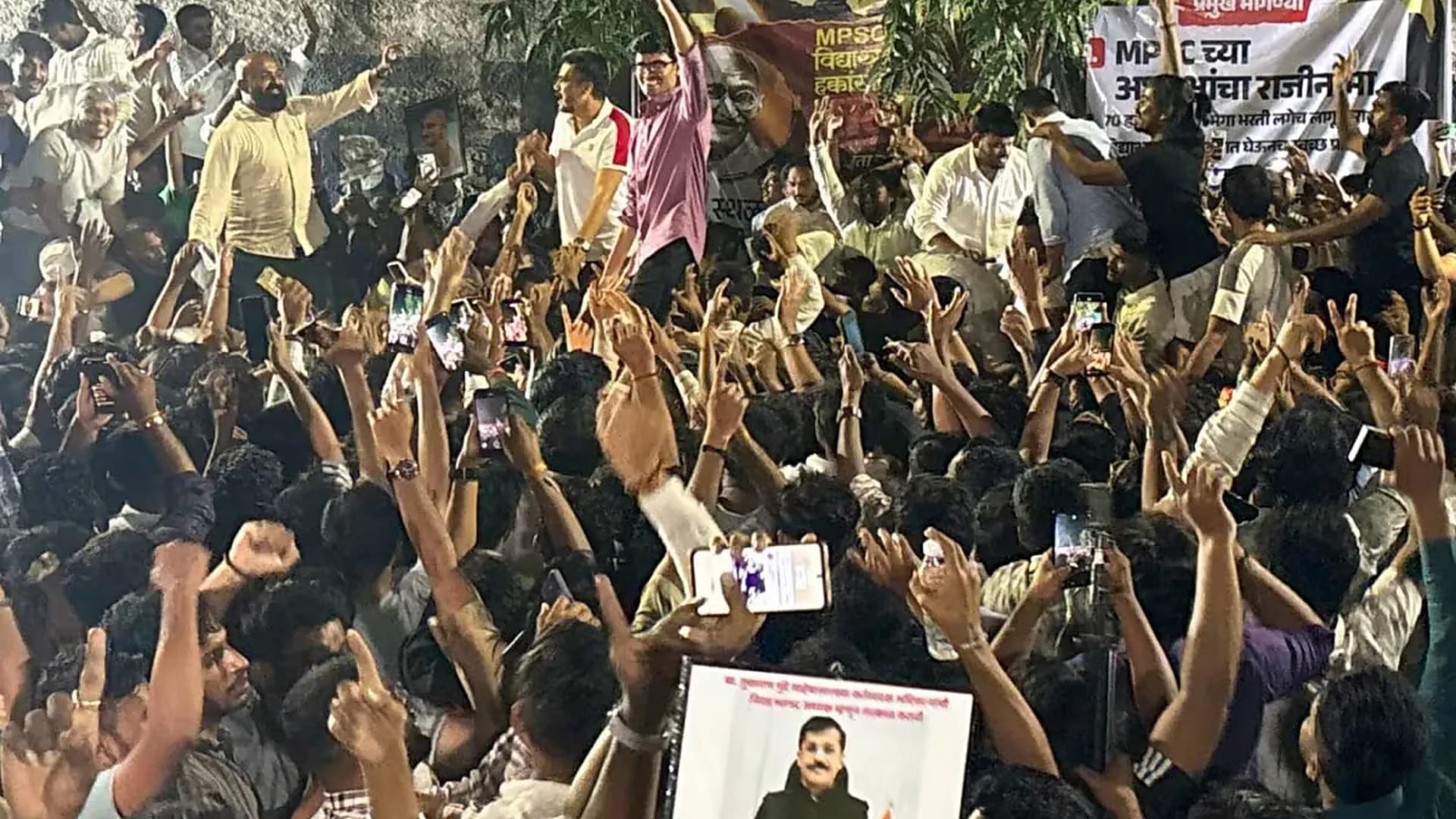
One of the most unusual developments in the controversy has been the visibility of the Cockroach Janta Party, a youth-led political movement that has attracted attention through online mobilisation and street protests.
According to Reuters reporting, the movement grew out of a viral response to a controversial remark comparing unemployed young people to cockroaches. Activists subsequently adopted the cockroach as a symbol and used it to mobilise supporters around issues including unemployment, examination-related grievances and political accountability.

Join the discussion
Comments (0)