BJP Accuses Congress of ‘Vote Theft’ Hypocrisy, Questions Opposition to Voter Roll Revision
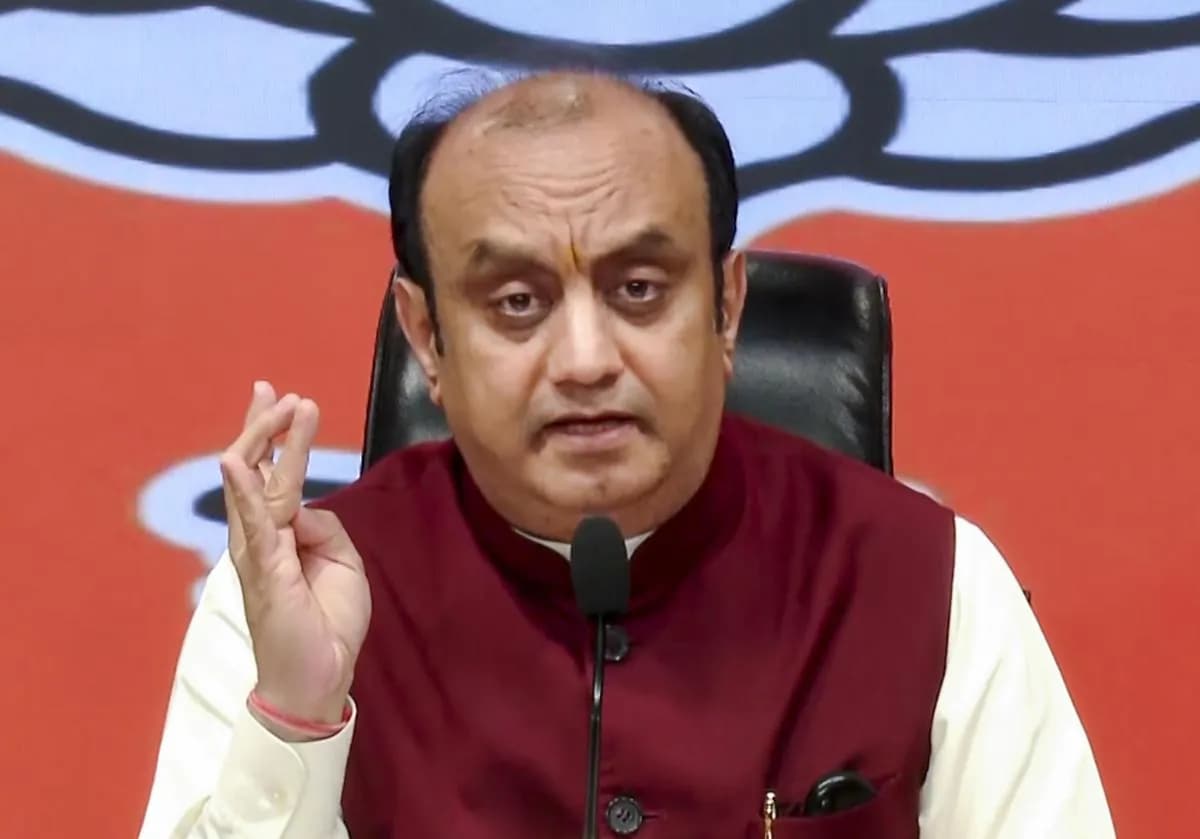
The Bharatiya Janata Party (BJP) on October 6, 2026, accused the Congress of making what it described as false allegations of “vote theft” and questioned the party’s opposition to the ongoing revision of electoral rolls.
Addressing a press conference in New Delhi, BJP MP and national spokesperson Sudhanshu Trivedi criticised Rahul Gandhi, the Leader of the Opposition in the Lok Sabha, and other Congress leaders over their campaign against the Election Commission of India (ECI).
Trivedi alleged that Congress was targeting constitutional institutions following repeated electoral defeats instead of concentrating on grassroots political work. He accused the party of avoiding the hard work of campaigning while making allegations against others.
BJP Questions Congress’s Stand on Voter Verification
Trivedi questioned why Congress was objecting to the verification of electoral rolls when its leaders had previously raised concerns about duplicate voter entries and other irregularities.
He referred to past statements by Rahul Gandhi and senior Congress leaders, including Abhishek Manu Singhvi, Ashok Gehlot, Sachin Pilot and K. C. Venugopal, concerning voter duplication and electoral-roll issues.
The BJP spokesperson asked Congress to clarify whether its earlier concerns about duplicate voters or its current criticism of the revision exercise reflected the party’s position.
These remarks formed part of the BJP’s wider counterattack against the INDIA bloc’s protests over the Special Intensive Revision of electoral rolls.
BJP Disputes Congress’s Claims About Voter Deletions
The BJP also challenged Congress’s claims concerning the number of voters affected by the revision exercise. According to reporting by Moneycontrol on October 6, Trivedi argued that the figure cited by the Opposition referred to names removed from draft electoral rolls rather than a confirmed number of final deletions.
He cited Election Commission data that, according to the BJP, included deceased voters, people who had shifted residence, duplicate entries and voters who could not be traced.
The distinction between draft-roll changes and final electoral-roll deletions is important. The classification of an entry does not, by itself, establish whether an eligible voter has been wrongly excluded. The verification process and the handling of claims and objections remain central to the dispute.
Opposition Protests Against the Election Commission
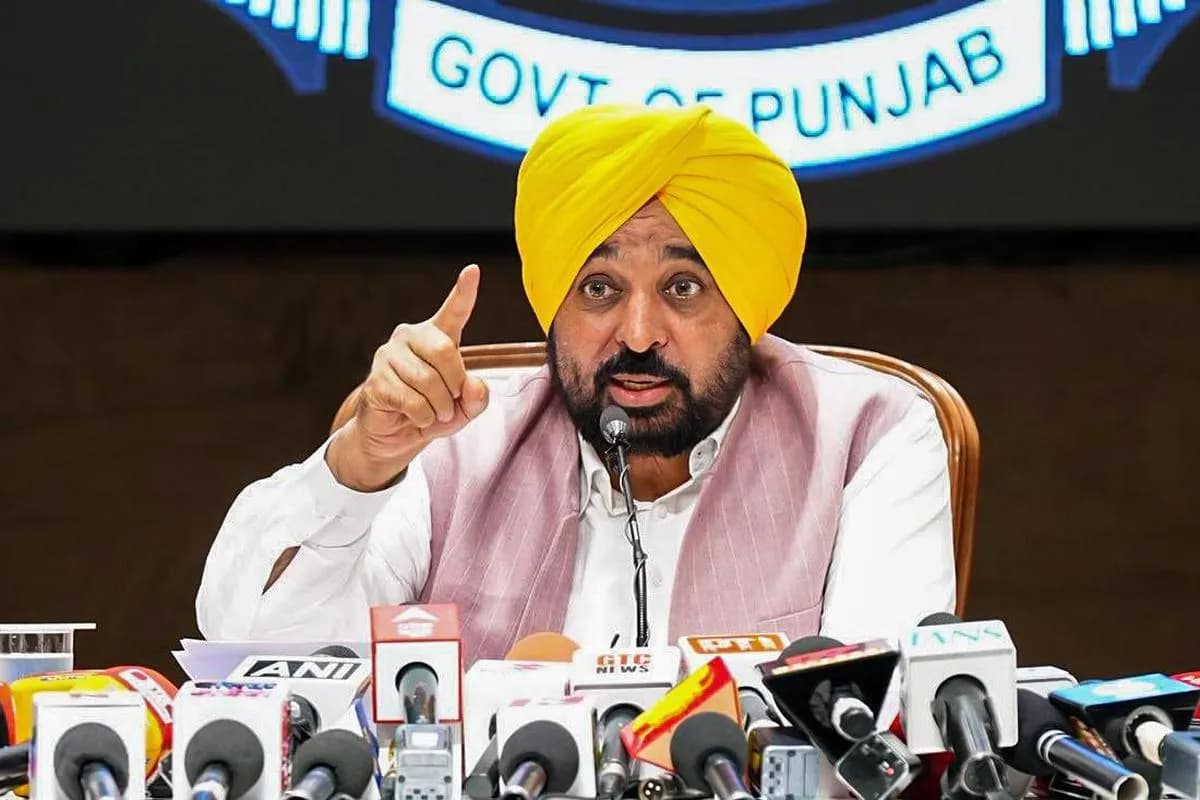
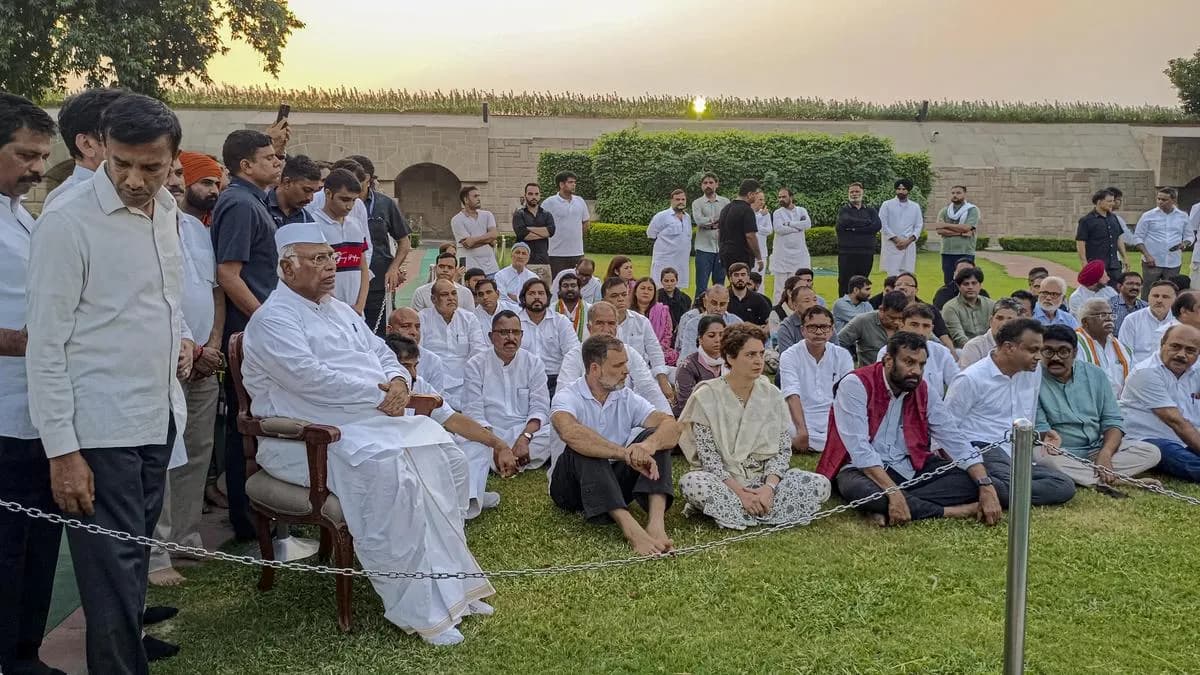
The BJP’s criticism came amid protests by INDIA bloc leaders against Chief Election Commissioner Gyanesh Kumar. Opposition leaders have raised concerns about electoral-roll changes and demanded greater accountability from the Election Commission.
Congress and its allies have alleged irregularities in the revision process, while the BJP has defended voter verification and accused the Opposition of politicising the issue.
The disagreement has become a wider political confrontation over electoral transparency, voter eligibility and the role of constitutional institutions.
Debate Over Electoral Roll Revision Continues
The controversy places the accuracy of voter lists and safeguards against wrongful exclusion at the centre of the political debate. While the BJP argues that verification is necessary to identify duplicate and invalid entries, the Opposition has called for transparency and accountability over changes to the rolls.
The key questions include how voter entries are verified, whether affected individuals have adequate opportunities to correct errors, and how objections are resolved before final electoral rolls are published.
The Election Commission’s published procedures and the evidence supporting the rival parties’ claims will be important in assessing the competing arguments.
Join the discussion
Comments (0)