
Supreme Court Pulls Up Rahul Gandhi Over INDIA Bloc March, Seeks Explanation for Protest Conduct
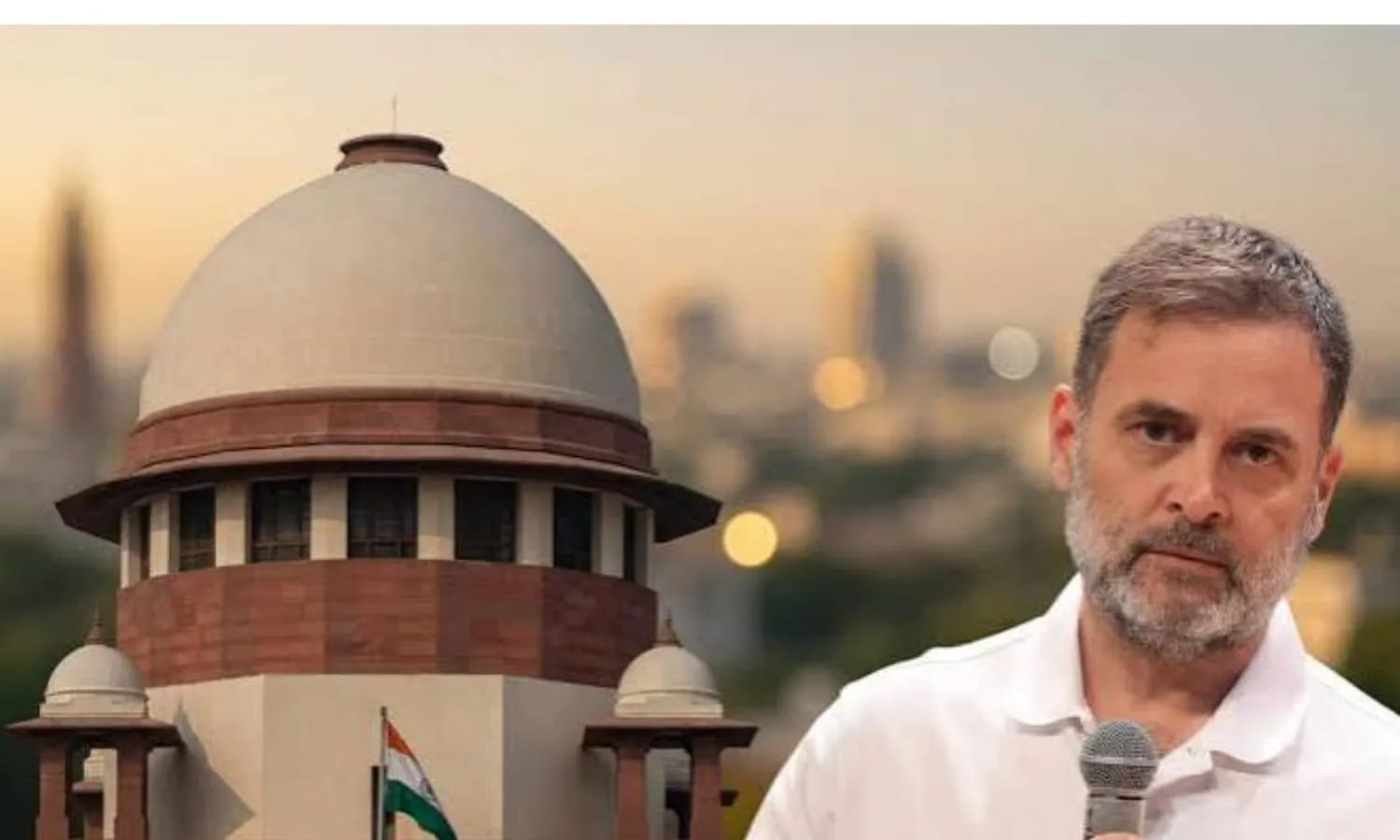
Supreme Court Questions Rahul Gandhi Over INDIA Bloc Protest March
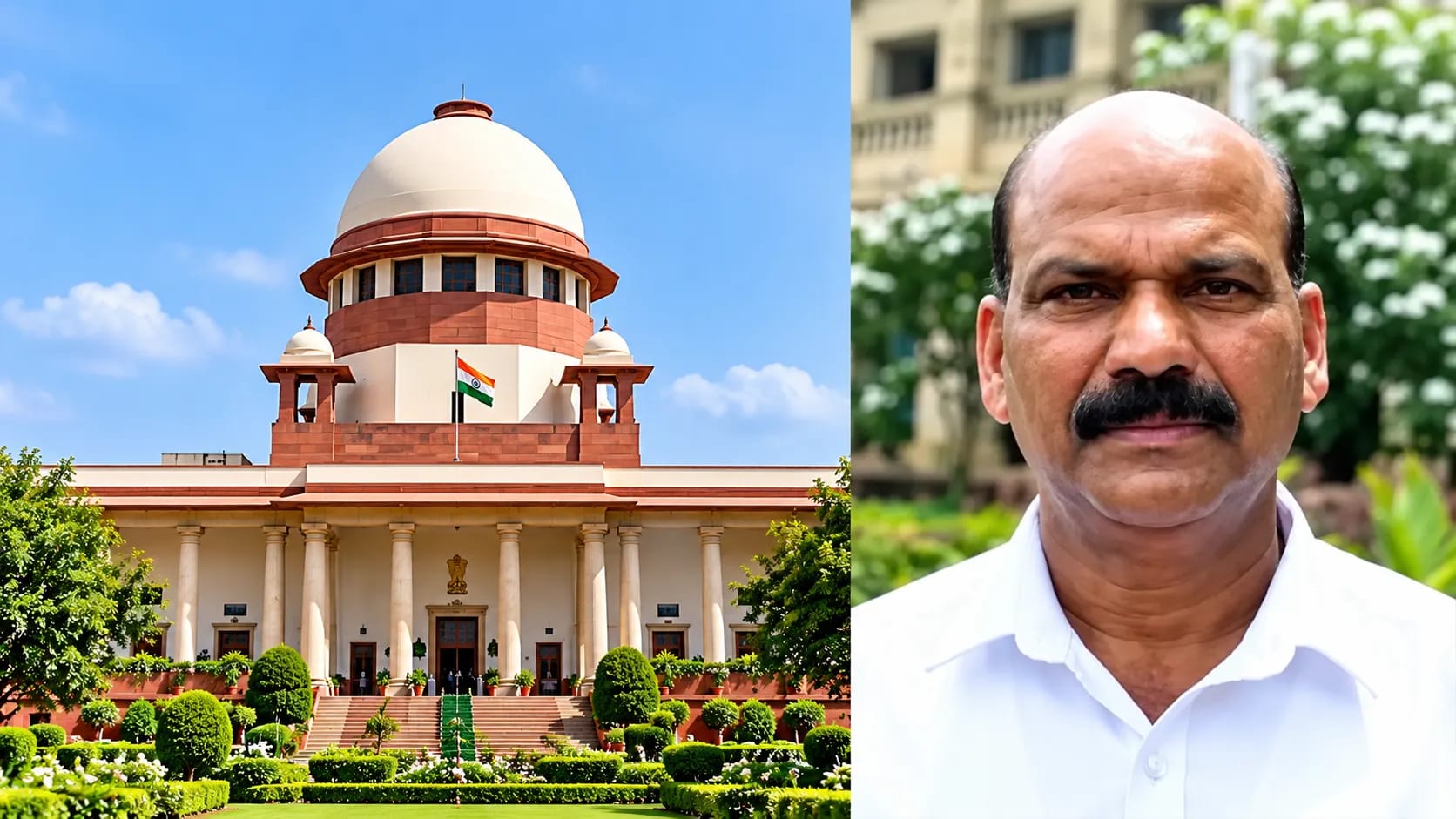
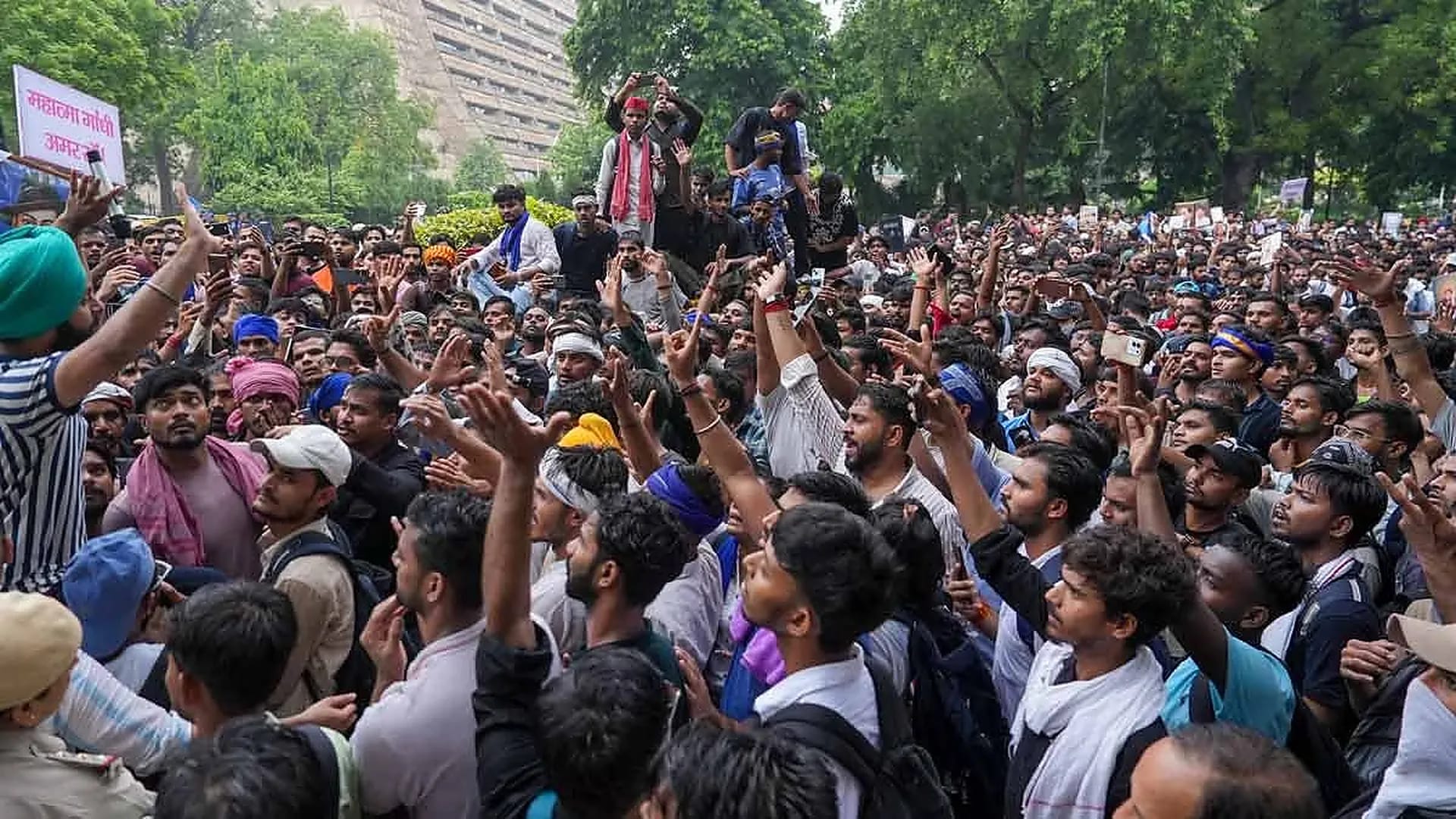
NEW DELHI, October 16, 2026: The Supreme Court has expressed concern over the conduct of Congress leader and Leader of the Opposition in the Lok Sabha, Rahul Gandhi, during the INDIA bloc’s march towards the Supreme Court premises on October 12. The court has sought an explanation regarding the circumstances surrounding the protest and the entry of a crowd into the court premises.
A bench headed by Chief Justice of India Surya Kant made the observations while hearing matters connected with the demonstration. The court issued notices to Rahul Gandhi, the Congress and other INDIA bloc leaders following a petition by lawyers raising concerns about the march.
The Chief Justice emphasised that nobody could pressure or intimidate the judiciary. He also clarified that issuing notices did not itself amount to a finding against the leaders concerned.
Why Did the INDIA Bloc March Towards the Supreme Court?
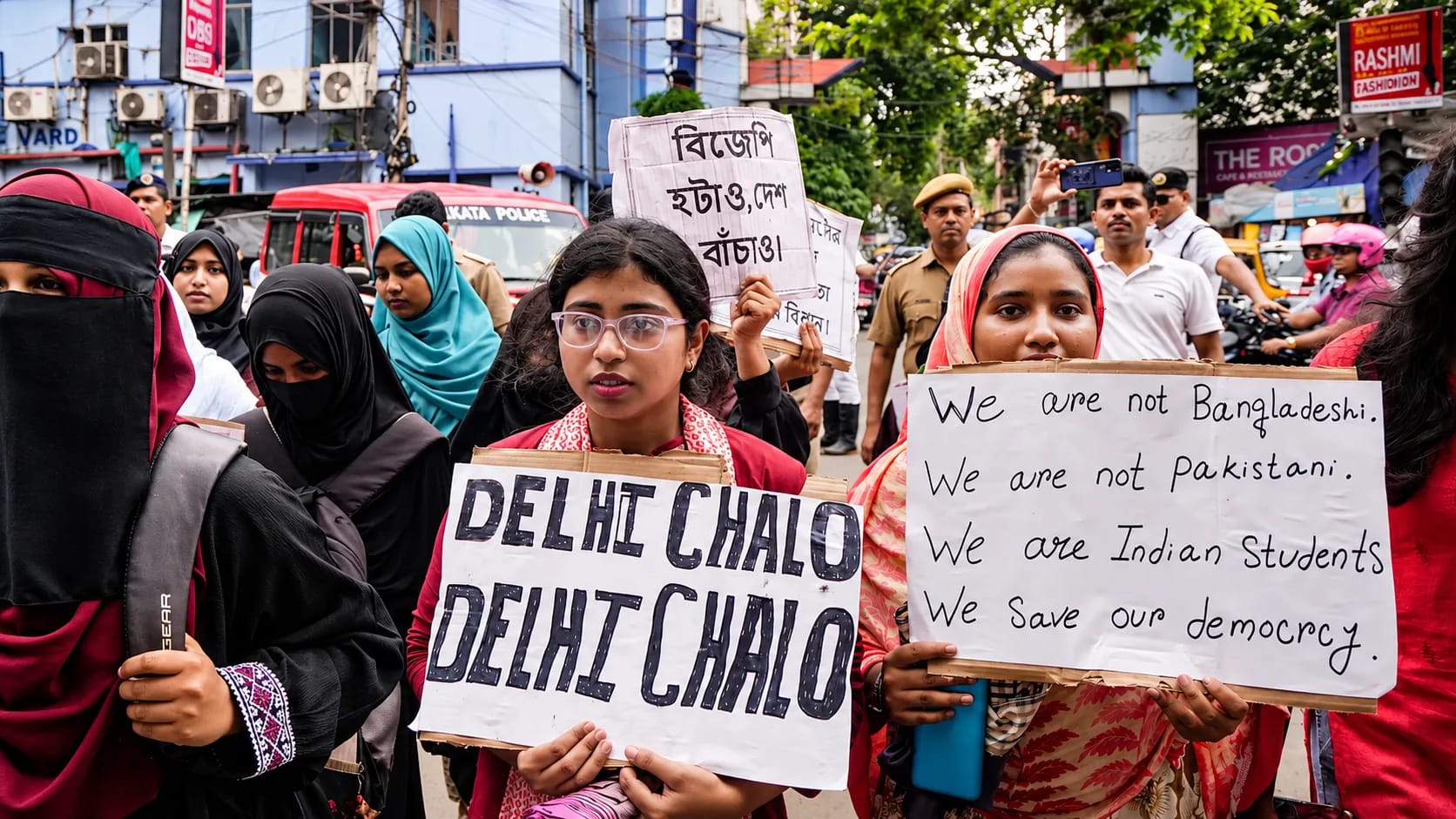
The opposition march was organised amid growing protests against the Special Intensive Revision (SIR) of electoral rolls and demands for accountability from Chief Election Commissioner Gyanesh Kumar.
Rahul Gandhi, Congress president Mallikarjun Kharge, Priyanka Gandhi Vadra, Samajwadi Party chief Akhilesh Yadav and other opposition leaders participated in the protest. The INDIA bloc raised concerns about alleged irregularities in voter-list revisions and demanded greater transparency in the electoral process.
The opposition has argued that large-scale deletions from electoral rolls could affect eligible voters. These allegations remain contested and are among the issues being raised in legal proceedings.
INDIA Bloc Challenges the Electoral Roll Revision Process
Following the march, Rahul Gandhi and other opposition leaders pursued legal action challenging aspects of the Election Commission's handling of the SIR exercise.
The petitions seek greater transparency regarding the revision process, including access to relevant records and information about decisions taken by election officials. The opposition has also called for scrutiny of the alleged removal of eligible voters from electoral rolls.
The Supreme Court issued notices to the Election Commission and the Chief Election Commissioner in separate proceedings concerning the electoral-roll revision. The notices seek responses to the legal challenges; they do not establish that the allegations are proven.
Court Raises Concerns About the Demonstration
The court's observations have brought renewed attention to the limits of political demonstrations around judicial institutions. The proceedings focus on the circumstances of the march and whether the conduct surrounding it was appropriate.
The matter is particularly significant because the opposition had approached the judiciary after seeking a meeting with the Chief Justice regarding its concerns over the electoral process. The court had indicated that legal remedies should be pursued through the established judicial process.
The Supreme Court is also examining separate issues concerning restrictions on protest locations in Delhi, including the status of Jantar Mantar as a designated demonstration site.
Political Implications for Congress and the INDIA Bloc
The development presents a challenge for the Congress and its INDIA bloc partners, who have made electoral transparency and alleged voter-list irregularities central issues in their campaign against the BJP-led government.
For the opposition, the legal proceedings offer an opportunity to press its concerns through the courts. At the same time, the Supreme Court's remarks underline the importance of respecting judicial procedures and institutional independence.
The case could influence the wider political debate over the Election Commission, electoral-roll revisions and the relationship between public protest and constitutional institutions.
What Happens Next?
The next stage will depend on the responses submitted by the leaders and authorities who have received notices, along with further directions from the Supreme Court. The court will consider the legal questions before it in accordance with the proceedings.
For now, the court's request for an explanation should not be treated as a final judgment against Rahul Gandhi or the INDIA bloc. The allegations concerning the SIR exercise also remain matters for legal examination.
Conclusion: The Supreme Court's intervention has added a new dimension to the political confrontation over electoral transparency. As the legal proceedings continue, the Congress and its INDIA bloc allies will have to address the court's concerns while pursuing their challenge to the electoral-roll revision process.
Join the discussion
Comments (0)