
Rahul Gandhi Tracks Protest Attendance as Congress Steps Up Anti-CEC Campaign
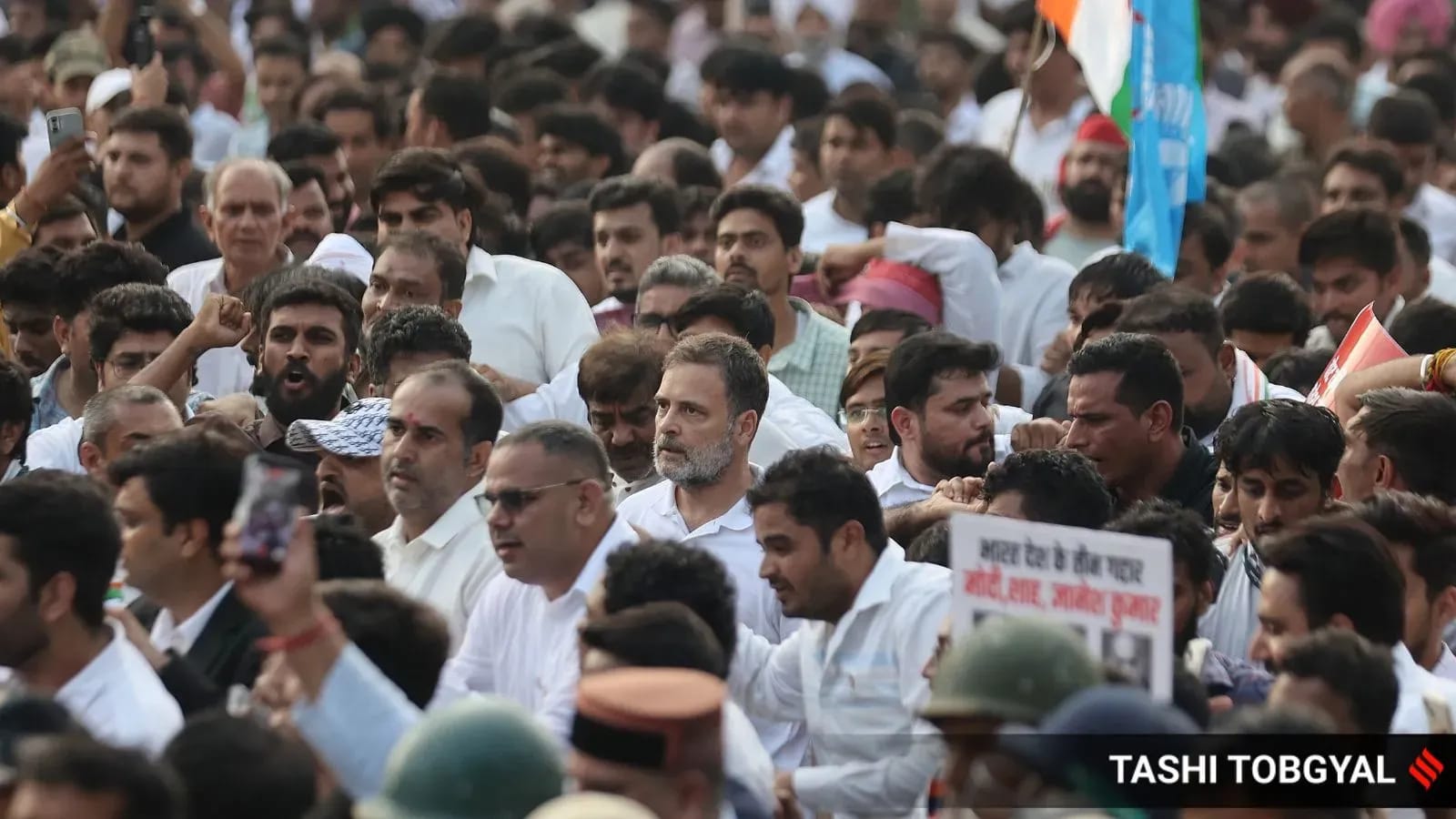
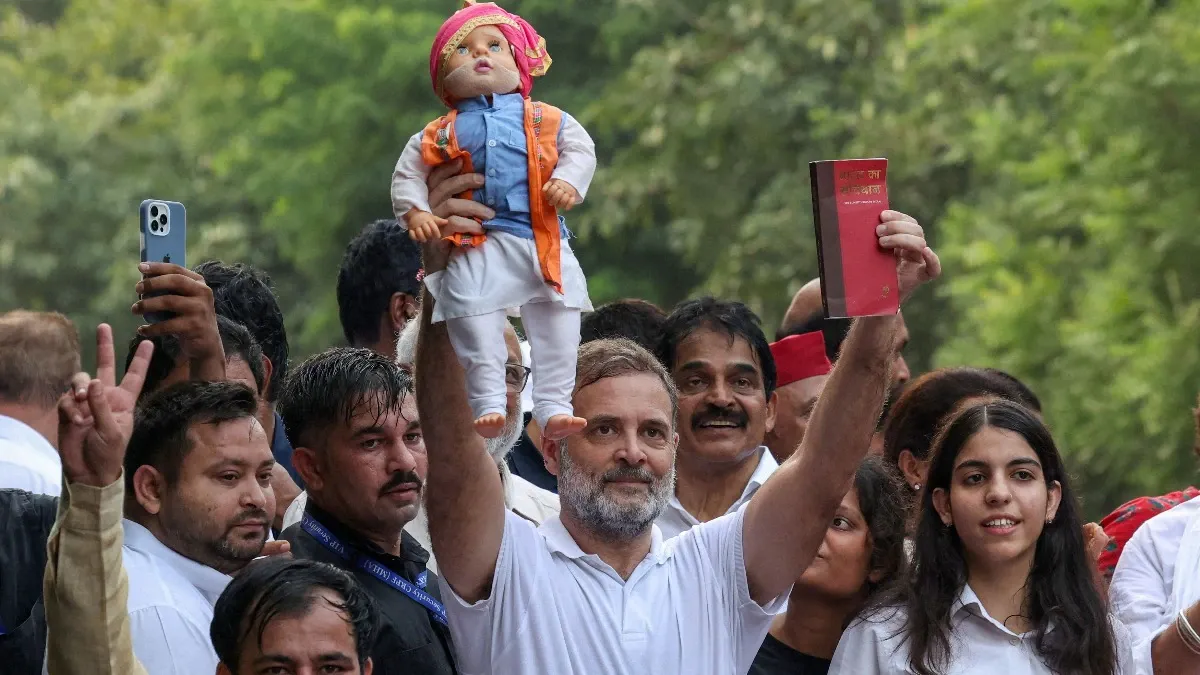
Congress leader Rahul Gandhi has taken a more active organisational role in the party’s ongoing protests against the government and Chief Election Commissioner (CEC) Gyanesh Kumar, according to Congress leaders. His involvement reportedly includes monitoring attendance, coordinating with party MPs and holding strategy meetings with senior colleagues to maintain momentum in the demonstrations.
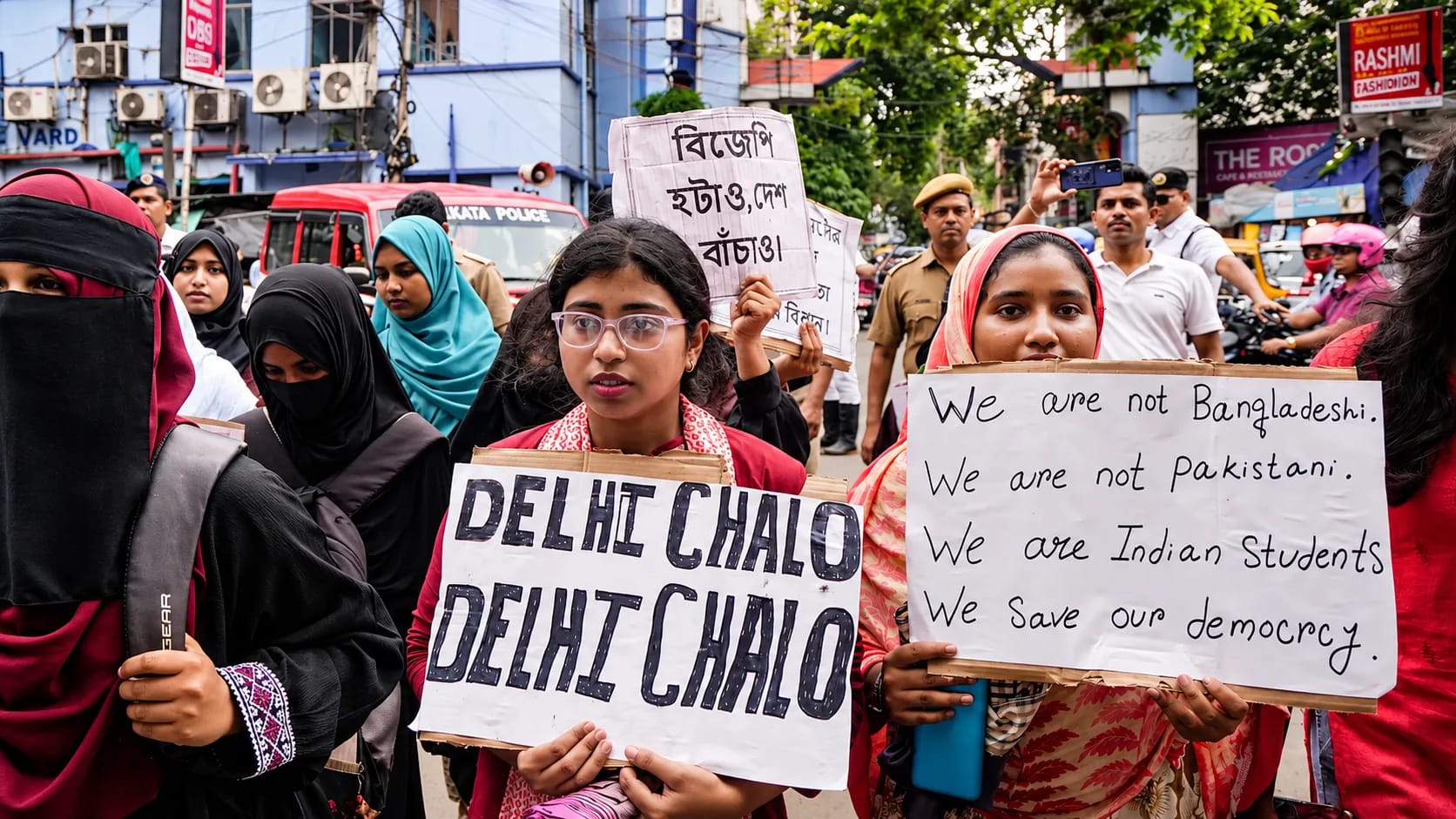
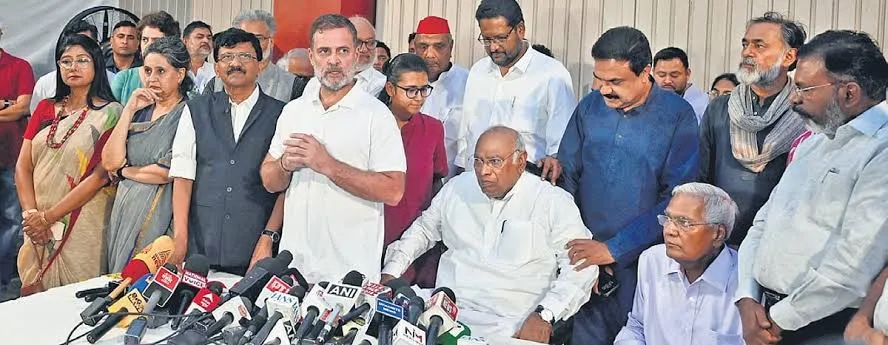
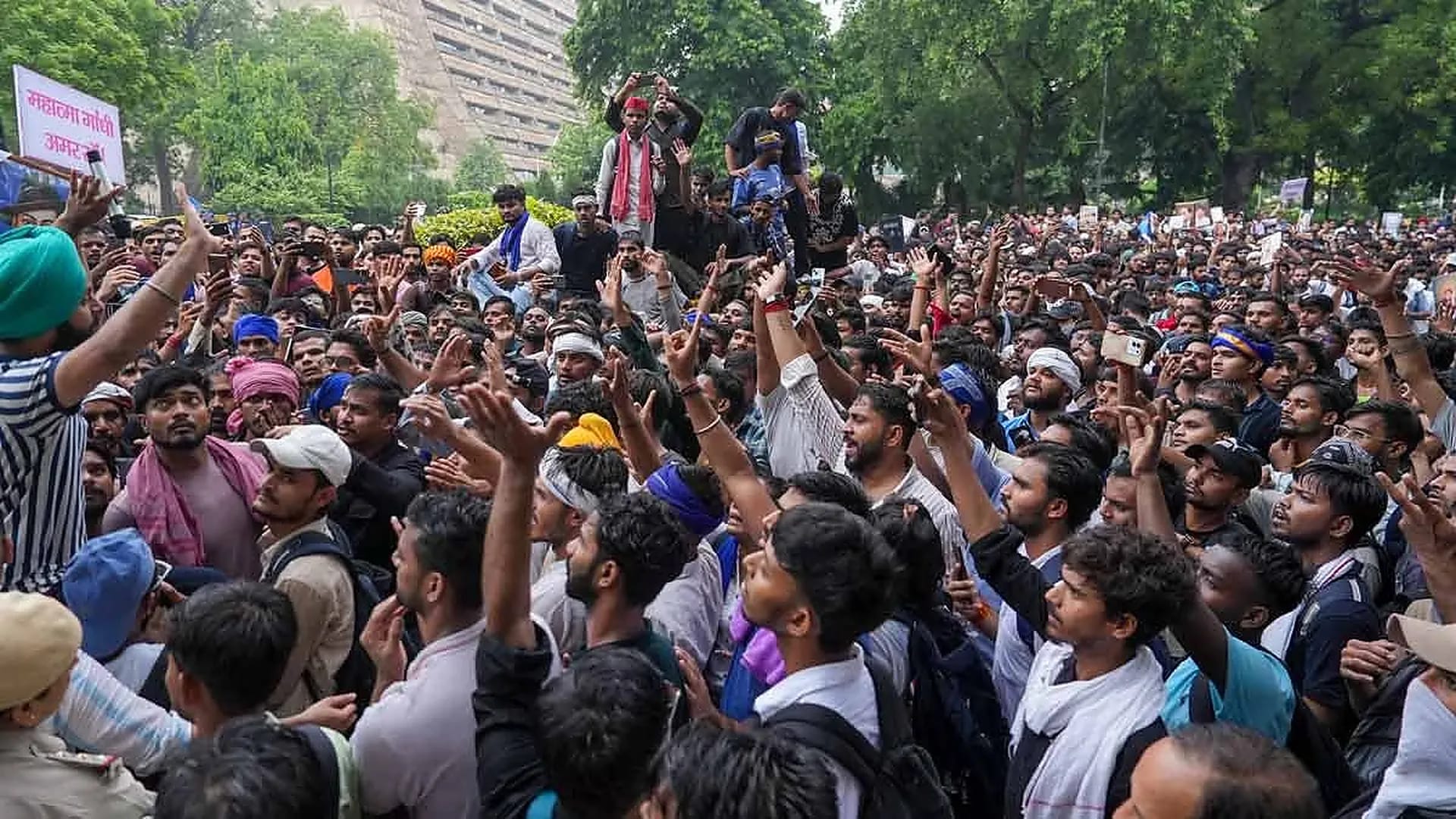
The protests have drawn participation from Congress parliamentarians, INDIA bloc allies, civil society representatives and student activists. Party leaders have credited Gandhi’s hands-on approach with helping bring different groups together around the campaign.
Rahul Gandhi Takes Charge of Protest Coordination
Congress leaders say Gandhi has been closely involved in organising the demonstrations, ensuring that party MPs participate and maintaining communication with colleagues throughout the campaign. His coordination efforts reportedly include late-night meetings with his core team, including Congress general secretary Priyanka Gandhi Vadra.
The emphasis on attendance and organisational discipline reflects an effort to present a united front against the government and the Election Commission leadership. According to party leaders, Gandhi has taken a direct interest in identifying gaps in participation and encouraging leaders to remain engaged.
INDIA Bloc Coordination Gains Importance
The Congress has also sought to coordinate with its INDIA bloc partners to broaden the protests beyond the party's own organisational network. Participation by opposition allies is important to the campaign's political messaging, as the parties seek to demonstrate collective concern over electoral processes and institutional accountability.
The involvement of civil society groups and student activists has further widened the demonstrations' reach. Such participation allows the opposition to present its concerns as extending beyond parliamentary politics, although the scale and significance of public support remain matters for independent assessment.
Protests Focus on Chief Election Commissioner
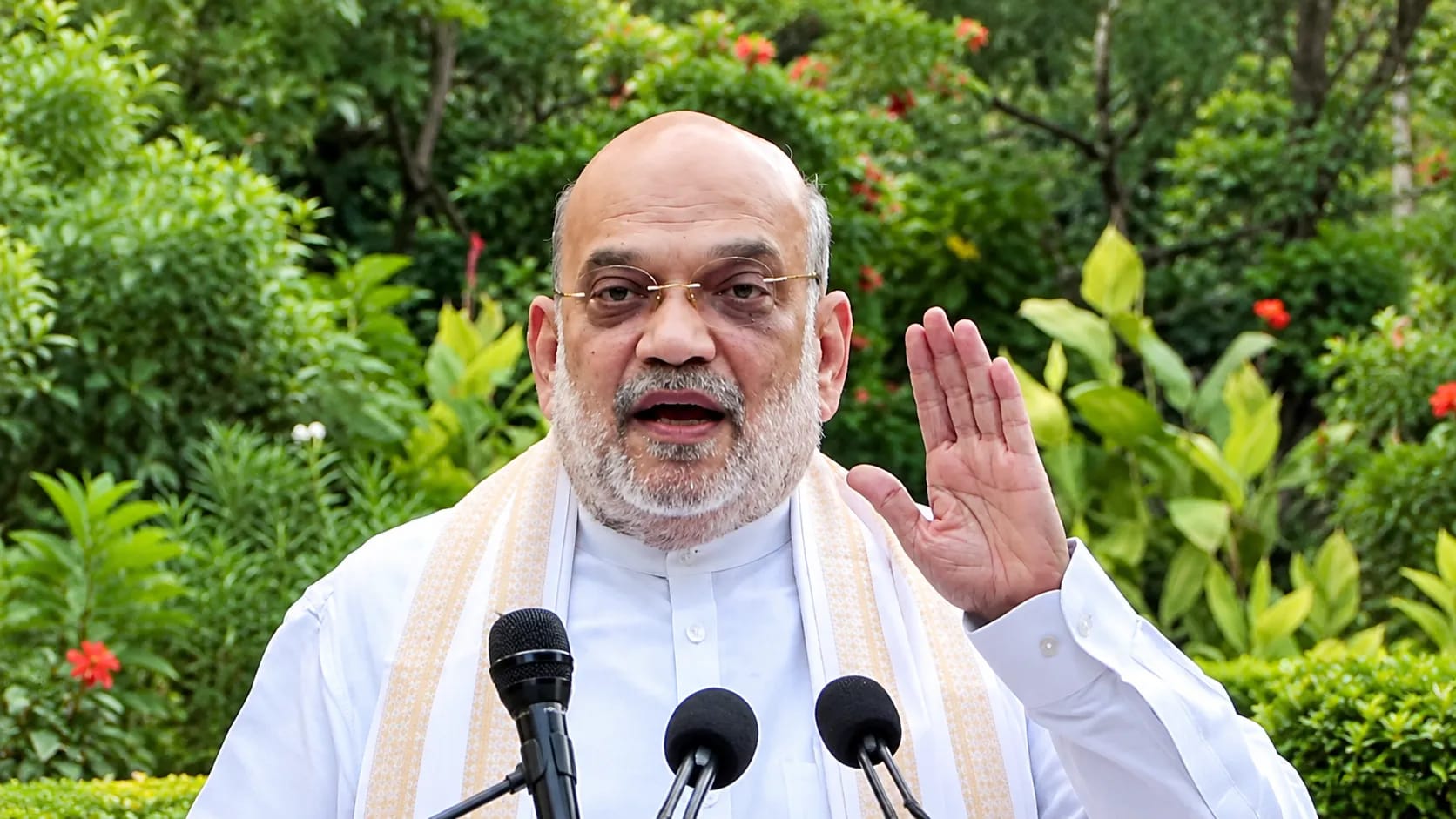
The demonstrations have included demands for the resignation of Chief Election Commissioner Gyanesh Kumar. Rahul Gandhi and other opposition leaders have raised concerns about electoral processes and the functioning of democratic institutions.
The demands form part of a broader political confrontation between the Congress-led opposition and the ruling establishment over electoral accountability. The Election Commission's role and the opposition's allegations remain central to the debate.
Congress Seeks to Maintain Political Momentum
For the Congress, the protests offer an opportunity to demonstrate organisational unity and strengthen coordination among opposition parties. Gandhi's reported attention to attendance and internal planning also signals an effort to counter longstanding criticism of his political engagement.
Whether this approach translates into sustained public mobilisation or a broader political advantage will depend on the campaign's continuity, the participation of opposition allies and the response from the government and election authorities.
For now, the protests have placed Rahul Gandhi at the centre of the Congress's mobilisation strategy, with party leaders presenting his close involvement as a key factor behind the demonstrations.
Editorial note: This article is based on the supplied report and should be independently verified before publication. Claims about attendance monitoring, internal meetings and protest participation are attributed to Congress leaders rather than presented as independently established facts.
Join the discussion
Comments (0)