Odisha Forms Commission to Examine Political Representation of Backward Classes Ahead of Local Elections
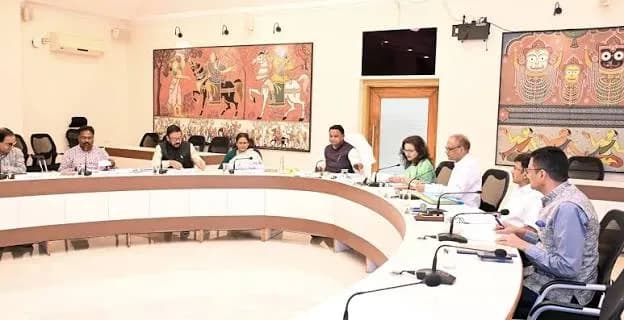
Odisha Establishes Commission to Examine Backward-Class Representation
The Odisha government has established a commission to examine the political representation of Socially and Educationally Backward Classes (SEBCs) in local self-government institutions.
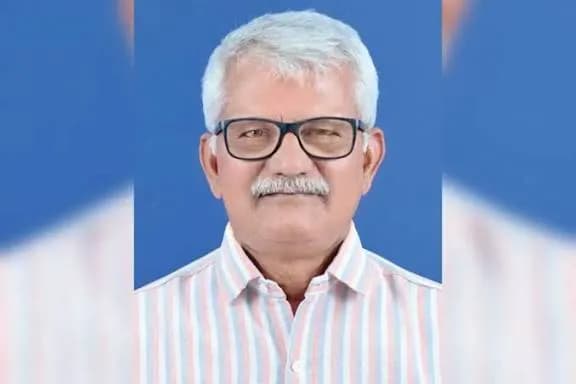
The panel, headed by retired High Court judge Pramath Patnaik, is expected to examine the representation of backward communities in rural and urban local bodies. The decision comes ahead of the state's next round of panchayat and urban local-body elections and amid demands from opposition parties for greater representation.
What will the commission examine?
The commission's work will focus on the relationship between the population of SEBC communities and their representation in institutions such as panchayats and municipal bodies.
It is also expected to examine political backwardness and the implications of representation patterns across rural and urban areas.
These questions matter because local governments make decisions affecting community services, development priorities and the allocation of public resources.
The commission's findings could help the state government determine what additional measures may be appropriate to improve representation.
Why the issue matters ahead of local elections
Local-body elections determine who represents communities in institutions responsible for local governance.
Representation is therefore not merely a question of political symbolism. It can affect participation in local decision-making and the ability of different communities to raise their concerns through elected representatives.
The commission's work comes as Odisha prepares for upcoming local elections, making its findings potentially relevant to electoral rules and reservation arrangements.
However, the appointment of a commission does not itself change the existing reservation framework. Any subsequent policy changes would depend on the commission's findings, applicable law and formal government decisions.
The political debate
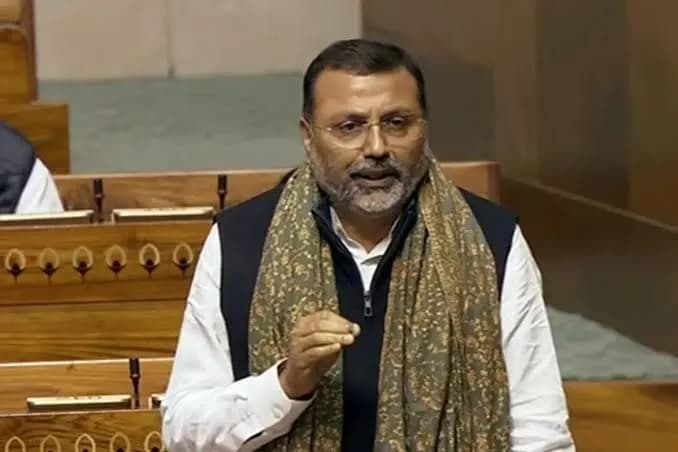
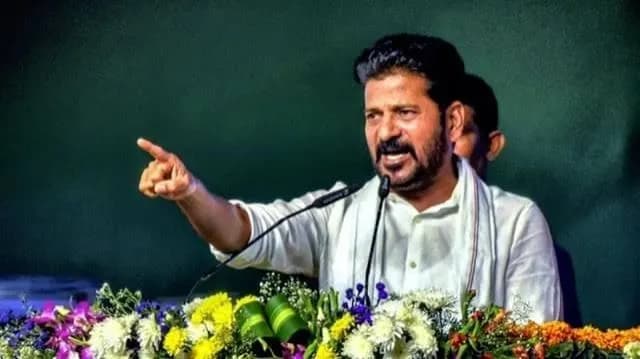
The ruling BJP government has presented the commission as a mechanism to examine the issue systematically.
Opposition parties, including the Biju Janata Dal and Congress, have called for greater political representation of backward communities.
The political debate involves several questions: how representation should be measured, what data should inform decisions and what legal framework should govern reservation in local institutions.
These questions require evidence rather than assumptions. A commission's findings can help establish a clearer basis for decisions, provided its methodology and conclusions are transparent.
Why reliable data matters
Assessing representation requires information about population patterns, existing elected positions and the distribution of political participation across local institutions.
If the data is incomplete or inconsistent, policy decisions may become contentious. Clear criteria can help explain how any future reservation arrangement is designed and implemented.
The commission's findings will therefore be important not only for the numerical distribution of seats but also for public confidence in the process.
What happens next?
The next major development will be the commission's work, including any data collection, consultations and recommendations.
The government will then need to explain how it intends to respond to the findings and whether any changes are proposed before the next local-body elections.
For Odisha politics, the issue connects social representation with the practical functioning of local democracy. The final significance will depend on the evidence gathered and the measures adopted afterward.
Join the discussion
Comments (0)