Nishikant Dubey's Jharkhand Campaign: Tribal Rights and Political Context
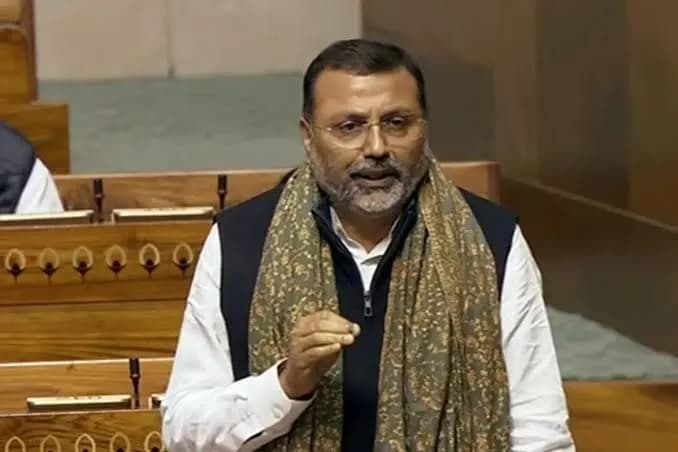
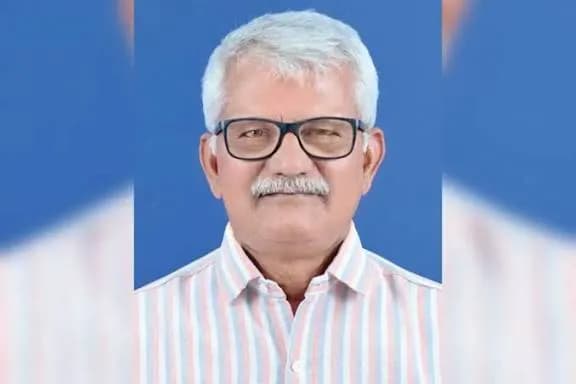
BJP Member of Parliament Nishikant Dubey has launched a campaign in Jharkhand focused on tribal student rights and concerns about alleged illegal immigration, adding a state-level political dimension to the national debate over electoral-roll revision.
Dubey launched the campaign on Thursday and met students from six districts in the Santhal Pargana region at Deoghar. The initiative was presented as an effort to take the campaign's message to a wider audience.
What the campaign is about
The campaign links the protection of tribal communities with claims about demographic changes and illegal immigration. These are politically significant claims, but allegations about the presence or impact of undocumented migrants require independent evidence.
The campaign's stated objective, as reported, concerns tribal student rights. Evaluating its practical impact will require more detail about the specific rights being advocated, the policies proposed and the government actions being sought.
A political slogan is not evidence that a particular demographic claim is true. Such claims should be checked against official records, credible research and relevant legal findings before being repeated as established fact.
Why Santhal Pargana matters
Santhal Pargana is a region with a substantial tribal population and an important place in Jharkhand's political debates. Questions concerning education, land, employment, representation and public services can have significant consequences for communities in the region.
Political campaigns may connect these concerns to immigration, demographic change or electoral issues. Responsible coverage must distinguish the documented needs of tribal students from claims about other communities.
The two questions are related in the campaign's framing, but they are not interchangeable. Evidence of gaps in student services would need to be assessed separately from evidence supporting allegations about illegal migration.
The national political context
The campaign comes amid protests by opposition parties over the Special Intensive Revision of electoral rolls. The BJP has defended the revision as a means of removing ineligible entries, while opposition parties have raised concerns about the risk of eligible voters being excluded.
The campaign therefore connects state-level political mobilisation with a broader national argument about voter registration and undocumented immigration.
What to watch next
The next developments include the campaign's planned activities, any specific policy demands and responses from state authorities or opposition parties.
The important test will be whether the campaign produces verifiable proposals and measurable action on student rights. Reporting should scrutinise the evidence for its claims, identify the policies being advocated and avoid presenting allegations about any community as proven facts without substantiation.
Join the discussion
Comments (0)