Starlink India Licence Row: Revanth Reddy's Political Response Explained
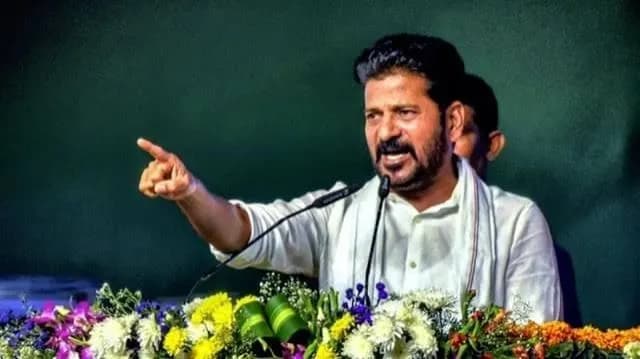
Telangana Chief Minister A Revanth Reddy has entered the debate surrounding satellite internet provider Starlink's entry into India, adding a political dimension to a licensing dispute involving regulation, competition and digital infrastructure.
The dispute intensified after Elon Musk questioned the delay in granting Starlink permission to operate commercially in India. Reddy argued that India should welcome innovation and cautioned against developments that could weaken the country's international reputation. He also referred to the Congress-led government's role in India's digital transformation.
What is the dispute about?
Starlink, operated by SpaceX, seeks permission to offer satellite communications services in India. Such services operate within a regulated environment, where licensing, security requirements and technical compliance are relevant to commercial approval.
Musk's public comments suggested that domestic commercial interests were obstructing Starlink's entry. That is an allegation, not proof that the licensing process has been manipulated.
The Union government's position, as reported by The Economic Times, was that all three satellite communications companies seeking entry were at the same stage of the licensing process. The government also emphasised that security-related requirements must be met.
Why a state chief minister is involved
Reddy's comments connect the commercial dispute with a broader argument about India's digital economy. Supporters of faster entry for satellite internet providers may emphasise competition, connectivity in remote areas and the potential for new services.
At the same time, licensing decisions are not simply questions of encouraging investment. Satellite communications raise technical and security issues that regulators must assess before allowing commercial operations.
A state chief minister can participate in the national debate, but the authority to determine the relevant central licensing requirements rests with the appropriate Union government institutions.
Separating political rhetoric from regulatory evidence
The disagreement involves several distinct questions: whether the application process has been applied consistently, whether all required conditions have been met, and whether any delay has been justified by security or technical considerations.
A political allegation about favouritism does not settle these questions. Nor does a general government statement about equal treatment independently establish that every stage of the process has been completed correctly.
The evidence needed would include the applicable licensing rules, official application status, regulatory decisions and any documented explanation for delays.
What to watch next
Further official clarification, licensing decisions and statements from the companies involved will determine how the issue develops.
For Indian politics, the dispute provides a case study in the relationship between technology policy, commercial competition and central regulation. The outcome should be assessed on verifiable decisions and compliance requirements, not on competing political characterisations alone.

Join the discussion
Comments (0)