Harish Rawat Named in FIR After Congress Protest Against Dushyant Gautam's Appointment as Sikkim Governor
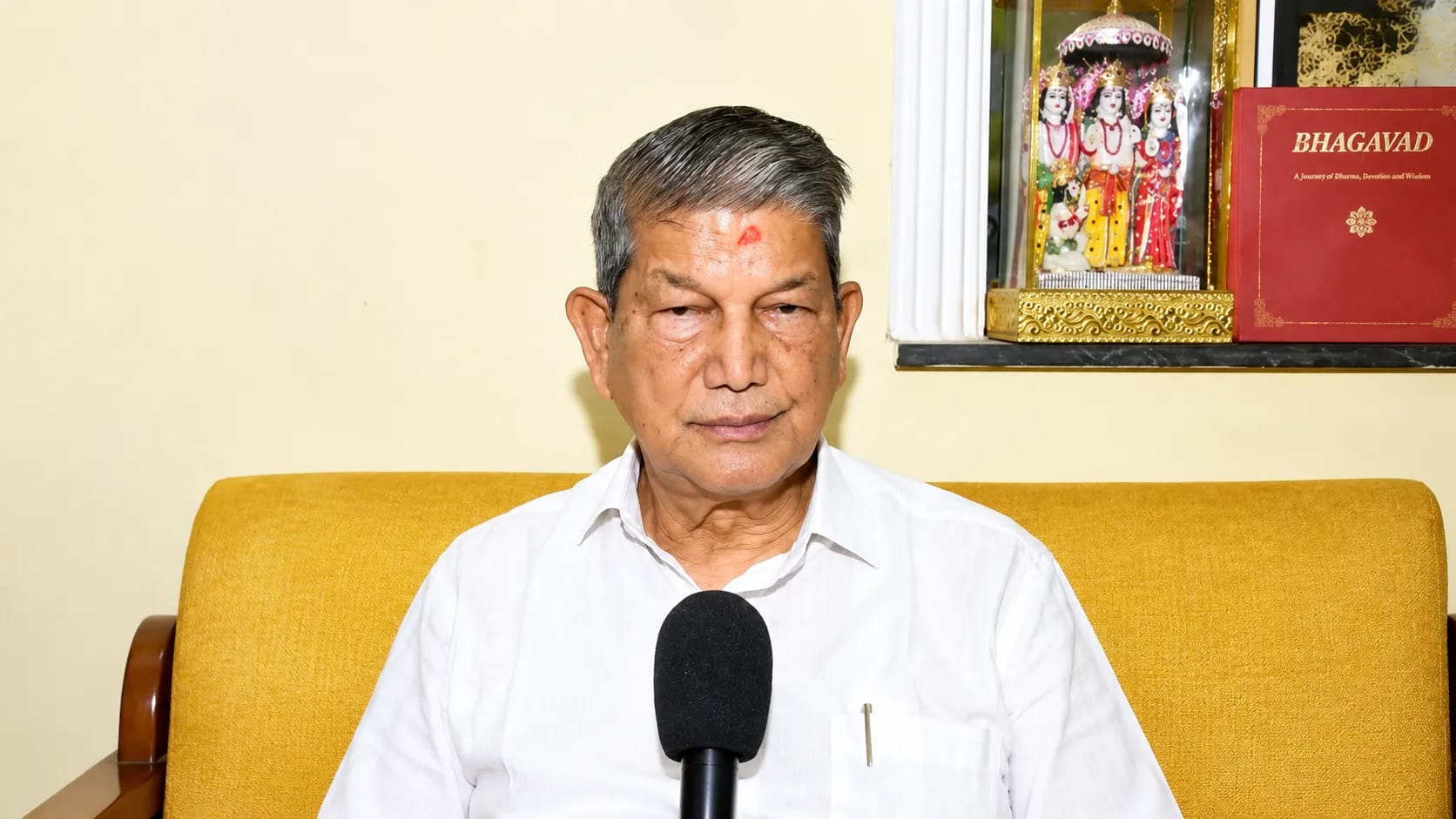
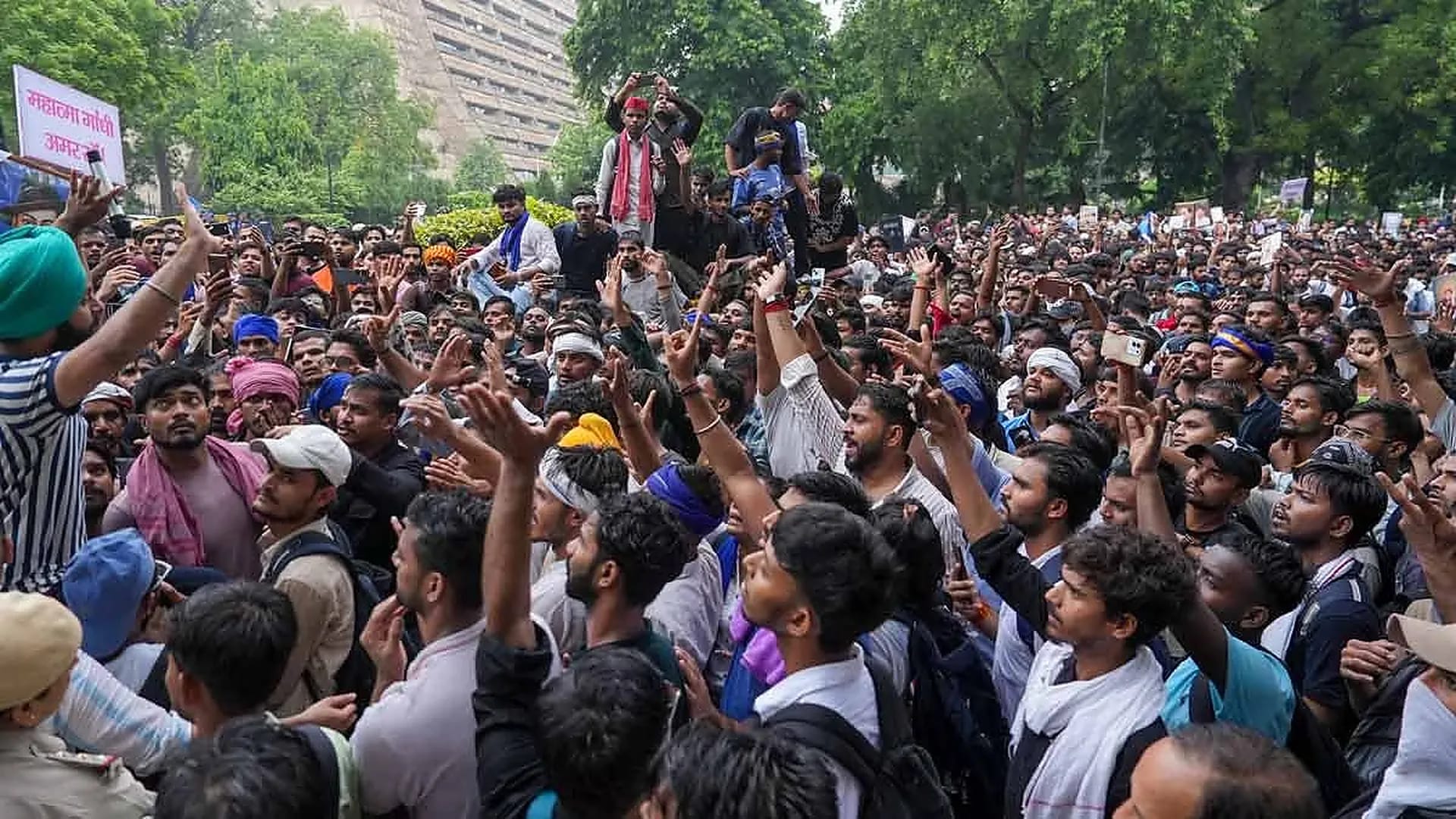
A political controversy has emerged in Uttarakhand after an FIR was registered against former Chief Minister Harish Rawat and around 30 Congress leaders following a protest against the appointment of Dushyant Gautam as Governor of Sikkim.
17 October 2026 that the protest in Dehradun was linked to the Ankita Bhandari murder case, which has continued to feature in Uttarakhand's political debate. Congress leaders objected to Gautam's appointment in light of the controversy surrounding the case.
The development has intensified the dispute between Congress and the BJP over the political implications of the appointment. However, the filing of an FIR does not establish that the named individuals are guilty of an offence.
WHY DID CONGRESS PROTEST?
Congress leaders organised the protest to oppose Gautam's appointment as Governor of Sikkim. Their objection was connected to the continuing political controversy surrounding the Ankita Bhandari case.
The protest reflects Congress's position that the appointment requires scrutiny in light of the concerns it has raised. That position is a political argument and should not be treated as a judicial finding about Gautam or the allegations associated with the wider controversy.
A fair report must explain what Congress demanded, identify the relevant public appointment, and distinguish political criticism from established facts.
WHO IS DUSHYANT GAUTAM?
Dushyant Gautam is a BJP leader who was appointed Governor of Sikkim. His appointment has become the focus of the Congress protest because of the objections raised by party leaders in Uttarakhand.
A public appointment can be criticised by political parties, but the criticism does not itself establish that the appointee has committed wrongdoing.
The circumstances of the appointment and the allegations raised by Congress should be assessed through official records and reliable reporting. Any claim about personal responsibility must be supported by evidence and attributed accurately.
WHAT IS THE ANKITA BHANDARI CASE?
The Ankita Bhandari murder case has remained a sensitive public issue in Uttarakhand. It has prompted political debate about accountability, investigations, and the handling of concerns raised by the victim's family and the public.
When reporting on a criminal case, it is essential to distinguish established court findings from allegations, demands for further investigation, and political statements.
The current FIR against Rawat and other Congress leaders concerns the protest over the gubernatorial appointment. It should not be confused with the underlying criminal case or presented as a legal determination of the allegations associated with that case.
WHY WAS AN FIR REGISTERED?
The Times of India reported that an FIR was filed against Rawat and around 30 Congress leaders following the demonstration. The precise legal provisions, the police account of the protest, and the allegations recorded in the FIR should be verified through the formal document.
An FIR records information about an alleged offence and initiates a process that may involve investigation. It is not equivalent to a conviction.
The named leaders have the right to respond to the allegations through the applicable legal process. A report should not assume that the allegations have been proved simply because a case has been registered.
THE POLITICAL RESPONSE
The controversy gives Congress an opportunity to continue raising questions about the appointment and the Ankita Bhandari case. The BJP and the relevant authorities may respond by defending the appointment or explaining the legal and administrative position.
Any response should be included when available. A balanced report should not present one party's interpretation as the final account of a disputed issue.
The formal police record, the response of the leaders named in the FIR, and any subsequent legal proceedings will be important for understanding the case.
WHAT HAPPENS NEXT?
The next developments to watch include the police's explanation of the FIR, any response from Harish Rawat and the other Congress leaders, and whether further legal action follows.
The two issues are politically connected through the protest, but they involve different factual and legal questions. Keeping them separate is necessary for accurate reporting.
THE LARGER POLITICAL SIGNIFICANCE
The dispute illustrates how appointments to constitutional offices can become subjects of political controversy, particularly when a party connects an appointment to an unresolved public grievance.
Congress has challenged the appointment, while the FIR has introduced a separate legal dimension to the protest.The immediate facts are that Rawat and other Congress leaders were named in an FIR after the demonstration. The legal status of the allegations and the broader political implications will depend on subsequent evidence, official responses, and proceedings.

Join the discussion
Comments (0)