
CJP Leaders Ashutosh Ranka and Saurav Das Sent to Five Days of Judicial Custody
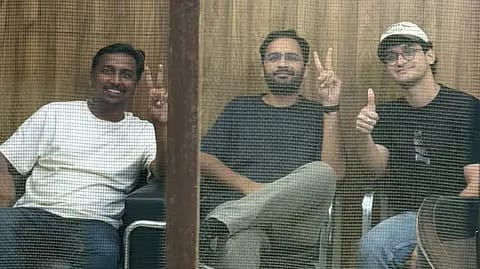
New Delhi, October 15, 2026: Cockroach Janta Party (CJP) leaders Ashutosh Ranka and Saurav Das have been sent to five days of judicial custody after being detained in connection with a protest at Jantar Mantar in New Delhi. The two leaders were remanded by an Executive Magistrate on October 14 and lodged in Tihar Jail, according to media reports.
The arrests have intensified the political debate over restrictions on demonstrations, the right to peaceful protest and opposition demands concerning Chief Election Commissioner Gyanesh Kumar and the Special Intensive Revision (SIR) of electoral rolls.
Why Were Ashutosh Ranka and Saurav Das Arrested?
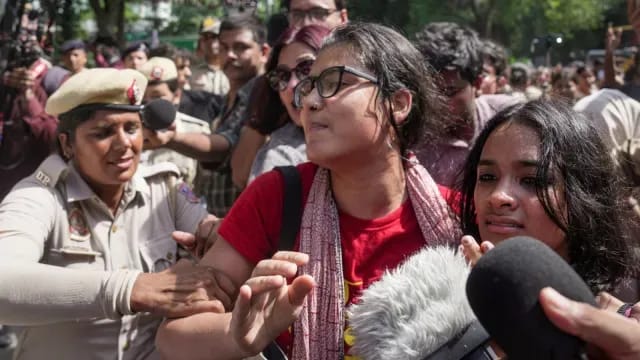
According to Delhi Police, the CJP leaders and other supporters entered the Jantar Mantar area on October 13 despite restrictions on protests at the site. Reports said the group climbed over a locked gate, unfurled the national flag and raised slogans demanding the resignation of the Chief Election Commissioner.
Police alleged that the leaders had violated previous undertakings to maintain peace and had continued to mobilise people for demonstrations at the site after it was no longer designated as an official protest venue.
The magistrate cited the alleged breach of peace bonds and concerns about maintaining public order while ordering five days of judicial custody. The matter was listed for further proceedings on October 19.
Another CJP leader, Ajinkya Shinde, was released on a personal bond after being directed to maintain peace and good behaviour, according to reports.
CJP Criticises the Judicial Custody Order
The CJP has criticised the action against its leaders, arguing that the detention followed their participation in a demonstration involving the national flag and demands for electoral accountability.
CJP founder Abhijeet Dipke condemned the custody order and challenged the government over its handling of the protests. The organisation has maintained that it will continue raising concerns about electoral processes and restrictions on public demonstrations.
Rahul Gandhi Backs the Protesters
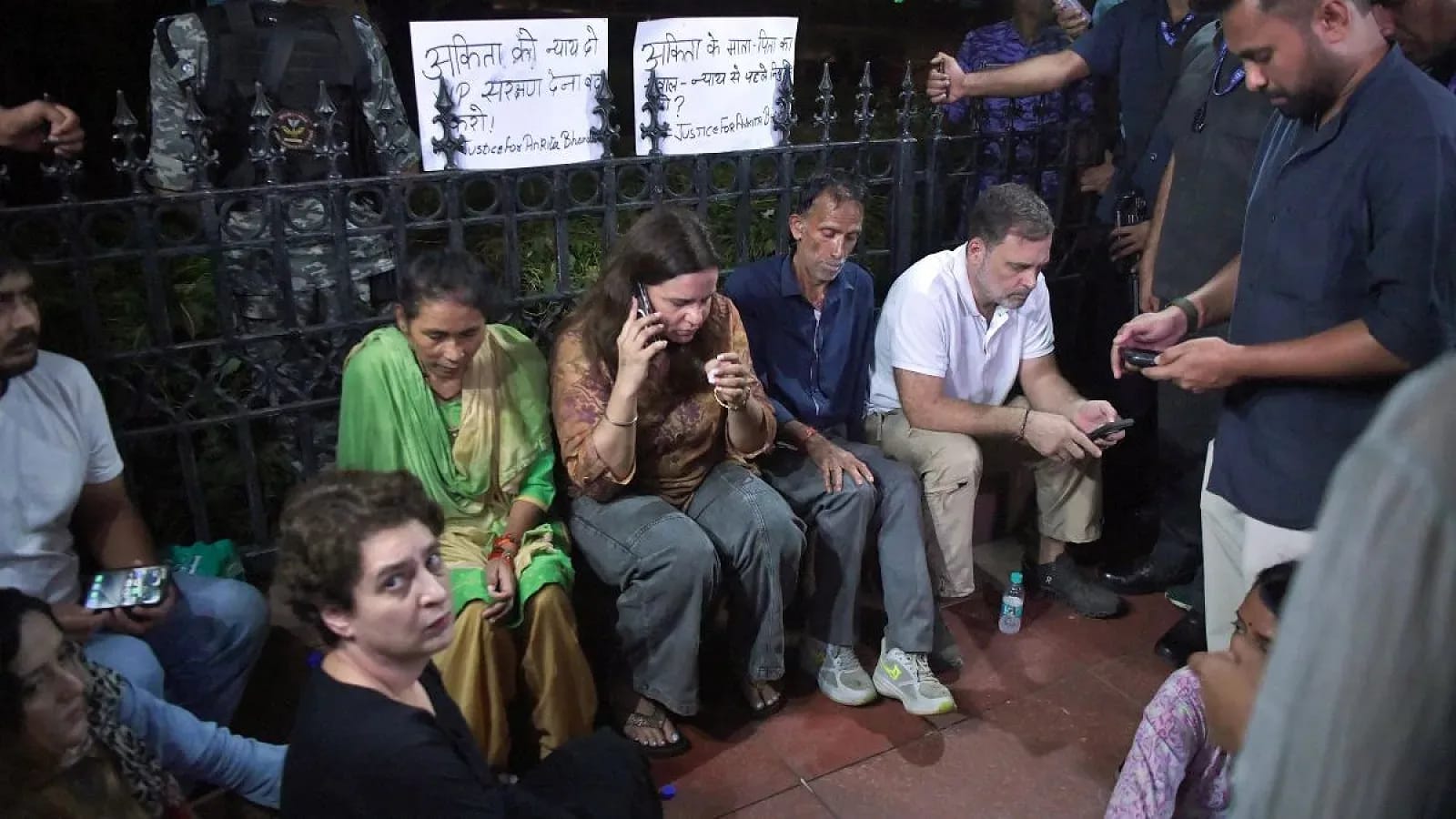
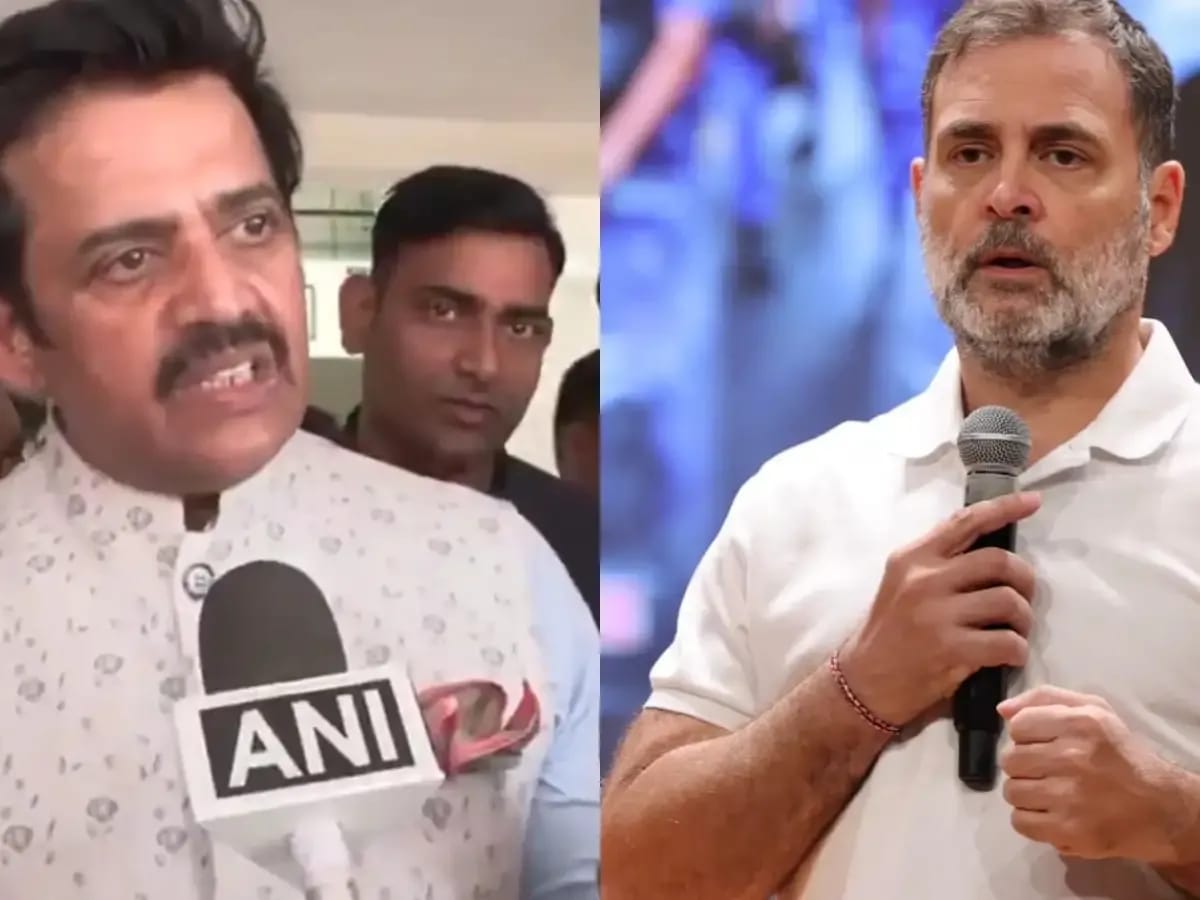
Congress leader and Leader of Opposition in the Lok Sabha Rahul Gandhi criticised the decision to send the two CJP leaders to judicial custody.
Gandhi argued that peaceful protest involving the national flag should not be treated as a crime and expressed support for citizens demanding their constitutional rights. His remarks connected the arrests to the wider opposition campaign over the functioning of electoral institutions and the SIR exercise.
Jantar Mantar Restrictions and the Right to Protest
Jantar Mantar has historically served as a prominent location for public demonstrations in the national capital. However, authorities have said the site is no longer a designated protest venue following legal and administrative developments, with alternative locations identified for demonstrations.
The restrictions have become a point of contention between protest organisers and the authorities. Opposition groups argue that access to appropriate public spaces is essential for democratic expression, while police have cited legal restrictions and public-order considerations.
SIR Controversy Continues to Drive Opposition Mobilisation
The CJP demonstration was linked to demands for the resignation of Chief Election Commissioner Gyanesh Kumar and opposition criticism of the Special Intensive Revision of electoral rolls.
Opposition parties have questioned aspects of the revision process, raising concerns about voter eligibility, deletions and electoral transparency. The Election Commission and the BJP have defended the exercise, arguing that electoral rolls must be updated to remove duplicate and ineligible entries.
What Happens Next?
The five-day judicial custody order places the immediate focus on the next legal proceedings involving Ranka and Das. The case is also likely to remain part of the wider political debate over protest restrictions and the SIR controversy.
The CJP has signalled that it intends to continue its campaign, while opposition leaders have called for greater protection of peaceful dissent. Further proceedings will determine the next steps in the legal matter.
Sources: The Indian Express, The Wire, India Today and Reuters, October 14–15, 2026.

Join the discussion
Comments (0)