
SIR Protests, Congress–CJP Ties and UP Polls Put BJP Under Pressure
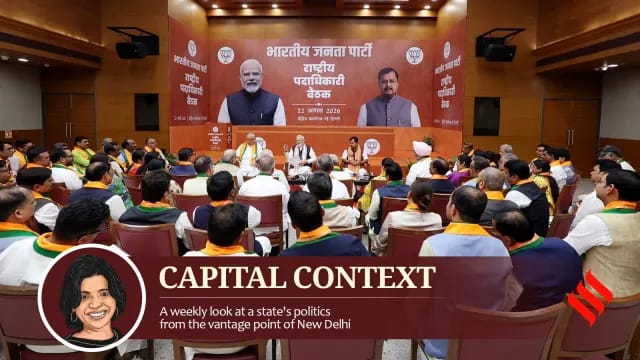
New Delhi, October 15, 2026: The Bharatiya Janata Party (BJP) is facing a challenging political environment as opposition parties step up their protests over the Special Intensive Revision (SIR) of electoral rolls and strengthen their public coordination. The developments come ahead of crucial Assembly elections in Uttar Pradesh and Punjab, where economic concerns and political alliances are likely to remain important issues in the public debate.
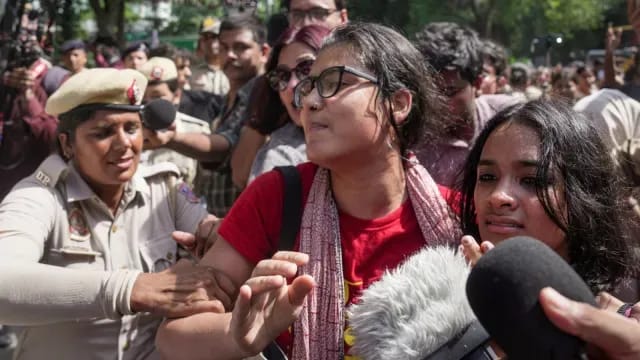
According to a report by The Indian Express, several BJP leaders acknowledge that the growing youth protests cannot be understood solely through the controversy surrounding Chief Election Commissioner Gyanesh Kumar or the electoral roll revision exercise. Concerns over inflation, unemployment and rural distress are also contributing to public dissatisfaction.
SIR Protests Give Opposition Parties a Common Platform
The controversy surrounding the SIR exercise has provided opposition parties with a common issue around which to mobilise supporters. Opposition leaders have questioned aspects of the electoral roll revision process and raised concerns about electoral transparency.
The protests targeting Chief Election Commissioner Gyanesh Kumar have also become part of a wider political confrontation between the BJP and opposition parties. The opposition has sought to connect electoral concerns with broader questions about democratic institutions and accountability.
For the BJP, the challenge extends beyond responding to criticism of the Election Commission. The growing political attention surrounding the protests has created an additional test of its communication strategy and its ability to address public concerns.
Congress and CJP Develop Closer Political Ties
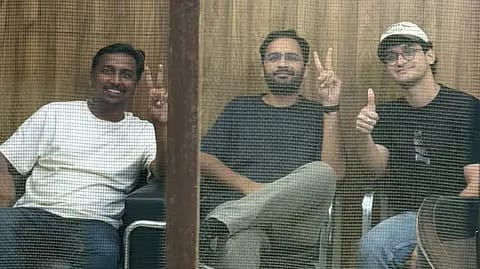
Another development highlighted in the report is the growing public association between the Congress and the Cockroach Janta Party (CJP) during the protests.
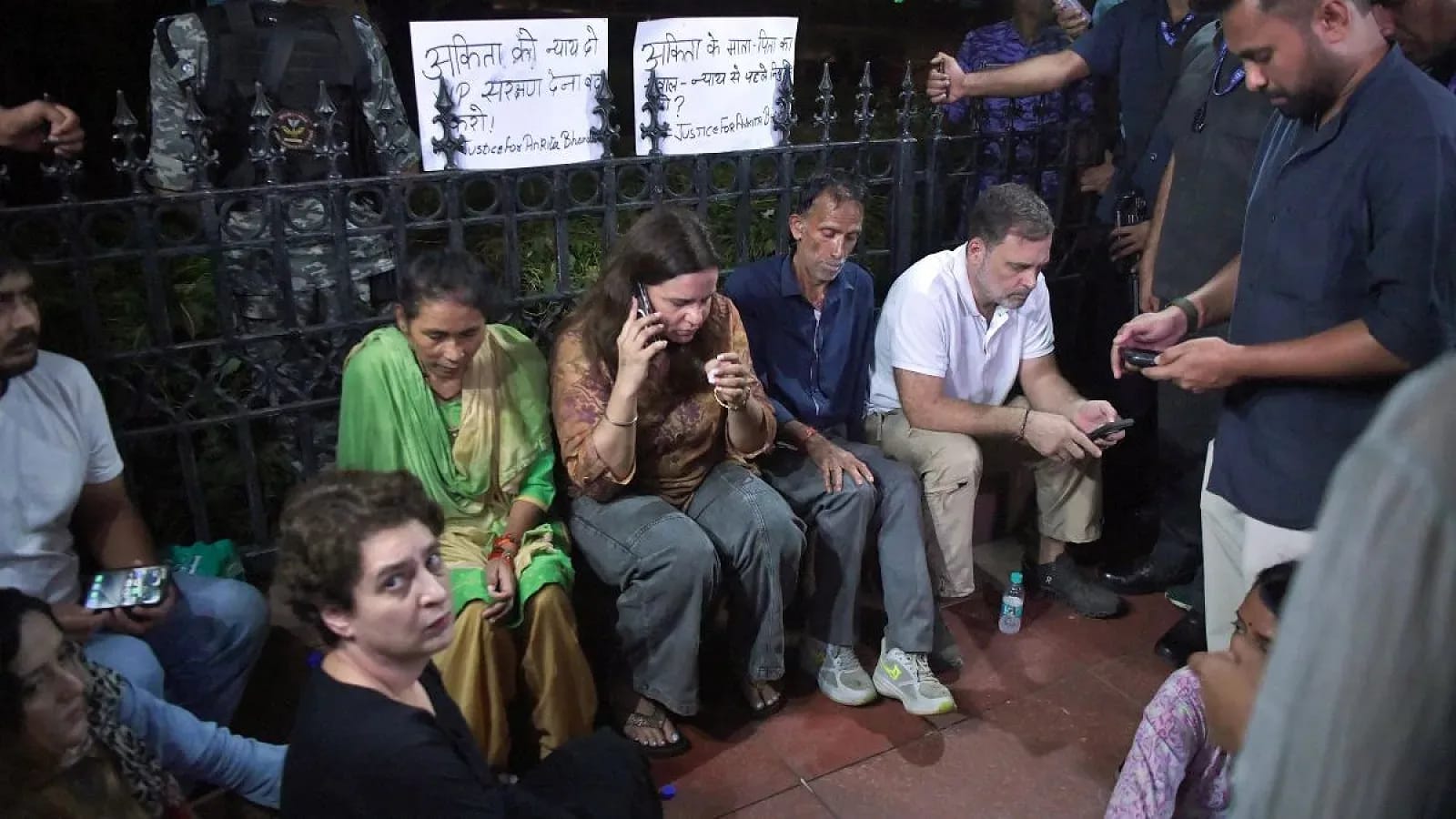
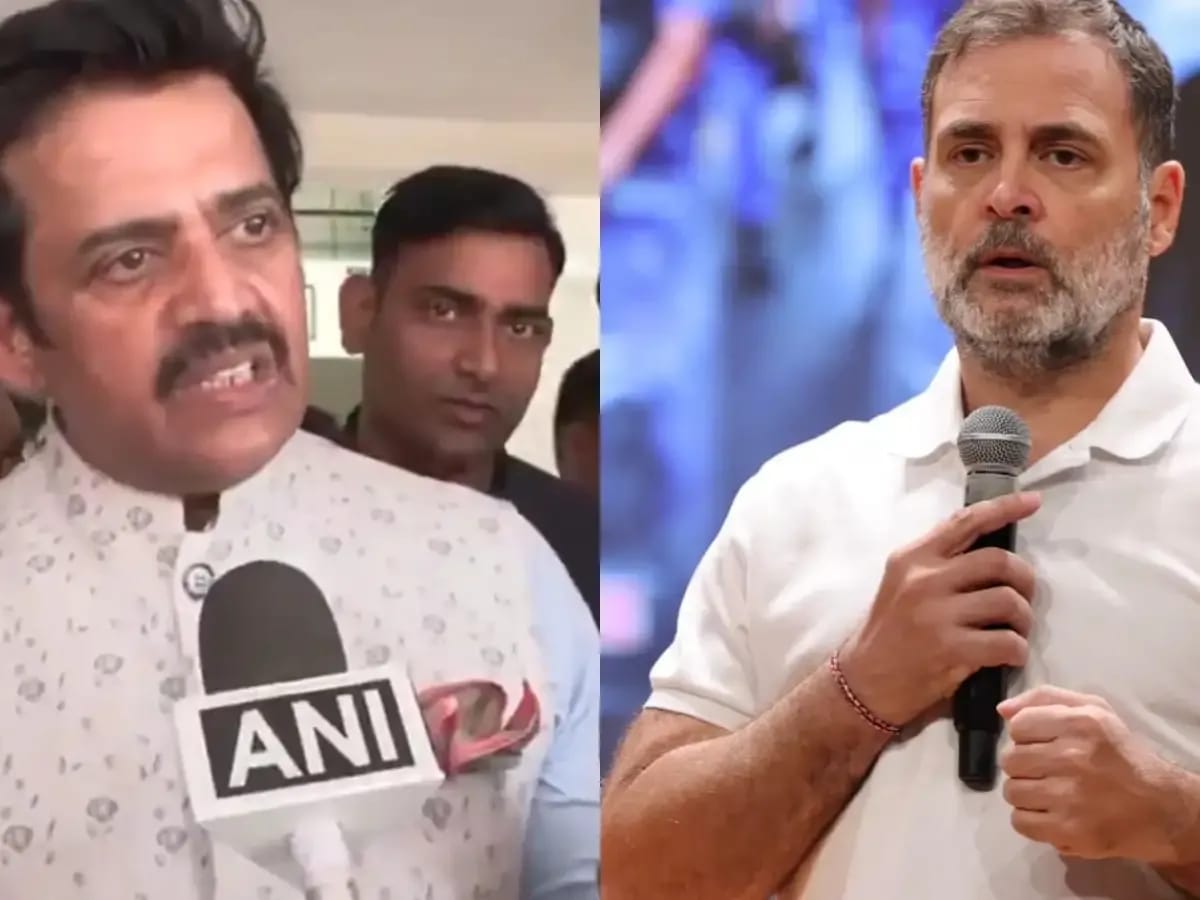
Congress leader Rahul Gandhi has expressed support for CJP leaders facing legal proceedings connected to demonstrations. The interaction has drawn attention to the possibility of cooperation between political groups that may not traditionally share the same organisational background.
Such public engagement can help opposition groups coordinate around specific issues, even when their broader political priorities differ. However, the long-term implications of this association will depend on whether cooperation extends beyond individual protests.
For the BJP, the emergence of common platforms among opposition groups adds another dimension to the political contest ahead of the next round of Assembly elections.
Uttar Pradesh and Punjab Elections in Focus
Uttar Pradesh and Punjab are among the states expected to attract considerable political attention as the next Assembly election cycle approaches.
In Uttar Pradesh, the BJP will face scrutiny over its governance record, employment opportunities and economic concerns, while opposition parties will seek to consolidate their support and present their own policy priorities.
Punjab presents a different political landscape, with its own debates around agriculture, employment, public finances and competing party strategies. Developments at the national level may influence political messaging, but state-specific issues and leadership will also be important.
The SIR controversy and opposition coordination could therefore form part of a broader national political narrative, although their electoral impact cannot be determined in advance.
BJP's Challenge: Addressing Multiple Sources of Discontent
The emerging situation presents the BJP with several issues to address simultaneously: opposition criticism of electoral processes, the public visibility of protests, economic concerns and the prospect of closer coordination among political rivals.
Responding to these challenges requires distinguishing between disagreements over electoral procedures and wider socioeconomic grievances. The public debate is not limited to one institution or one protest, according to the political assessment described in the report.
For the opposition, the challenge will be to sustain cooperation and translate shared concerns into a coherent political agenda. For the BJP, the focus will be on defending its record, responding to criticism and addressing issues that matter to voters.
As the Assembly election cycle approaches, the interaction between electoral controversies, economic concerns and opposition coordination will remain an important part of India's political debate.
Source: Liz Mathew, The Indian Express, updated October 15, 2026.
Editorial note: This article is based on the supplied report and presents the political assessments as attributed analysis. It does not predict election outcomes or assume that protests necessarily translate into changes in voter preferences.
Join the discussion
Comments (0)