
Neha Bora’s Prominence at Opposition Protest Sparks Debate Within Congress
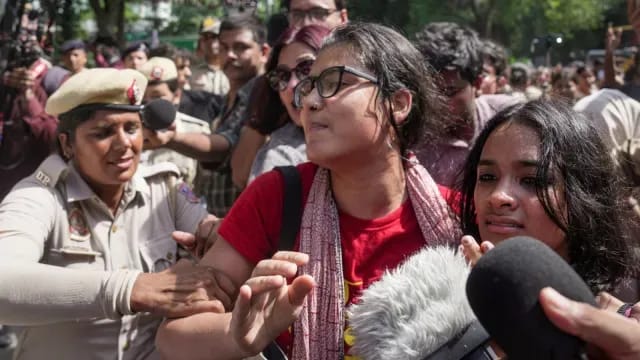
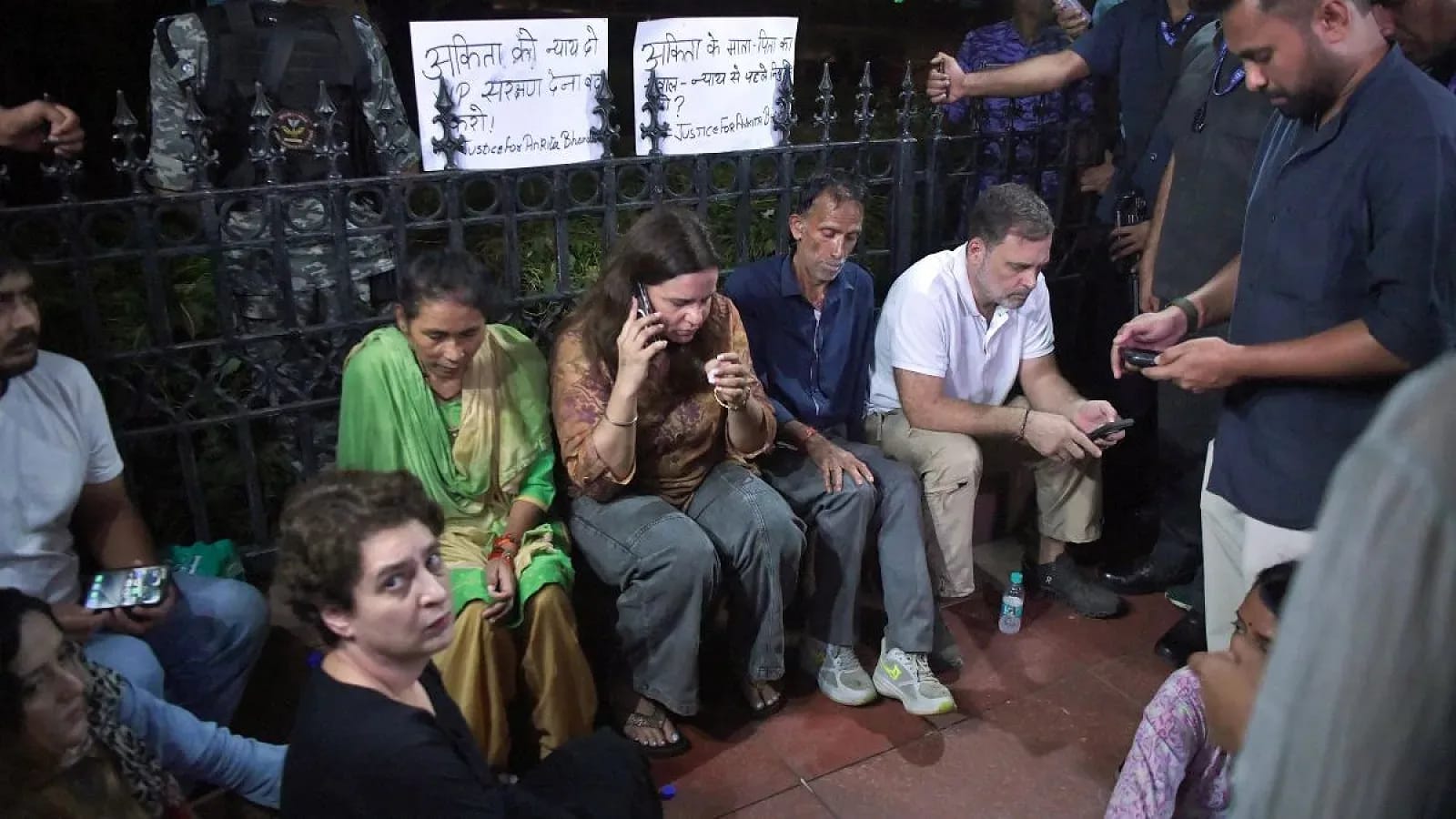
New Delhi, October 15, 2026: The prominent presence of All India Students’ Association (AISA) national president Neha Bora alongside Congress leaders Rahul Gandhi and Priyanka Gandhi Vadra during the Opposition’s March for Democracy has sparked discussion within the Congress, with some party members questioning the political implications of the attention given to a leader from a rival student organisation.
The march, which brought opposition leaders and student activists together during protests concerning electoral democracy and the Election Commission, provided a platform for a wider show of opposition unity. However, the visibility of Bora alongside the Gandhi siblings has reportedly prompted concerns among sections of the Congress’s student wing, the National Students’ Union of India (NSUI).
Why Neha Bora’s Presence Has Become a Talking Point
According to a report published by The Indian Express, some NSUI members were uncomfortable with the prominence Bora received during the protest. AISA is a student organisation associated with the Communist Party of India (Marxist-Leninist) Liberation, while NSUI is affiliated with the Congress.
Some Congress student leaders reportedly felt that the visibility given to Bora overshadowed their own organisation during an event in which the Congress played a prominent role. The episode has therefore raised questions about how the party balances its own organisational identity with its participation in broader opposition campaigns.
The reported concerns also reflect the competitive dynamics between student organisations that share some political causes but maintain separate identities, leadership structures and constituencies.
Congress and the Left: Balancing Unity and Political Identity
The Congress has worked with Left parties and other opposition groups through the INDIA bloc to coordinate responses to the BJP-led National Democratic Alliance. Such cooperation brings together organisations with different political traditions and ideological priorities.
The presence of AISA representatives at a joint protest can be viewed as part of that broader effort to bring together diverse opposition voices. At the same time, the reported reaction within NSUI highlights the organisational questions that may arise when activists from different parties receive similar public visibility.
For Congress, the challenge is to sustain cooperation with its allies while maintaining the identity and influence of its own party organisations. The debate is particularly relevant to student politics, where visibility at demonstrations can affect perceptions of leadership and political relevance.
Does the Strategy Broaden Congress’s Reach?
The episode has prompted a wider question about whether sharing the political spotlight with leaders from other opposition organisations can help Congress reach new audiences or create concerns among its existing supporters.
Supporters of broad opposition coordination may see the participation of student activists from different ideological backgrounds as a way to demonstrate unity on democratic and electoral issues. Others may worry that the Congress risks weakening the visibility of its own cadre if its affiliated organisations are not adequately represented.
These are competing political considerations rather than established conclusions about the effects of the protest. The available report describes internal reactions and questions; it does not establish that the episode has caused a measurable loss of support for Congress or NSUI.
What It Means for Opposition Politics
The March for Democracy illustrates how opposition protests can serve two purposes: presenting a united front against the government and providing a platform for different organisations to establish their own political presence.
Rahul Gandhi and Priyanka Gandhi Vadra’s participation alongside student leaders from different backgrounds reinforced the public image of a broad coalition. However, the reported response within NSUI suggests that the distribution of visibility remains a sensitive issue for organisations participating in such events.
Whether this approach strengthens cooperation among opposition groups or generates further internal debate will depend on how the Congress manages its alliances and communicates the role of its affiliated organisations.
For now, Neha Bora’s appearance alongside the Gandhi siblings has opened a discussion about political strategy, student leadership and the balance between coalition-building and organisational identity within the opposition.


Join the discussion
Comments (0)