
Women’s Political Representation in India: Understanding Participation Beyond Seat Counts
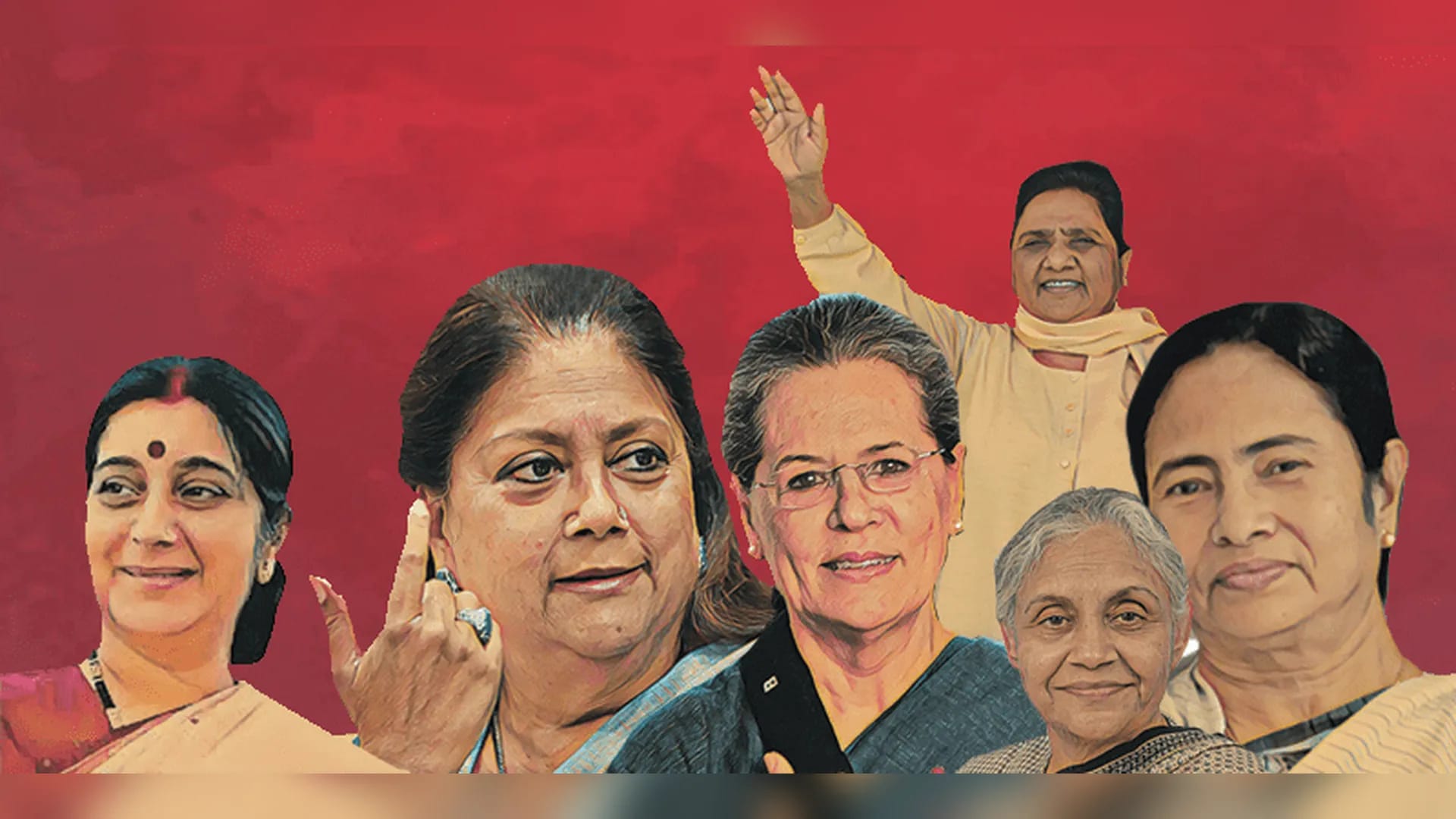
Women’s participation is an important part of India’s democratic system. Representation can be measured by the number of women elected to public office, but meaningful participation also involves opportunities to contest elections, access campaign resources and contribute to political decision-making.
India’s experience differs across local government, state legislatures and Parliament. Constitutional provisions have created opportunities for women to enter local institutions, while representation in higher legislatures remains a separate area of political debate.
The role of local government
The 73rd and 74th Constitutional Amendments established a framework for elected rural and urban local bodies. They also introduced provisions reserving at least one-third of directly elected seats in these institutions for women, including seats reserved for women belonging to Scheduled Castes and Scheduled Tribes.
Several states have introduced higher levels of reservation in local government. These arrangements have created opportunities for women to serve as panchayat members, village-level leaders and municipal representatives.
Local representatives may participate in decisions involving sanitation, water services, local infrastructure and community development, depending on the responsibilities assigned under state law. Their ability to influence these areas also depends on available funding, administrative support and the powers of the institution.
Representation in Parliament and state assemblies
The Constitution (106th Amendment) Act, 2023, commonly known as the Nari Shakti Vandan Adhiniyam, provides for one-third reservation for women in the Lok Sabha and state legislative assemblies, including the specified reserved-seat categories. The Act links implementation to a future census and delimitation process.
The passage of a constitutional amendment and the commencement of its reservation provisions are distinct matters. Readers should consult the legal text and official government updates when assessing implementation timelines.
Why participation involves more than numbers
Political parties select candidates, organise campaigns and distribute resources. The number of women nominated by a party can affect how many have an opportunity to contest, although nomination alone does not determine election results.
Candidates may face practical barriers involving fundraising, campaign networks, safety, media attention and access to party leadership. Experiences differ according to region, social background, economic circumstances and the political organisation involved.
Increasing representation therefore involves examining whether elected representatives can participate in debates, access relevant information and perform their responsibilities effectively. The number of seats is an important measure, but it does not reveal every aspect of participation.


Join the discussion
Comments (0)