Punjab Assembly Passes Resolution Seeking Probe Against CEC Gyanesh Kumar Over Electoral Irregularities

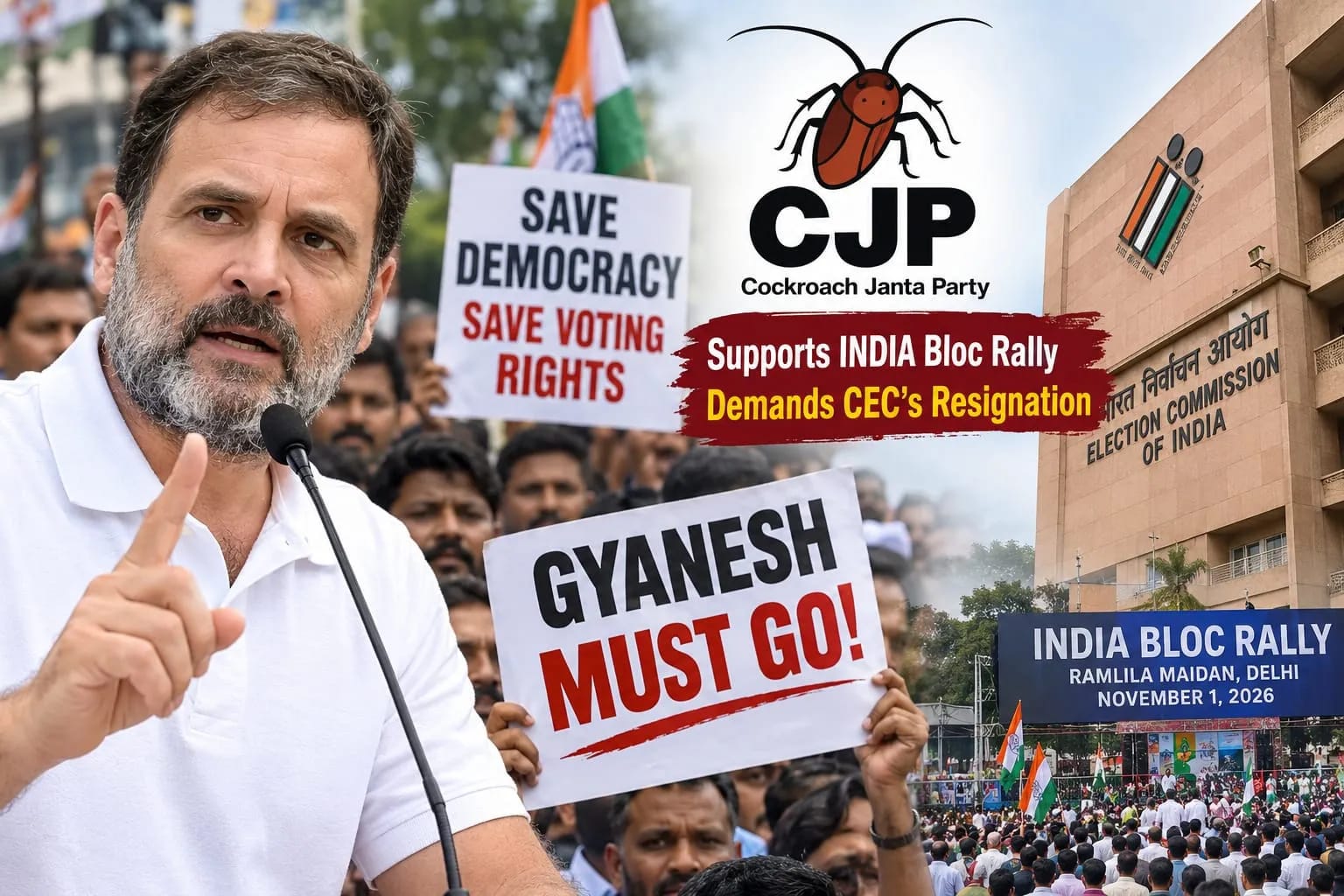
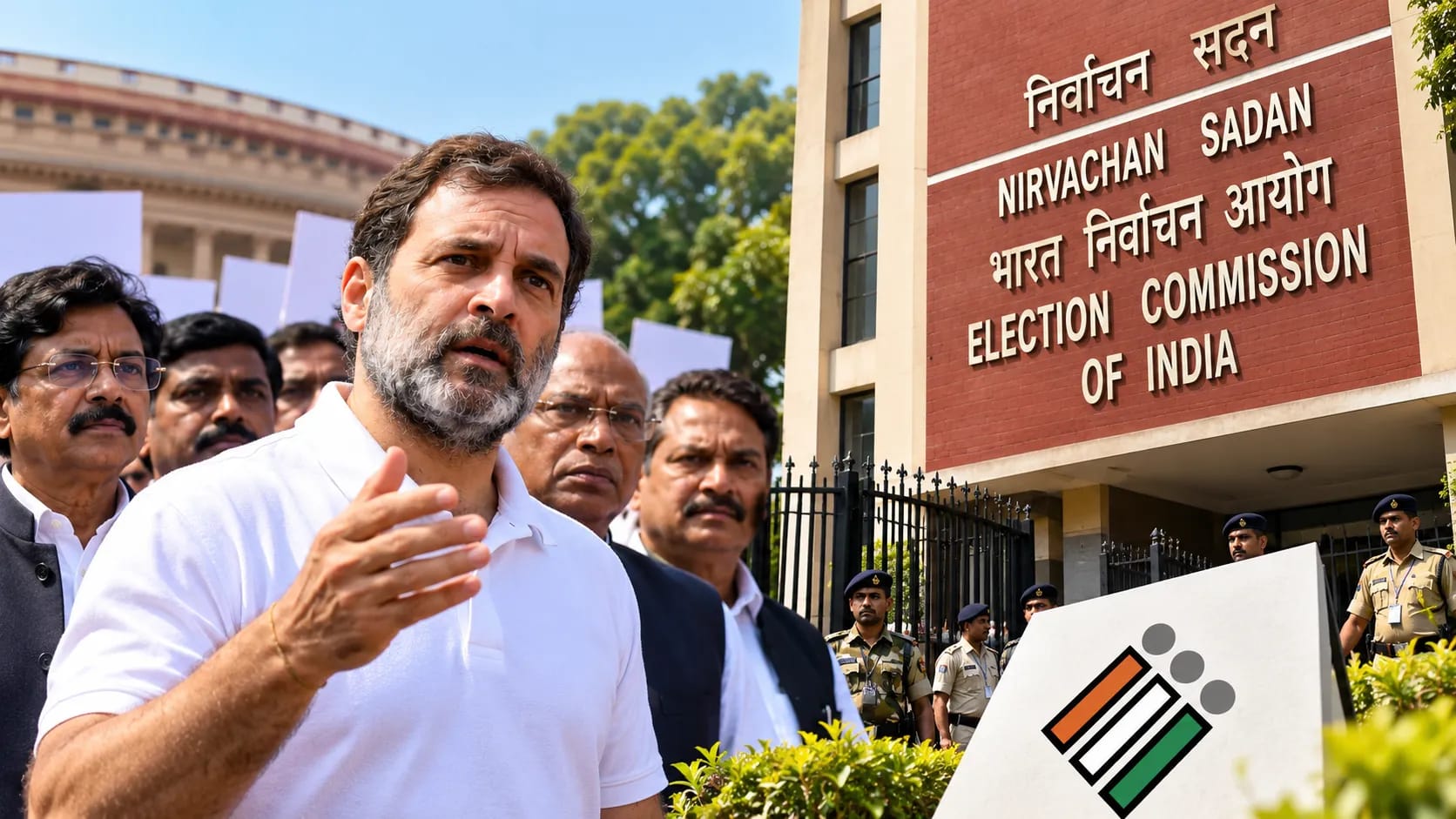
The Punjab Legislative Assembly has passed a resolution seeking an independent and impartial investigation into alleged irregularities in electoral processes and voter lists under Chief Election Commissioner (CEC) Gyanesh Kumar. The resolution was adopted on October 23, 2026, during the special session of the Punjab Assembly in Chandigarh.
The resolution was moved by Punjab Finance Minister Harpal Singh Cheema amid growing political controversy over the Special Intensive Revision (SIR) of electoral rolls and allegations that eligible voters were being removed from voter lists.
The development has brought the Election Commission's functioning and the protection of voting rights into the centre of Punjab's political debate.
Resolution Calls for Independent Investigation
The resolution demanded the establishment of an independent, impartial and credible investigative mechanism to examine alleged irregularities in electoral processes and voter lists.
It also called for accountability to be fixed if wrongdoing is established. The resolution stated that criminal proceedings should be initiated under applicable laws if concrete evidence of criminal violations emerges during the investigation.
It further appealed to the Central Government and relevant constitutional authorities to ensure the independence, impartiality and accountability of the Election Commission of India.
A copy of the resolution was to be forwarded to the President of India, the Prime Minister and the Chief Election Commissioner.
Bhagwant Mann Raises Concerns Over SIR
Chief Minister Bhagwant Mann strongly criticised the BJP-led Central Government during the Assembly discussion. He alleged that the Special Intensive Revision of electoral rolls was being used to remove voters supporting opposition parties.
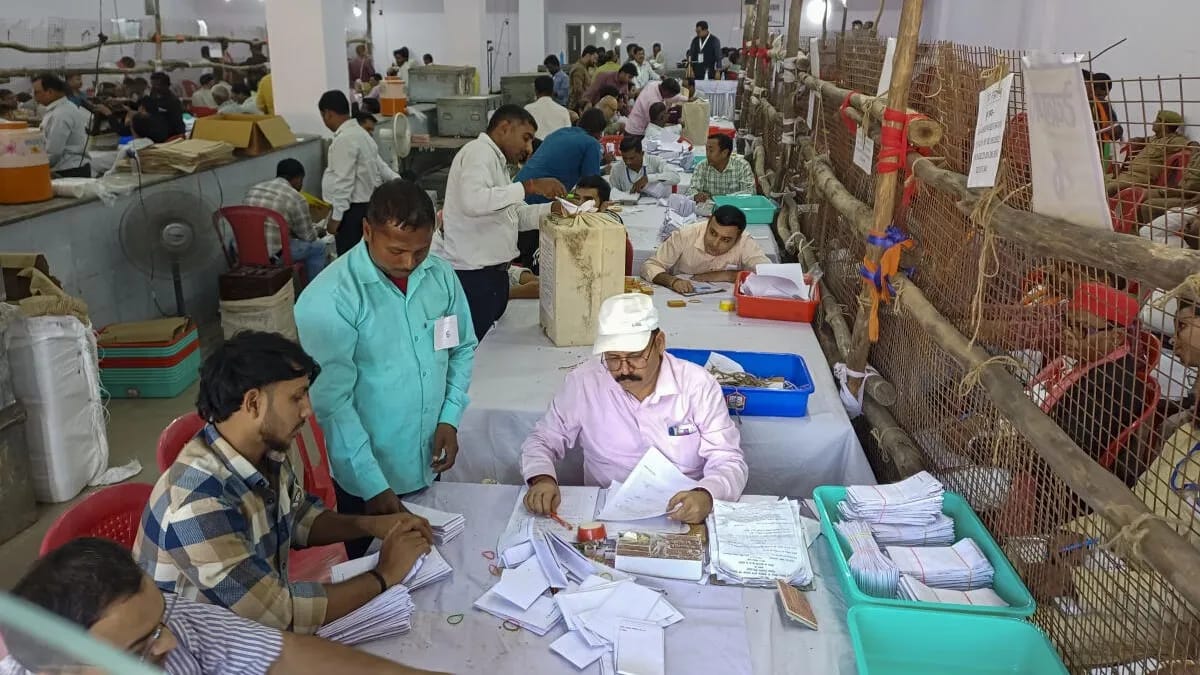
Mann claimed that approximately 14 crore names had been removed from electoral rolls across the country under the SIR exercise. He described alleged voter deletions as a serious threat to democracy and demanded that the revision exercise be scrapped.
These figures and allegations were raised by the Chief Minister during the Assembly debate and should be understood as his claims, not as independently established findings.
Harpal Singh Cheema Questions Election Commission's Accountability
While introducing the resolution, Finance Minister Harpal Singh Cheema argued that every eligible citizen must be able to exercise the constitutional right to vote.
Cheema alleged that electoral irregularities and voter deletions had raised serious questions about the transparency and impartiality of the electoral process.
He called for an independent investigation to establish the facts and determine responsibility wherever violations were found.
Resolution Passed Without Congress and BJP MLAs Present
The resolution was passed by voice vote and described as unanimous among the members present in the House.
However, the political circumstances surrounding the vote were significant. Congress and BJP legislators were absent when the resolution was adopted. Two rebel Shiromani Akali Dal MLAs, a Bahujan Samaj Party legislator and an Independent MLA were among those present and supporting the resolution.
The Indian Express reported that this was the first time a state legislative Assembly had passed such a resolution against Chief Election Commissioner Gyanesh Kumar.
Opposition and Election Commission Accountability Debate
The resolution has added another dimension to the political confrontation between the Aam Aadmi Party government in Punjab and the BJP-led Centre.
The AAP leadership has questioned the conduct of electoral-roll revisions, while the BJP and other political parties have their own positions on the Election Commission and the SIR exercise.
The controversy also reflects a wider national debate about voter-list accuracy, electoral transparency and the independence of constitutional institutions.
What Happens Next?
The resolution has called for an independent investigation, but its passage does not itself establish that electoral wrongdoing occurred or determine the personal responsibility of the Chief Election Commissioner.
The next steps will depend on the response of the relevant constitutional authorities and whether an independent investigative mechanism is established.
For Punjab's political parties, the issue is likely to remain important as the state approaches the 2027 Assembly elections. Voter-list accuracy, electoral transparency and the right to vote are expected to remain prominent subjects of political debate.

Join the discussion
Comments (0)