India's Youth Protests Put Modi Government Under Pressure: Unemployment, Exam Controversies and Gen Z Demands Take Centre Stage
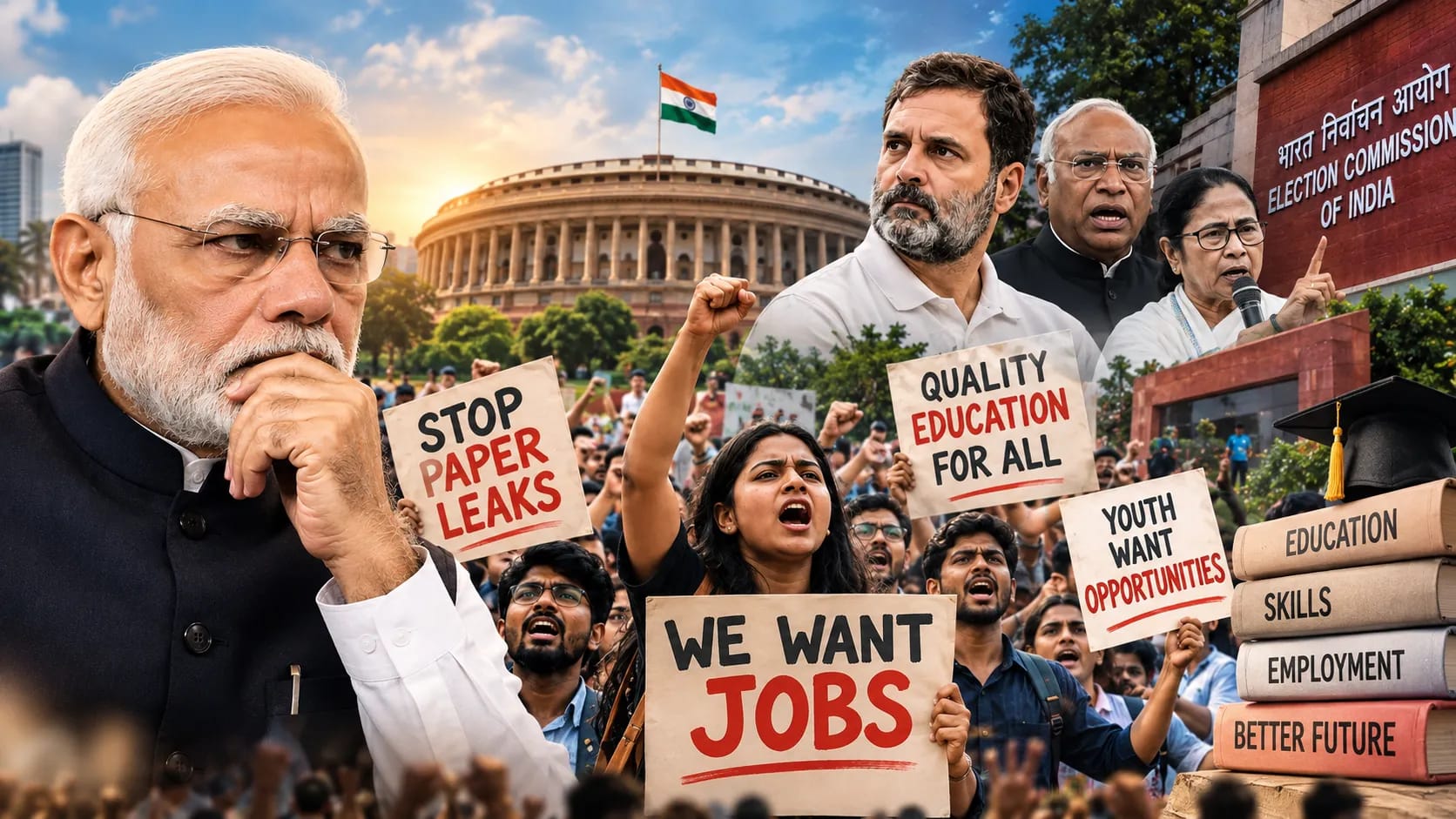
Youth Protests Bring a New Dimension to India's Political Debate
India's political debate is witnessing a developing phase in which young people are increasingly raising questions about employment, education, examination systems and government accountability. The protests associated with the Cockroach Janta Party (CJP) have brought several of these concerns into wider public discussion.
The developments have attracted attention because the demands being raised by young protesters extend beyond traditional political disagreements. While opposition parties are concentrating on the Election Commission and Chief Election Commissioner Gyanesh Kumar, the youth movement has focused on issues such as examination-related controversies, unemployment, inflation and concerns about the functioning of public institutions.
The distinction between these two political developments is important. The Congress-led opposition campaign has a specific focus on electoral administration, whereas the CJP movement has emerged around a broader set of concerns affecting students and young citizens.
Cockroach Janta Party Emerges as a Platform for Youth Concerns
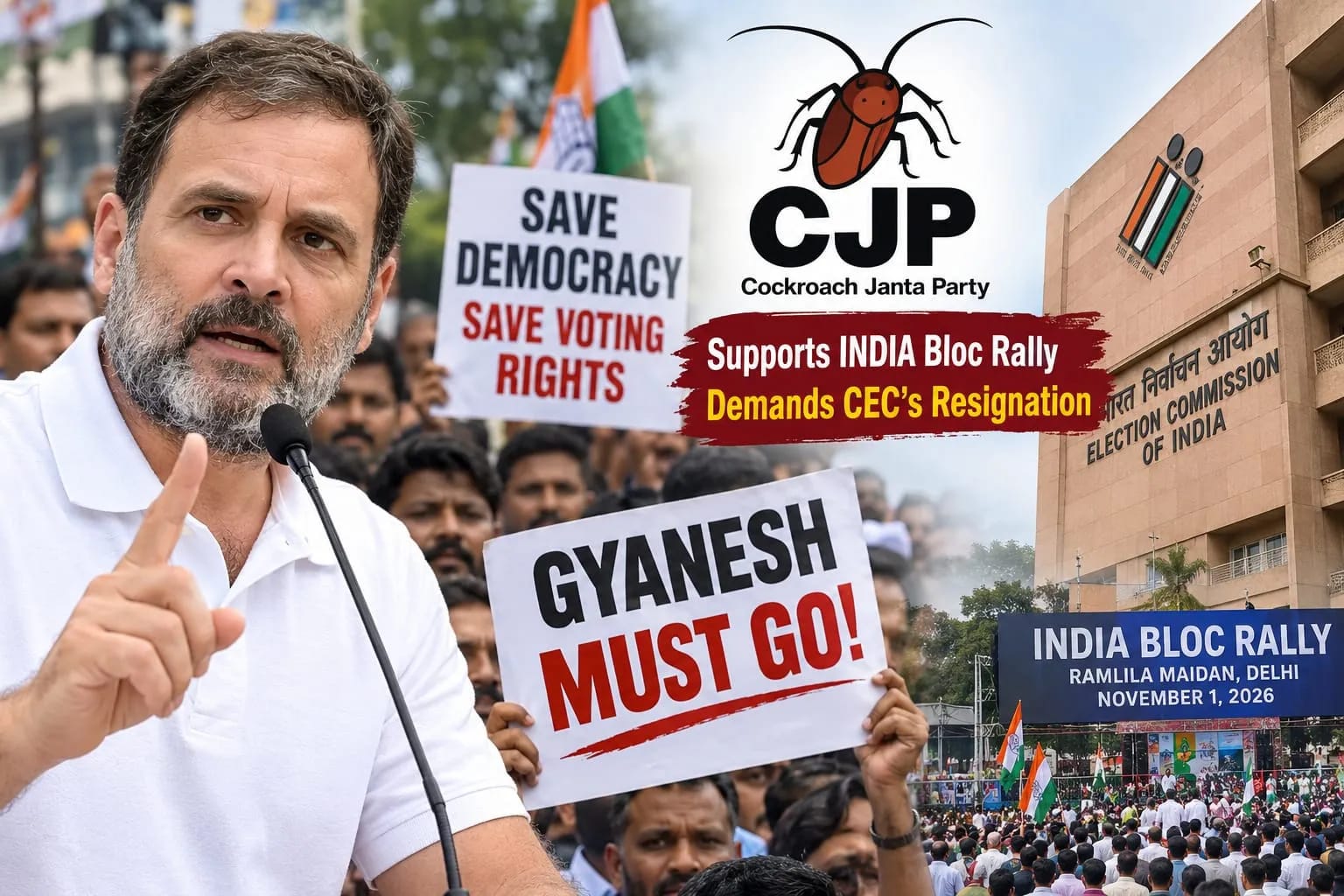
The Cockroach Janta Party has become a prominent name in the ongoing discussion surrounding youth dissatisfaction in India.
The organisation emerged in May 2026, using humour and social media to draw attention to issues affecting unemployed young people and students. Its name was connected to a controversial comparison involving unemployed youth that became a subject of public discussion.
The movement's founder, Abhijeet Dipke, presented the initiative as a platform for bringing young people's concerns into political conversations.
Its activities also highlighted the importance of issues that are often central to young people's everyday lives but may receive less attention during conventional political campaigns.
These include:
Access to secure and meaningful employment.
Fair and transparent recruitment examinations.
Accountability for examination-related irregularities.
Affordable and accessible education.
Action against corruption.
Greater transparency in public institutions.
Opportunities for young people to participate in policymaking.
Unemployment Remains a Major Concern for Young Indians
Employment opportunities remain among the most important economic issues facing India's younger population.
Every year, large numbers of students complete school, undergraduate programmes, postgraduate degrees and professional courses. Many begin searching for government jobs, private-sector employment or opportunities to establish their own businesses.
However, the transition from education to stable employment can be challenging.
For many young job seekers, the difficulty is not simply finding any work but securing employment that provides reasonable wages, stability, professional development and opportunities for career advancement.
Examination Paper Leaks and Recruitment Controversies Increase Student Concerns
Examination-related controversies have become another important issue in the youth movement.
For students preparing for competitive examinations, a recruitment or entrance examination can represent years of preparation, financial investment and personal sacrifice.
Paper leaks, allegations of examination irregularities, delayed results and recruitment disputes can therefore create significant uncertainty among candidates.
Congress Focuses on Chief Election Commissioner Gyanesh Kumar
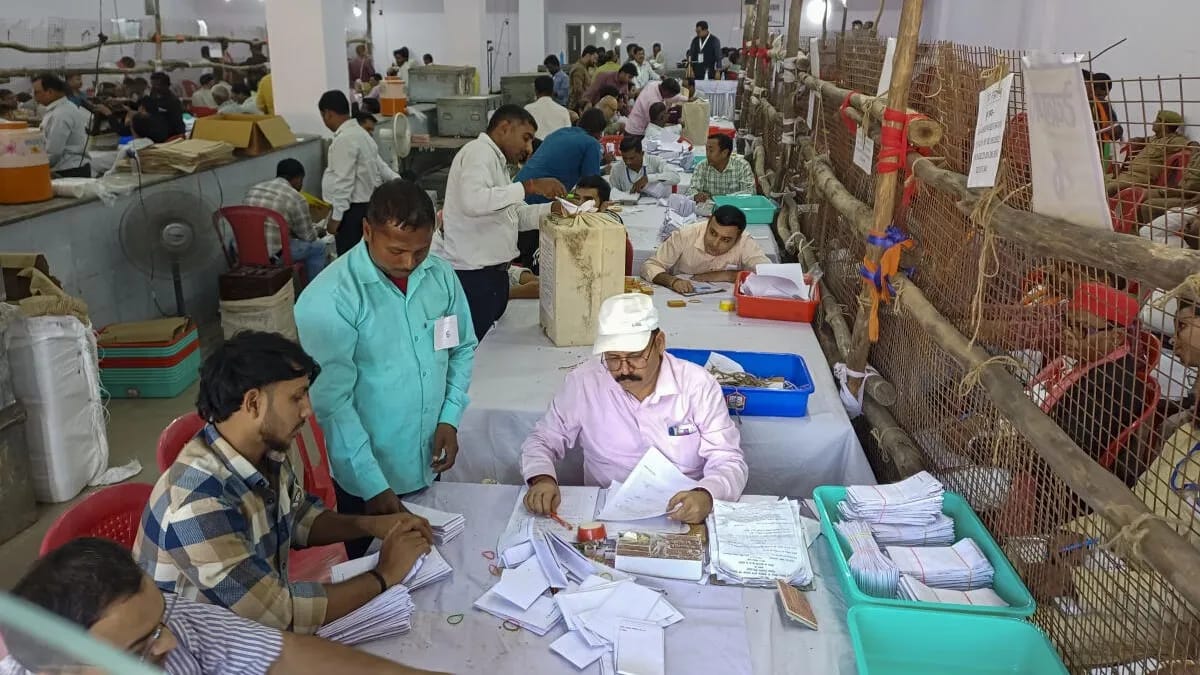
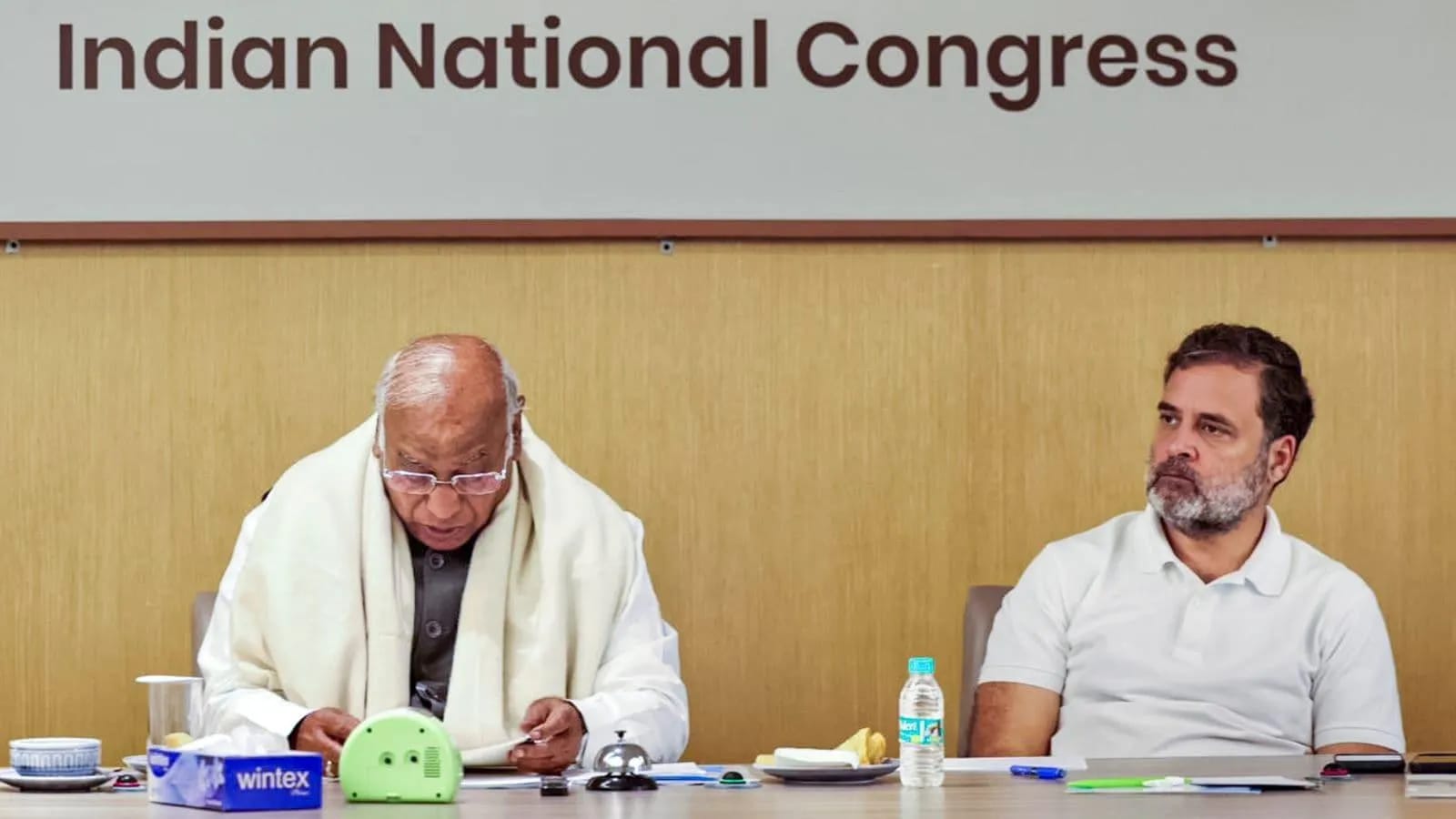
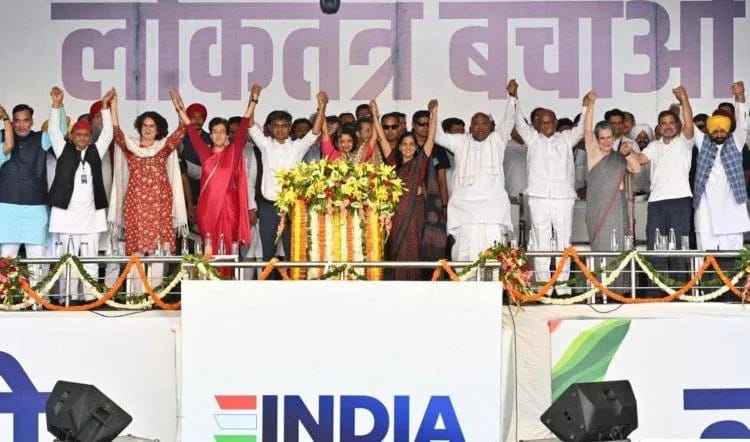
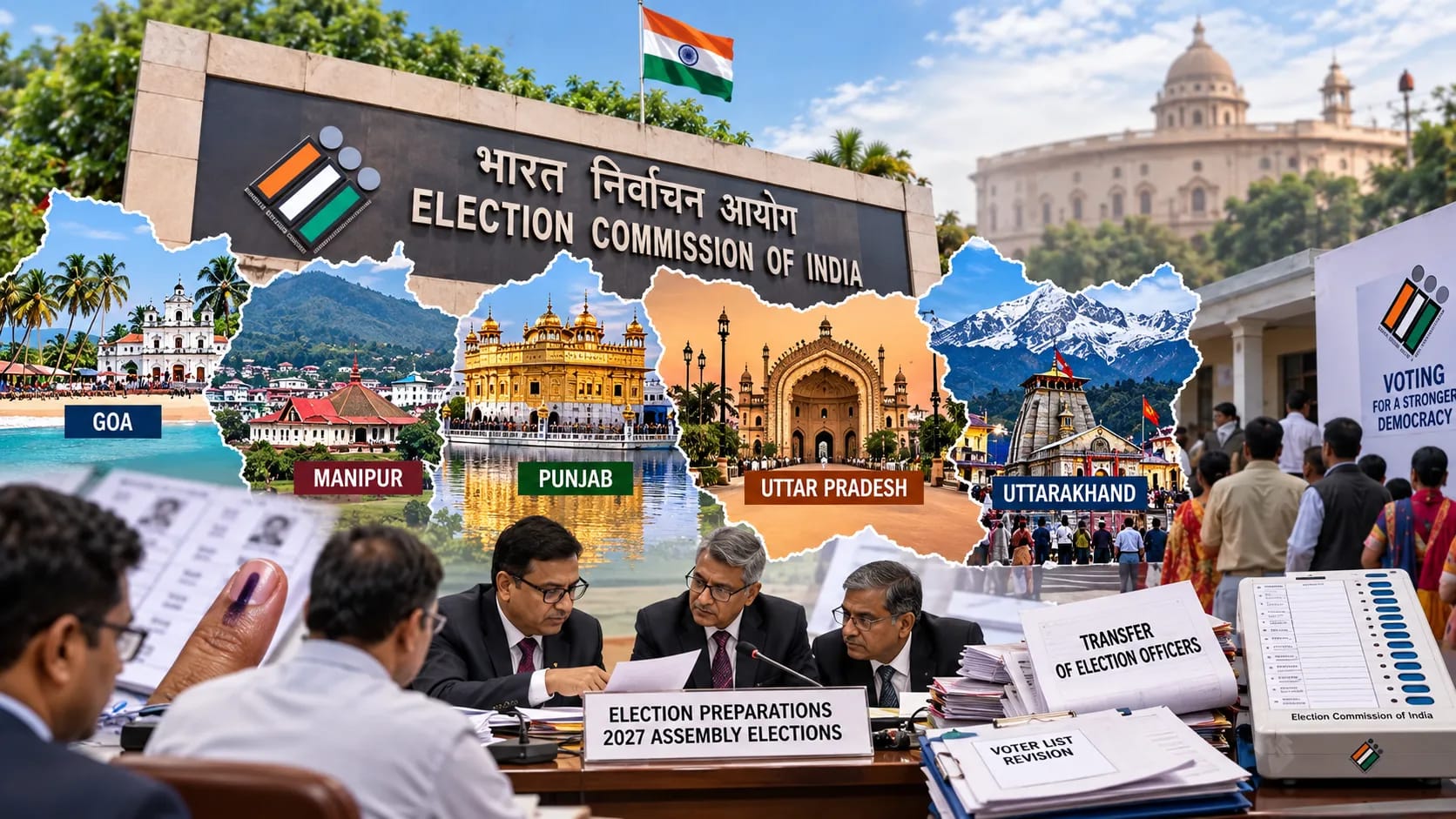
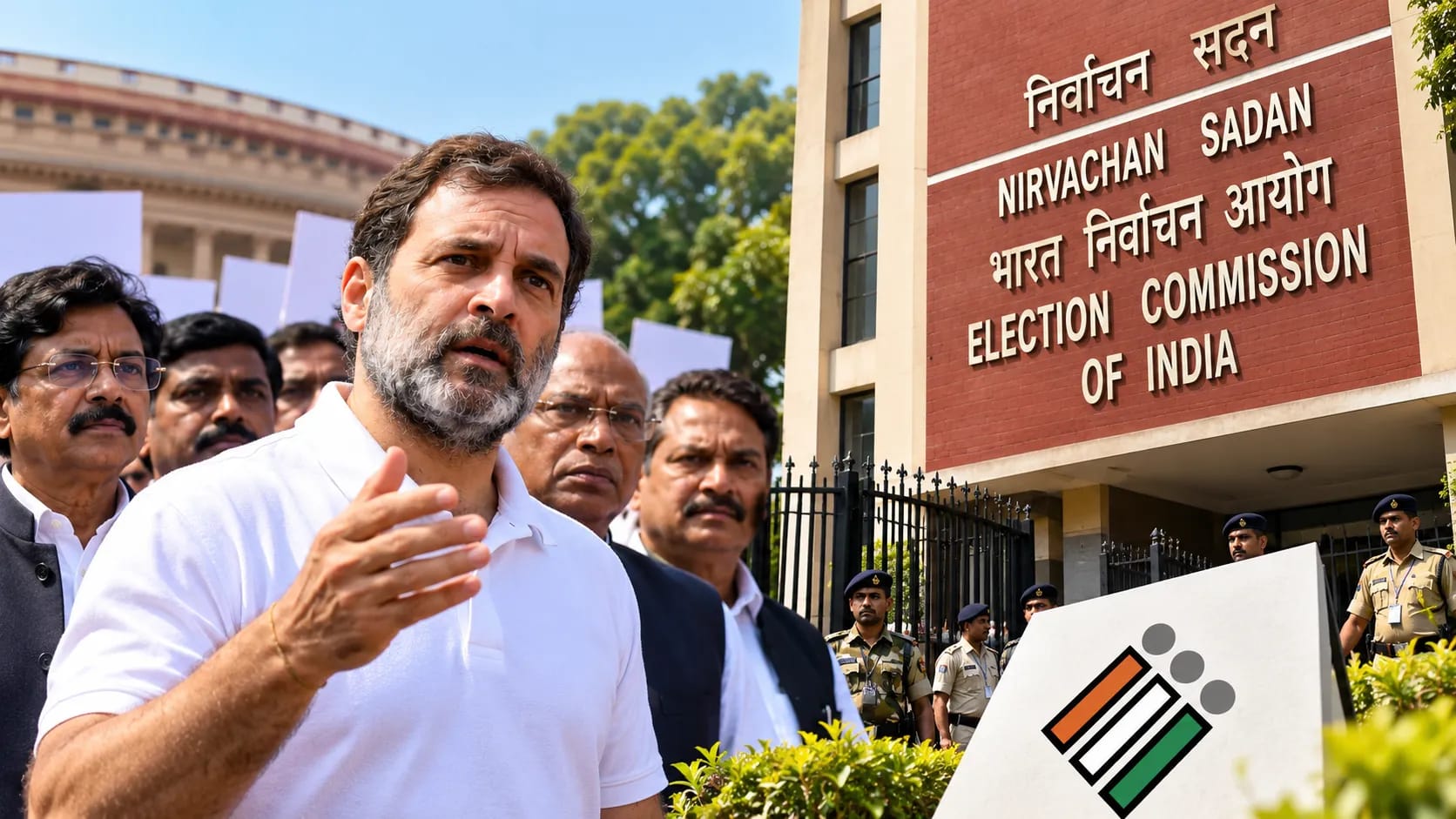
Alongside youth-led mobilisation, the Congress and other INDIA bloc parties have continued raising concerns about the functioning of the Election Commission of India.
The opposition's campaign has focused particularly on Chief Election Commissioner Gyanesh Kumar and the Special Intensive Revision (SIR) of electoral rolls.
Opposition leaders have questioned aspects of the voter-list revision process and raised allegations concerning electoral transparency and the protection of eligible voters' rights.
Social Media and Gen Z's Growing Role in Political Discussions
One of the notable features of the CJP movement is its use of digital platforms.
Young Indians increasingly use social media to discuss public policies, share information about recruitment examinations and highlight problems affecting students and job seekers.
The digital environment allows individuals from different states and educational backgrounds to participate in discussions without necessarily joining a conventional political organisation.
The CJP has used this approach to communicate its demands and build public visibility.
What Happens Next?
The coming weeks will be important for understanding how the youth movement develops and whether its demands receive further institutional and political attention.
The Congress and other opposition parties are continuing their campaign concerning the Election Commission, with a proposed rally at Delhi's Ramlila Maidan on November 1, 2026.
Join the discussion
Comments (0)