
Odisha Cabinet Approves Free Textbooks for Class IX and X Students
Odisha Cabinet Approves Free Textbooks for Class IX and X Students
The Odisha government has approved a proposal to provide free textbooks to all students in Classes IX and X studying in government and government-aided schools, extending the benefit beyond the categories previously covered by the scheme.
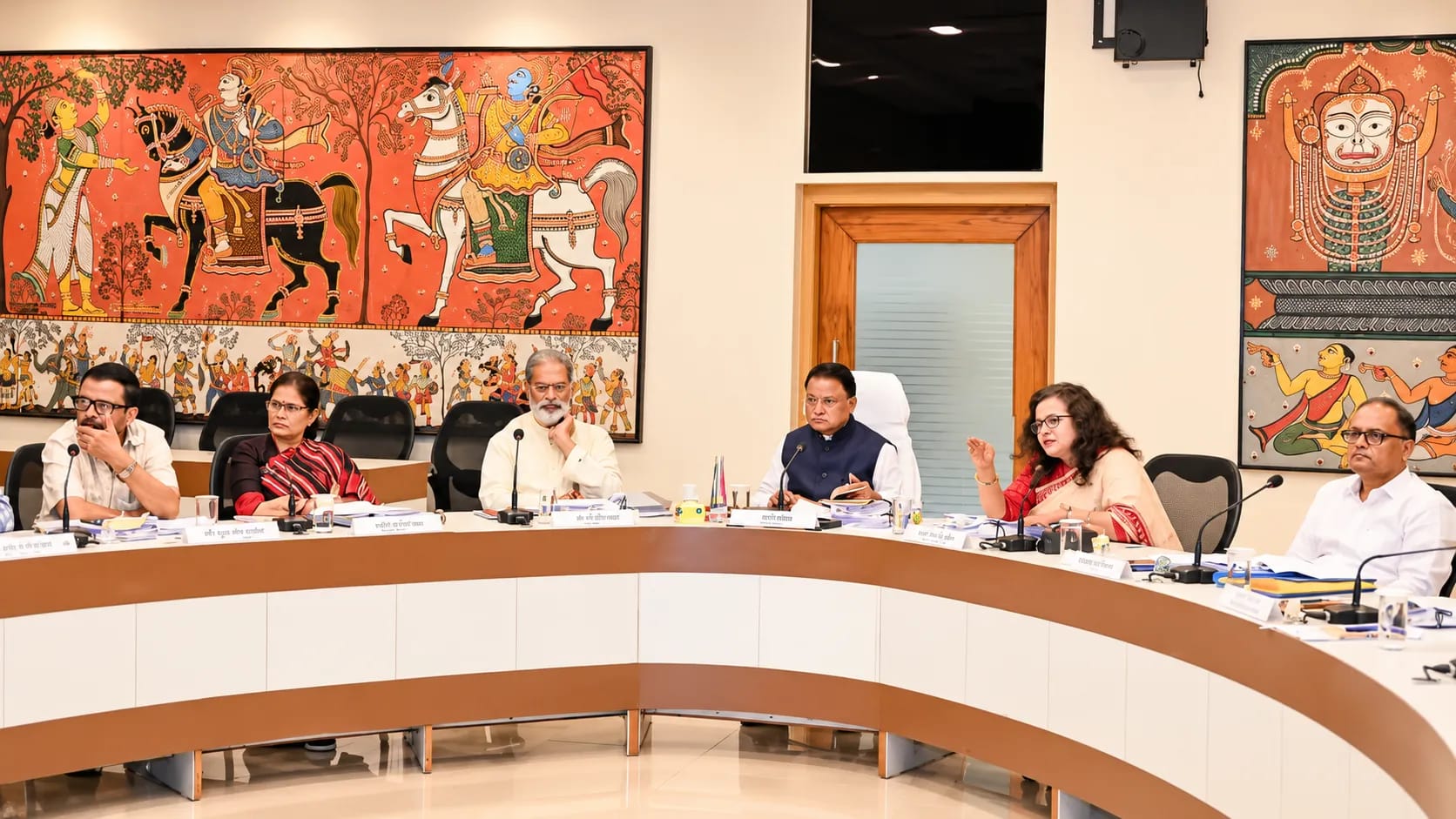
The decision was taken at a Cabinet meeting chaired by Chief Minister Mohan Charan Majhi on October 13, 2026. According to reporting by the Times of India, the programme is expected to benefit approximately 28.7 lakh students over five years and will involve an estimated expenditure of ₹284.07 crore.
The expansion means that students in the two secondary-school classes will receive textbooks irrespective of their social category. Previously, the state provided free textbooks to all students from Classes I to VIII and to Scheduled Caste and Scheduled Tribe students in Classes IX and X.
The decision concerns access to educational materials and the cost of schooling for families. Its practical impact will depend on implementation, including whether books reach schools on time and whether beneficiary records are accurate.
What the Expanded Scheme Provides
The scheme, titled Supply of Free Textbooks, is scheduled to operate from the 2025–26 academic year through 2029–30. The Cabinet approval establishes a five-year framework for extending textbook coverage to eligible secondary-school students.
Textbooks are an essential part of classroom learning, particularly when students rely on school-provided materials rather than purchasing books independently. The expansion could reduce the direct cost of educational materials for families whose children are studying in government and government-aided schools.
The state government's stated objectives include improving access to education, reducing the financial burden on households, supporting enrolment in government schools and reducing dropout rates.
However, the approval itself does not establish that these outcomes have already been achieved. Their measurement would require information on actual distribution, school attendance, enrolment and student retention over time.
Cost and Implementation Responsibilities
The scheme carries an estimated cost of ₹284.07 crore over the five-year period. The School and Mass Education Department will be responsible for procuring, printing, transporting and distributing the textbooks.
The department is also expected to establish a mechanism for collecting, verifying and validating beneficiary information. Accurate data will be important because the programme covers a large number of students across government and government-aided institutions.
Officials have said that textbooks should reach schools before the beginning of each academic session. Timely delivery is important: books arriving after classes have begun may reduce the practical benefit of a scheme intended to support learning throughout the year.
Procurement will need to comply with the applicable government rules and procedures. Transparent purchasing and proper documentation can help ensure that public funds are used for the intended purpose.
The scheme's implementation should therefore be assessed not only by its announced budget but also by the number of students who receive books, the timing of distribution and the quality of the materials supplied.
Education Policy and Government Accountability
The Cabinet decision comes amid public discussion about textbook quality in Odisha. The government had faced controversy over errors in some textbooks, with opposition parties demanding the resignation of School and Mass Education Minister Nityananda Gond.
The textbook-quality issue and the free-distribution scheme concern different aspects of education policy. One concerns access to materials, while the other concerns their accuracy and quality.
Both are relevant to the performance of the education system. Making books available without charge can reduce financial barriers, but students also need accurate, curriculum-aligned materials that are delivered on time.
The government's responsibility therefore extends beyond approving expenditure. The relevant department must ensure that textbooks are properly prepared, checked, printed and delivered to schools.
Potential Impact on Students and Families
For families with children in secondary school, the cost of textbooks can form part of the overall expense of education. A government-funded scheme may reduce that burden, although the amount saved by individual households will depend on the books required and the materials already provided through other programmes.
The initiative may also help schools ensure that students have access to the required learning materials. However, free textbooks alone cannot address every barrier to continued education. Attendance, teacher availability, school infrastructure, household circumstances and learning support can also influence educational outcomes.

Join the discussion
Comments (0)