
Jagan Mohan Reddy Calls for Chief Election Commissioner's Resignation: Is YSRCP Moving Closer to the Opposition Bloc?
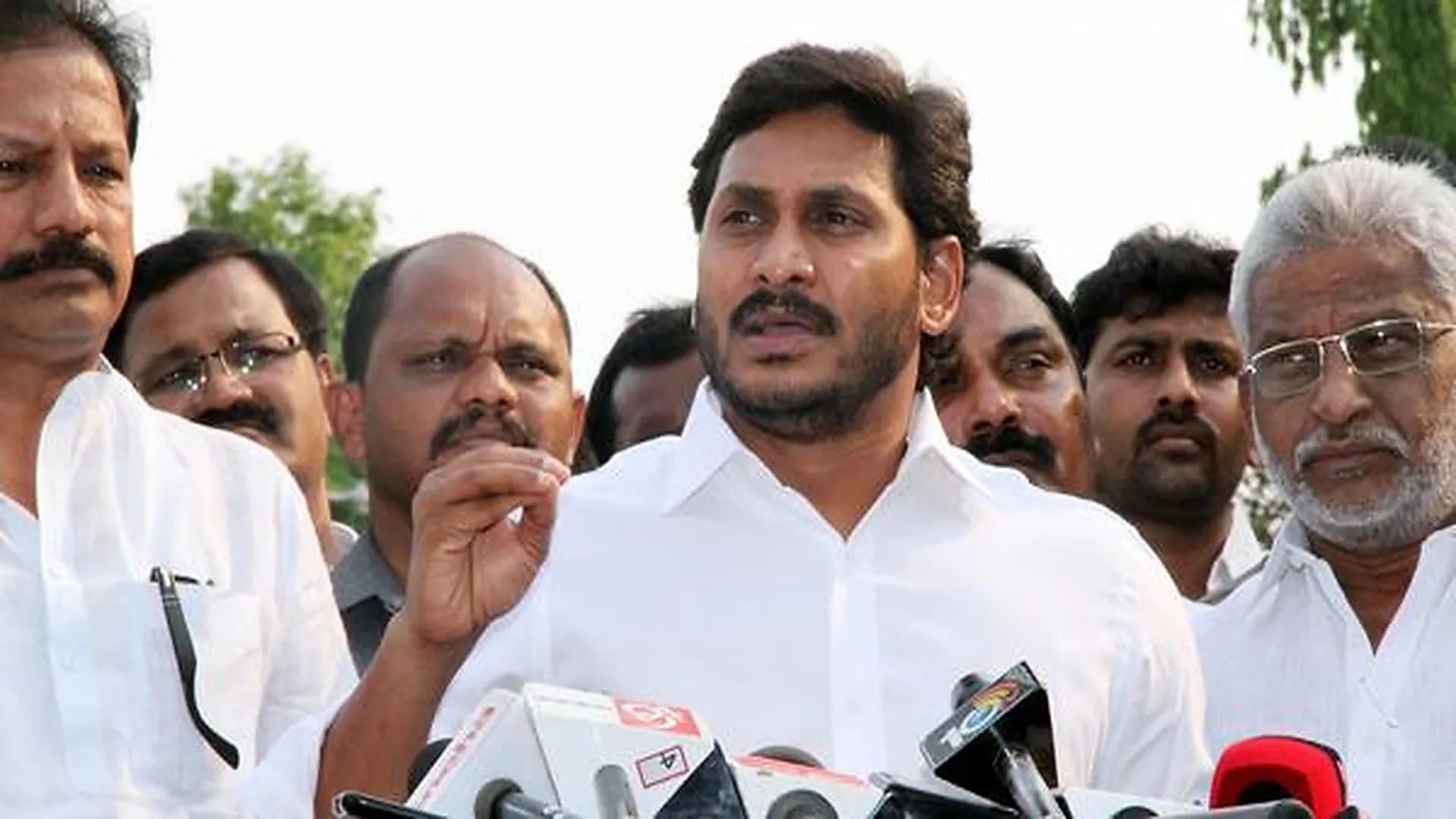
Former Andhra Pradesh Chief Minister and YSR Congress Party president Y.S. Jagan Mohan Reddy has called for Chief Election Commissioner Gyanesh Kumar to resign, according to reporting published on 17 October 2026. His intervention adds a new development to the national dispute over electoral-roll revision and raises questions about the relationship between YSRCP and other opposition parties.
The Economic Times reported that Jagan's position represents a shift in his approach to the controversy and may indicate greater openness to coordination with the INDIA bloc. However, a shared position on one issue does not establish that YSRCP has formally joined the coalition or entered into an electoral alliance.
WHAT HAS JAGAN MOHAN REDDY SAID?
Jagan has supported calls for the Chief Election Commissioner to resign in connection with the controversy over electoral-roll revision. His position places YSRCP alongside opposition voices seeking greater scrutiny of the Election Commission.
The dispute centres on allegations that voter-list revision has improperly removed eligible voters. Opposition leaders have demanded transparency and questioned the procedures used to verify and update electoral rolls.
The allegations remain contested. The Election Commission has defended its procedures, and the legal and administrative questions must be assessed through official records and the relevant rules.
Jagan's statement should therefore be understood as his political position on the controversy rather than proof that the allegations have been established.
WHY IS YSRCP'S POSITION IMPORTANT?
YSRCP is a major political organisation in Andhra Pradesh, where Jagan previously served as Chief Minister. Its relationship with national opposition parties has significance because regional organisations often have their own priorities and political calculations.
A party may support another group's position on a national issue without agreeing to a broader alliance. Electoral cooperation generally requires further decisions concerning seat-sharing, campaign coordination, leadership arrangements, and the political issues on which the parties will work together.
There is no basis to treat a shared demand concerning the Election Commission as a confirmed alliance agreement unless the parties formally announce one.
THE INDIA BLOC QUESTION
The INDIA bloc brings together opposition parties that cooperate on some national political issues while retaining distinct regional interests and organisational structures.
Jagan's support for criticism of the Election Commission may create an opportunity for dialogue with other opposition leaders. Whether that translates into formal cooperation will depend on subsequent meetings, statements, and organisational decisions.
The distinction matters because coalition politics involves more than agreement on a single issue. Parties may share concerns about election administration while disagreeing over state-level competition, leadership, or future election arrangements.
THE ELECTORAL-ROLL CONTROVERSY
The current dispute involves claims that electoral-roll revision has affected eligible voters. Opposition parties have demanded scrutiny, while election authorities have defended the process.
A reliable assessment requires information about the relevant rules, the reasons for individual deletions, and the procedures available to voters who believe their entries have been wrongly removed.
Large-scale figures should be examined carefully. The total number of deleted entries does not automatically establish how many eligible voters were wrongly excluded, because electoral rolls may also be updated to remove duplicate, deceased, or relocated entries.
WHAT THIS MEANS FOR ANDHRA PRADESH POLITICS
Jagan's statement brings a national issue into Andhra Pradesh's political debate. It may influence how YSRCP presents its position on election administration and how it engages with other opposition organisations.
However, it does not establish a change in the party's state-level alliance strategy. The relationship between YSRCP, the ruling Telugu Desam Party-led coalition, and other political organisations must be assessed through separate, verified developments.
The next relevant indicators would include formal meetings, joint statements, party resolutions, or an explicit announcement of cooperation.
WHAT TO WATCH NEXT
The next developments include further statements from Jagan, responses from the Election Commission, and any indication that YSRCP will coordinate with opposition parties on electoral-roll revision.
Readers should also watch for any formal announcement about coalition membership or election cooperation. Until then, the possibility of closer ties should be described as analysis, not as a completed political realignment.

Join the discussion
Comments (0)