
Electoral Rolls in India: Balancing Accuracy with Every Eligible Citizen’s Right to Vote
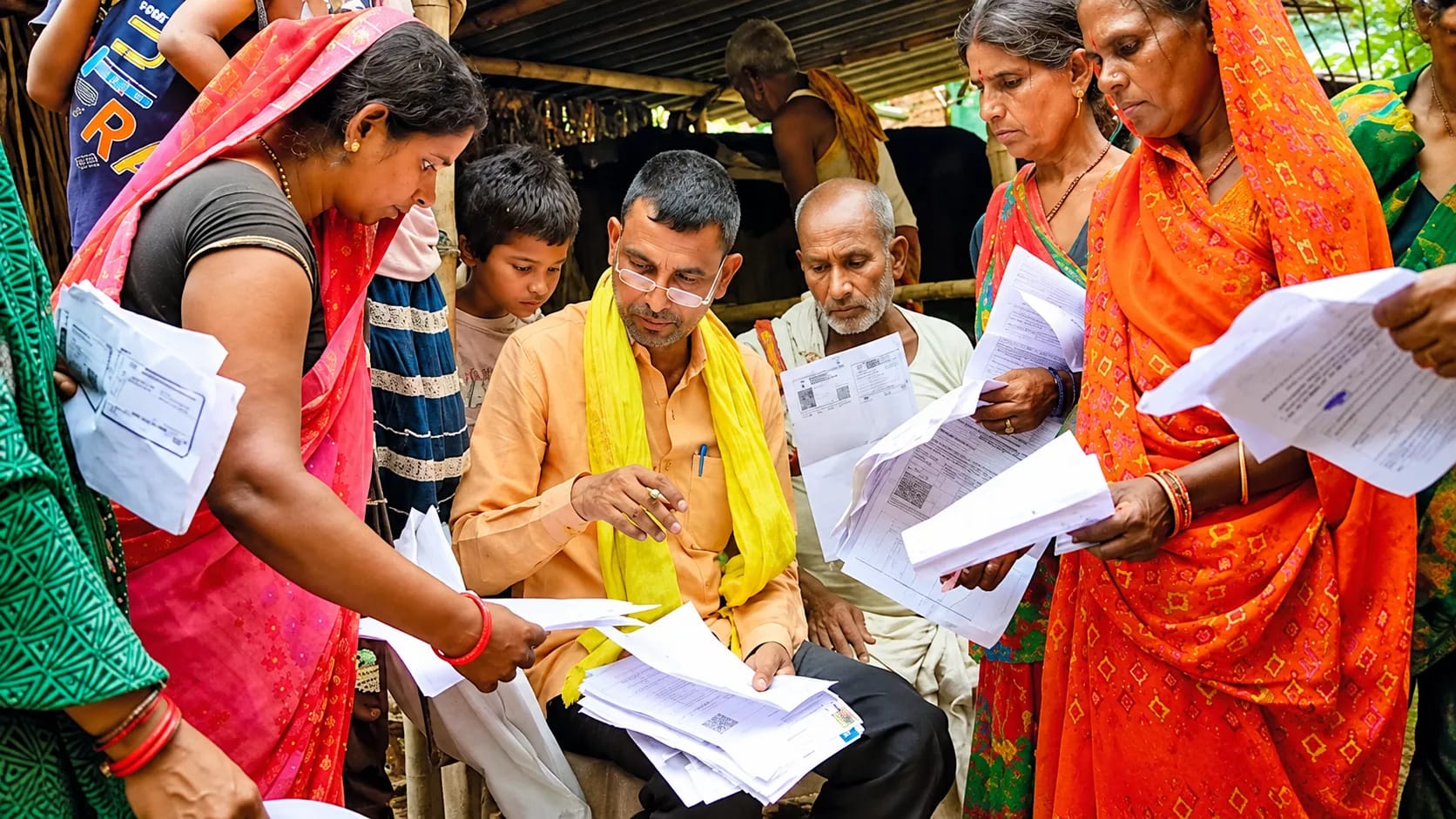
Elections are often discussed through candidates, campaign speeches and results. Yet the accuracy of the electoral roll is just as important: eligible citizens need to be registered in the correct constituency before they can vote. When names are missing or details are incorrect, voters may face difficulties even if they meet the legal requirements.
Why electoral rolls matter
The electoral roll is the official list of registered electors for a polling area. It helps election officials determine who is entitled to vote in that constituency. Keeping the list accurate involves adding eligible voters, correcting details and removing entries when legally justified, such as duplicate or deceased entries. These tasks must follow applicable procedures because an error can affect a person’s ability to participate.
India’s Election Commission administers elections to Parliament and state legislatures and is responsible for the electoral process under Article 324 of the Constitution. Electoral-roll preparation and revision are carried out under election laws and prescribed procedures. The Commission’s official voter services allow citizens to check registration and access relevant application services.
Accuracy and inclusion must go together
An accurate list should not contain ineligible or duplicate entries, but the process must also protect eligible voters from wrongful exclusion. This is especially important for people who have moved homes, people whose documents contain errors, older citizens and people who have difficulty accessing online services. Administrative records may not always reflect a person’s current circumstances immediately.
When a voter discovers that a name is missing or a detail is wrong, the first step is to check the official electoral-roll service and follow the prescribed application procedure. Applicants should keep their reference numbers and check the status of requests. If online access is difficult, local election offices and designated officials can explain the applicable process.
How to assess claims about voter lists
Claims about deletions, additions or irregularities should be examined using verifiable information. A viral screenshot or an isolated example cannot establish the scale or cause of a problem across an entire state. Useful evidence includes official revision figures, documented objections, decisions on individual applications and explanations from election authorities.
At the same time, official totals alone may not answer every question about individual cases. Citizens and journalists can examine the procedure followed, the opportunity to raise objections and the time taken to resolve complaints. If a person alleges wrongful exclusion, the relevant records and response should be considered rather than assuming the claim is automatically true or false.



Join the discussion
Comments (0)