Election Commission Extends SIR Schedule in Six States: What Voters Need to Know
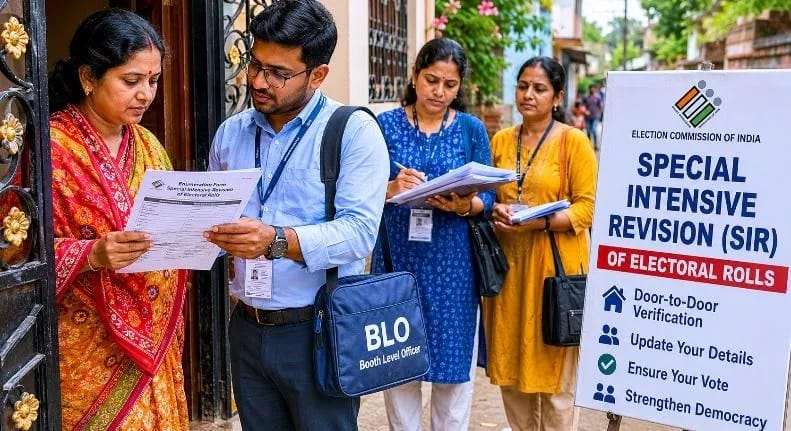
The extension covers Maharashtra, Andhra Pradesh, Telangana, Haryana, Nagaland and Delhi. The revised timelines differ across these states, while the final publication of electoral rolls is scheduled for November 30 in five of the six jurisdictions.
The development comes amid growing political debate over the SIR exercise, with opposition parties raising concerns about voter exclusions, documentation requirements and the transparency of the revision process.
Which States Have Received an Extension?
According to the Election Commission's revised schedule, the following states and Union Territories have received additional time.
State/UT Revised deadline
Maharashtra Claims and objections until November 13
Andhra Pradesh Notice and disposal phase until November 20
Telangana Notice and disposal phase until November 26
Haryana Notice and disposal phase until November 20
Nagaland Notice and disposal phase until November 25
Delhi Claims and objections until November 25
The final electoral roll publication is scheduled for November 30 in Maharashtra, Andhra Pradesh, Telangana, Haryana and Nagaland. Delhi will have a separate timeline, with final publication scheduled for December 22.
These revised deadlines are important because the SIR process involves several stages, including voter verification, identification of discrepancies, submission of claims and objections, and disposal of applications.
Why Has the Election Commission Extended the Schedule?
The electoral roll revision exercise requires coordination between Booth Level Officers (BLOs), election officials and voters.
In several areas, officials have to verify voter information, identify duplicate entries, update residential details and ensure that eligible citizens remain on the electoral rolls.
An extension provides additional time to complete these procedures and address pending applications.
However, the extension also highlights the administrative challenges involved in conducting a large-scale electoral revision across different states.
Political Opposition and SIR Controversy
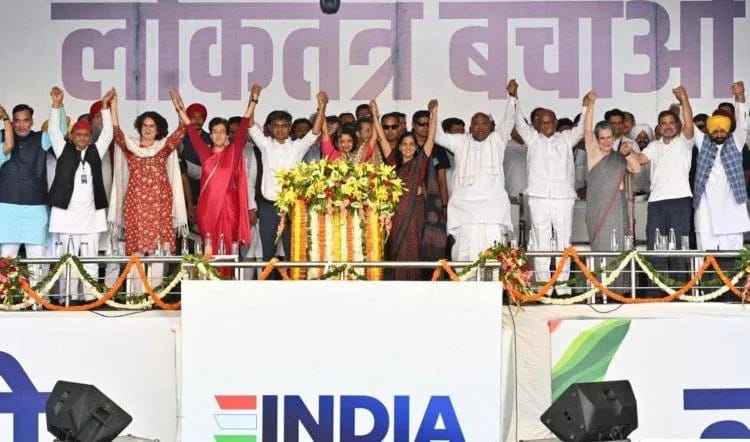
The SIR exercise has become a major political issue, particularly among opposition parties belonging to the INDIA bloc.
Opposition leaders have questioned whether the revision process could result in eligible voters being excluded from electoral rolls.
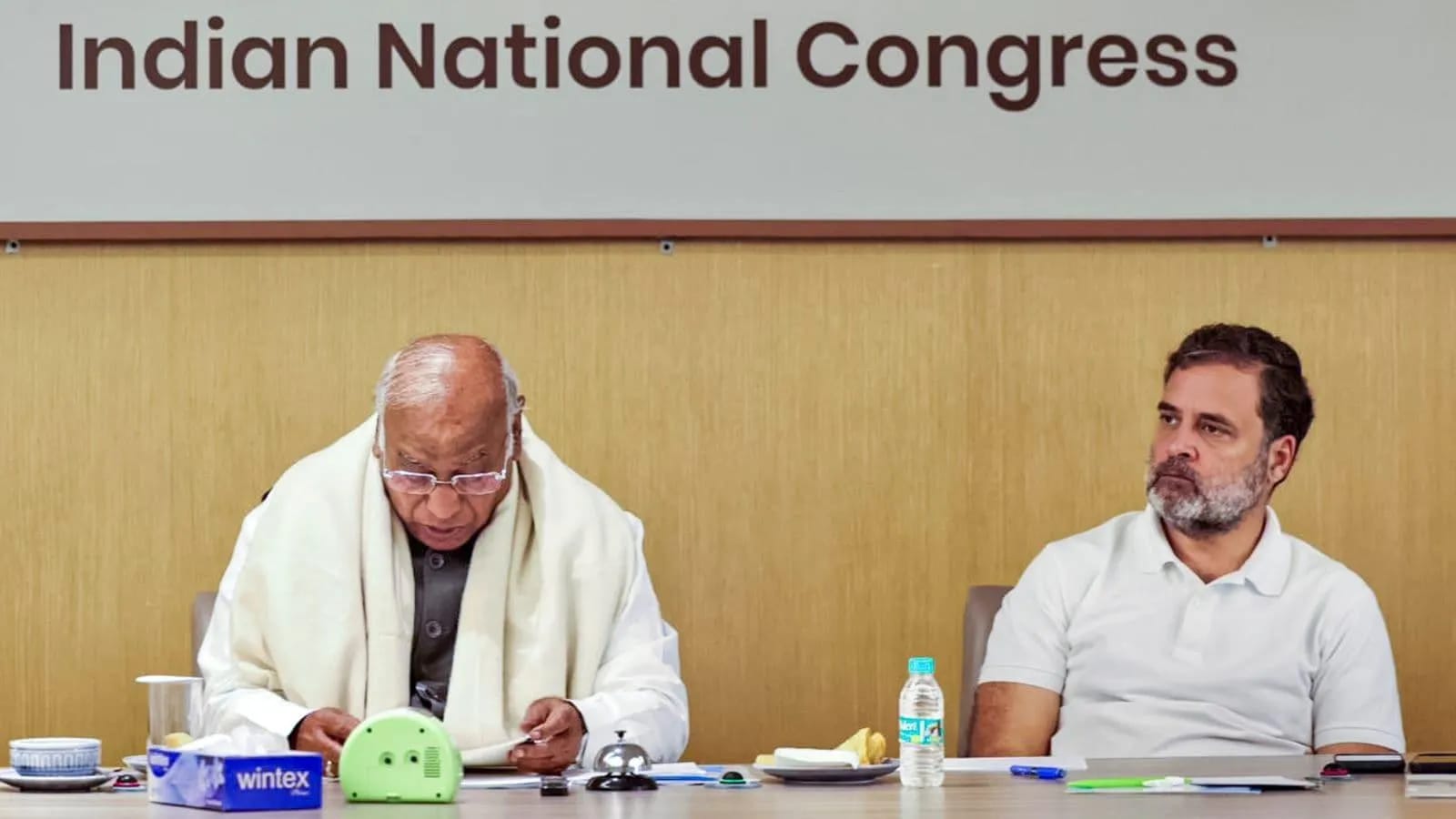
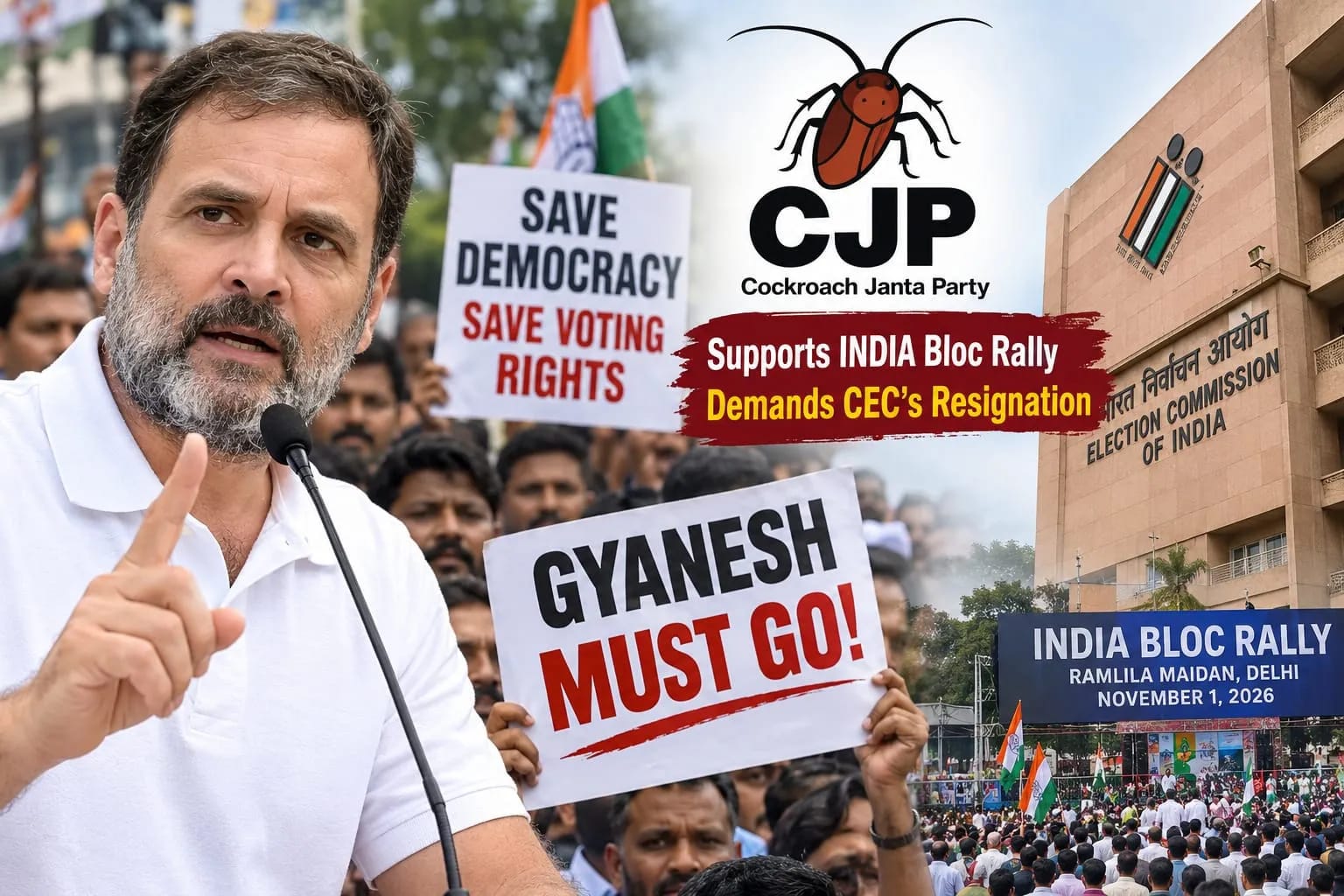
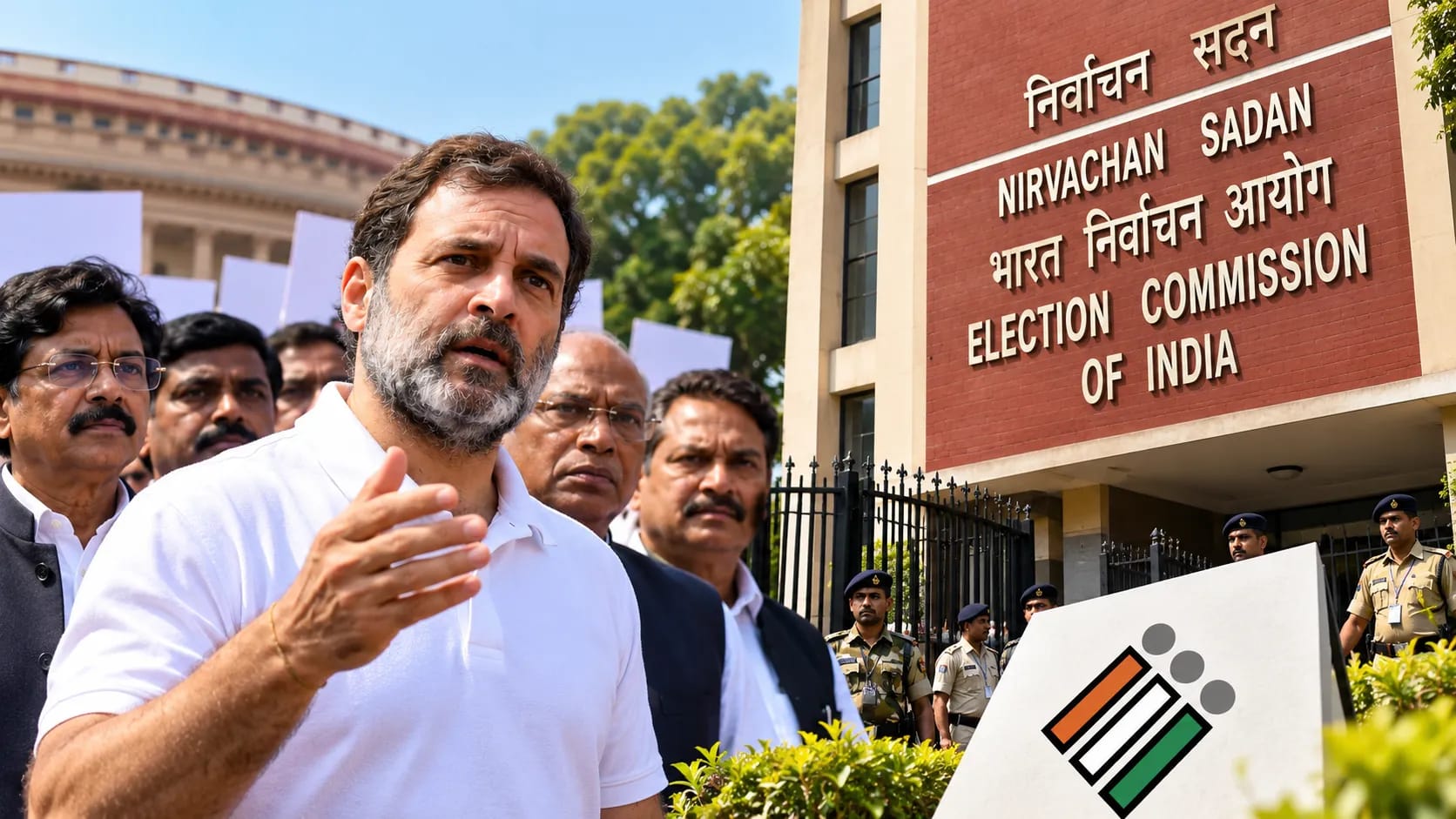
Congress leader Rahul Gandhi and several other opposition leaders have repeatedly raised concerns about alleged irregularities in voter lists and the functioning of the Election Commission.
The opposition has demanded greater transparency and accountability from the constitutional institution.
The Election Commission's position and the verification process remain central to the political debate.
What Should Voters Do?
Voters should verify their names and personal details in the electoral rolls and approach the appropriate election authorities if they find discrepancies.
Citizens should also keep relevant documents ready and submit claims or objections within the revised deadlines applicable to their respective states.
The extension should not be interpreted as an automatic guarantee that every pending application will be accepted.
Conclusion
The extension of the SIR schedule in six states is an important development for voters and election administrators.
While the Election Commission aims to improve the accuracy of electoral rolls, political parties and civil society organisations are demanding safeguards to ensure that no eligible citizen loses voting rights.
Ultimately, the credibility of the electoral process depends on maintaining accurate voter lists while protecting every eligible citizen's constitutional right to vote.

Join the discussion
Comments (0)