Supreme Court Orders Protection for YSRCP Candidates Amid Andhra Pradesh Civic Poll Dispute
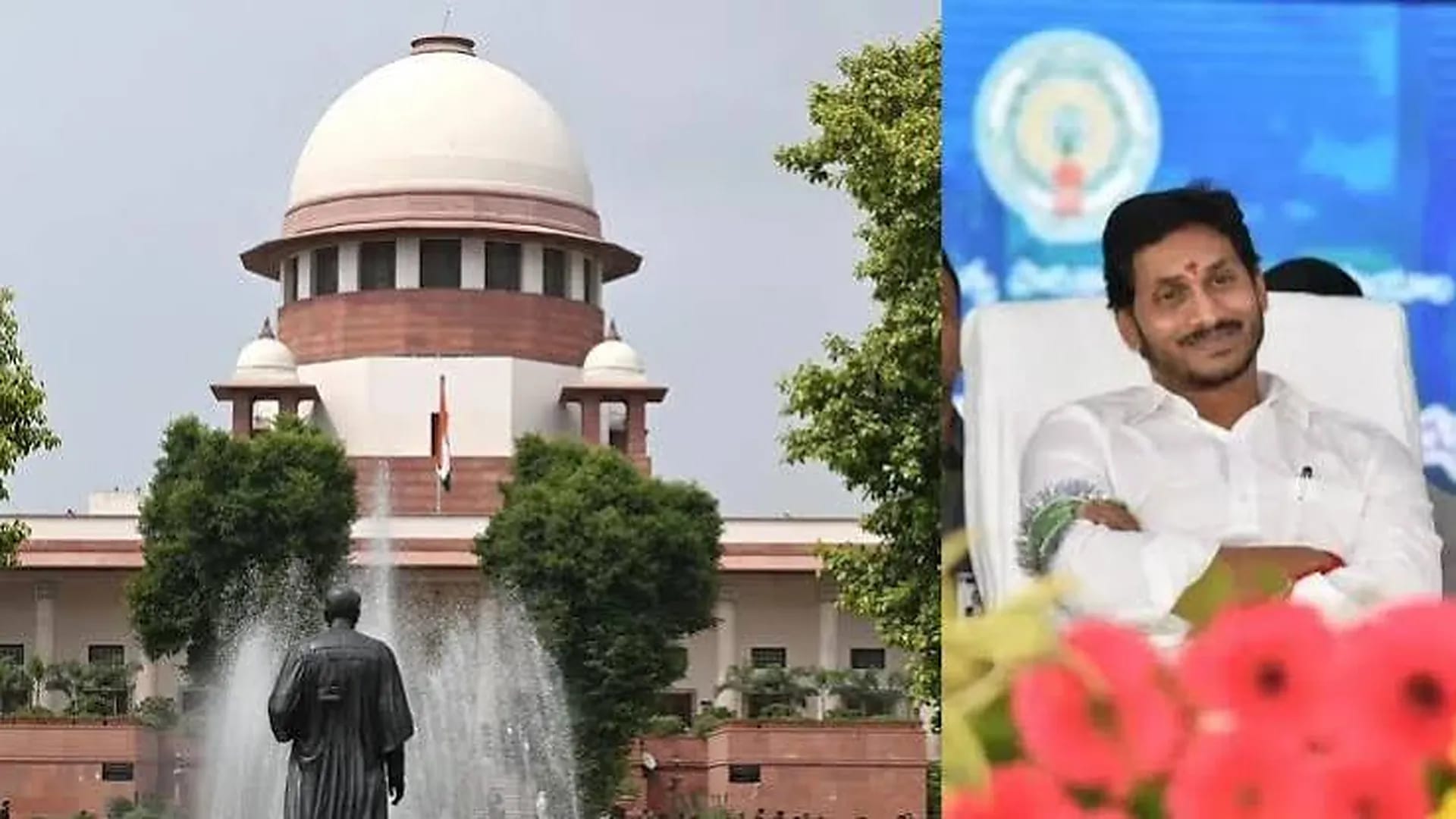
Supreme Court Orders Protection for YSRCP Candidates Amid Andhra Pradesh Civic Poll Dispute
The Supreme Court intervened in Andhra Pradesh's urban local body election process on October 21, 2026, after the Yuvajana Sramika Rythu Congress Party (YSRCP) alleged that several of its candidates had been prevented from filing nomination papers. The court directed the relevant authorities to ensure protection for candidates and instructed the State Election Commission to address the complaints in accordance with its directions.
The dispute has intensified political exchanges between the opposition YSRCP and the ruling Telugu Desam Party-led government. At its centre is a basic electoral question: whether candidates have been given a fair opportunity to participate in the nomination process.
The court's intervention is a procedural development. It does not mean that every allegation made by the opposition has been judicially established. The complaints must be examined on the evidence and the relevant official records.
Why the Supreme Court Intervened
The YSRCP approached the Supreme Court alleging that some candidates had faced obstruction, intimidation or violence when attempting to submit their nomination papers for local body elections.
The party sought intervention to ensure that eligible candidates could complete the nomination process. It also raised concerns about the timing of the final list of contesting candidates.
The court directed the State Election Commission to postpone publication of that list until October 25 and to consider the complaints. It also directed the authorities to make appropriate security arrangements for affected candidates.
These directions are intended to ensure that the nomination process is handled in accordance with the law. Their practical effect will depend on the Commission's decisions, the material submitted by the parties and any further judicial orders.
The State Election Commission's Responsibility
The State Election Commission is responsible for administering local body elections within its legal mandate. Its responsibilities include overseeing the nomination process, applying eligibility rules and ensuring that election procedures are followed.
When candidates allege that they were prevented from filing nominations, election officials must examine the complaints and decide what action is permitted under the relevant rules and court directions.
A transparent process requires clear records of nomination submissions, reasons for any rejection and a mechanism for addressing complaints. Where security concerns are raised, the relevant authorities must assess them and take appropriate action.
The court's directions place renewed attention on these responsibilities. They also underline the importance of timely decisions when disputes arise close to an election deadline.
Political Responses and Competing Claims
The YSRCP has maintained that its candidates faced obstruction and sought judicial intervention to protect their right to contest. The party's allegations have become a major part of its criticism of the ruling establishment.
The TDP and its allies have their own political positions on the dispute. Claims about responsibility for specific incidents should be attributed to the individuals or parties making them and should not be presented as established facts without supporting evidence.
Election-related disputes often produce competing accounts, especially when they concern alleged intimidation or access to nomination centres. Official records, statements from the election authorities and any judicial findings are therefore important to establishing what occurred.
Why Local Body Elections Matter
Municipal institutions influence everyday governance, including roads, sanitation, drainage, water services and local infrastructure. Their elected representatives make decisions that affect residents directly.
A fair nomination process is important because voters need a genuine choice among eligible candidates. If a candidate cannot file a nomination, the range of choices available to voters may be affected.
Election procedures must therefore be accessible and consistently applied. Candidates should know the applicable requirements, and officials should be able to demonstrate that submissions and objections have been handled according to the rules.
What Happens Next?
The immediate questions concern the State Election Commission's decisions on the complaints, the protection arrangements for candidates and the publication of the final contesting-candidate list.
The Commission must act in accordance with the Supreme Court's directions. Any extension of nomination deadlines or other procedural changes should be reported only after an official decision is confirmed.
Further developments may also depend on evidence submitted by the parties and any additional directions from the court.




Join the discussion
Comments (0)