Rajasthan Panchayat Elections 2026: Second-Phase Voting Puts Rural Governance and Party Strategies in Focus
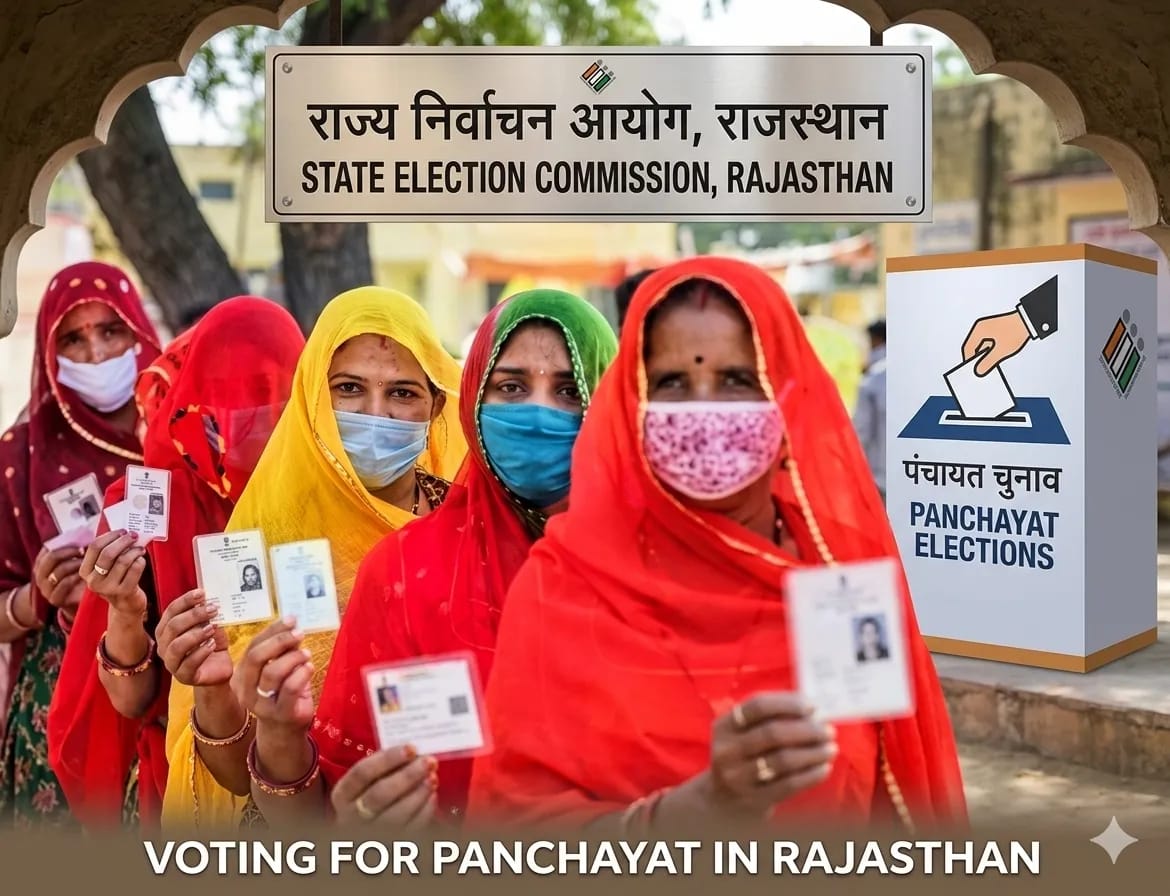
Rajasthan Panchayat Elections: Why the Second Phase Matters
Local elections are an important test of democratic participation because they connect political decisions with the everyday concerns of rural communities. Roads, drinking water, sanitation, agricultural infrastructure, public services and local development are among the issues that shape voters’ expectations from elected representatives.
Rajasthan’s reported second phase of Panchayat Samiti and Zila Parishad polling on 28 October 2026 offers an opportunity to examine these questions and the political competition surrounding rural local bodies.
However, the exact phase-wise schedule, polling locations and election arrangements must be verified against the latest notification issued by the Rajasthan State Election Commission. This report does not treat unverified turnout figures, constituency lists or results as confirmed facts.
What Is Being Contested?
Panchayat Samitis and Zila Parishads form important parts of Rajasthan’s rural local-government structure.
Panchayat Samitis operate at the block level, while Zila Parishads function at the district level. Their elected representatives participate in local planning, development priorities and the coordination of public programmes within the responsibilities assigned to these institutions.
Why Rural Governance Is a Major Political Issue
For many rural households, the performance of local institutions is more immediately visible than decisions taken in state capitals or Parliament.
The condition of a village road, the availability of drinking water, the maintenance of public facilities and the implementation of welfare programmes can shape public perceptions of governance.
This gives local elections a practical dimension. Voters are not only choosing representatives; they are also evaluating competing promises about how local needs should be addressed.
Political parties may seek to connect local campaigns with the performance of the state government. Opposition parties, meanwhile, can use local elections to highlight shortcomings they identify in development delivery, administration or public services.
BJP, Congress and the Wider Political Contest
The Bharatiya Janata Party (BJP) and the Indian National Congress (Congress) are important participants in Rajasthan’s political landscape. Local elections can provide both parties with opportunities to mobilise supporters, strengthen their organisational networks and demonstrate their ability to work with local communities.
For the ruling party, favourable local results could provide evidence of organisational strength and public acceptance of its governance agenda. For the opposition, strong performance could help demonstrate that voters continue to scrutinise the government and want alternative approaches to local development.
The Role of Local Issues
Rural development is likely to remain central to public discussion around Panchayat elections. Important issues for voters may include:
Roads and connectivity: The condition of village roads and access to nearby markets, schools and health facilities.
Water and sanitation: Drinking-water access, drainage and the maintenance of sanitation infrastructure.
Agriculture and livelihoods: Local infrastructure, irrigation-related concerns and access to public support programmes.
Welfare delivery: Whether eligible households receive the benefits of government schemes.
Representation and accountability: Whether elected representatives respond to local complaints and communicate their development priorities clearly.
What Should Voters and Readers Check on Polling Day?
Readers seeking accurate updates should look for official information on polling arrangements, the relevant constituency, the applicable voting timetable and any notices issued by election authorities.
Readers can consult the Rajasthan State Election Commission’s official website for election notifications and updates. The Election Commission of India’s website provides information on national and state electoral matters, although Panchayat elections fall under the relevant State Election Commission’s authority.
Conclusion: Will Local Results Reshape Rajasthan’s Political Debate?
Rajasthan’s Panchayat elections deserve attention because rural governance is where many public policies become visible in people’s everyday lives. Roads, water, welfare delivery and local development can matter as much as wider political messaging when voters assess their representatives.
The reported second-phase polling on 28 October 2026 provides a timely opportunity to examine these issues. The next significant developments will be the officially confirmed polling details, turnout updates and election results.
For political observers, the key question is not simply which party wins the most seats. It is whether the results point to changing voter priorities, stronger local leadership or demands for better delivery of public services.


Join the discussion
Comments (0)