Jamia Student Protest: Congress MP Imran Masood Detained as University Forms Committee
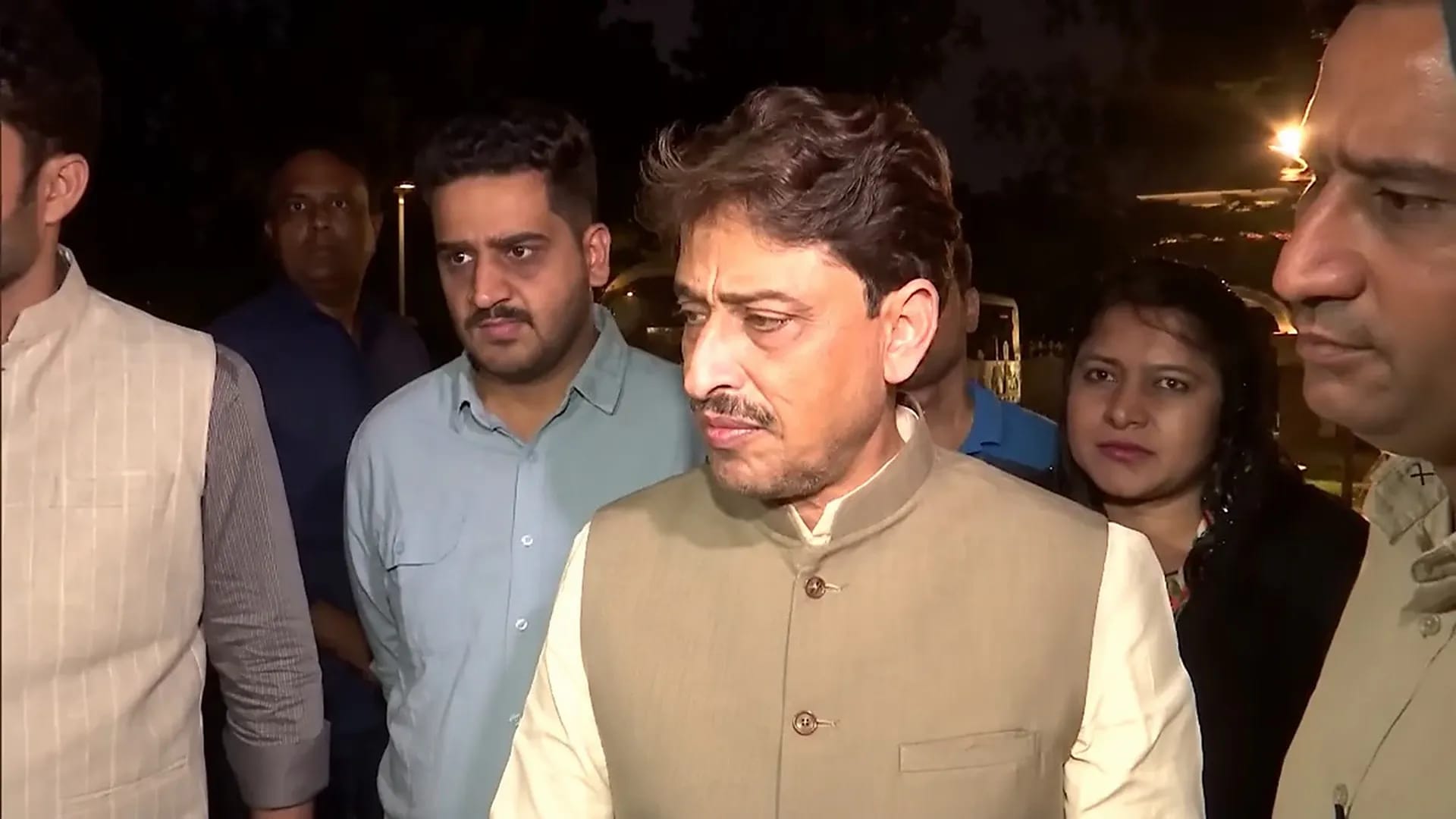
A protest at Jamia Millia Islamia in New Delhi drew fresh political attention on October 23–24 after Congress MP Imran Masood visited the protesting students and was detained near the campus. The development came as the university formed a high-level committee to examine the students' grievances.
The episode has brought together student demands, university administration and political debate over how campus protests should be handled.
What Happened at Jamia?
Students at Jamia Millia Islamia were protesting over their grievances with the university administration. Imran Masood, a Congress MP, visited the campus during the demonstration. Reports said he was detained along with others near Jamia as the protest continued.
Masood subsequently clarified that slogans calling for a “free Kashmir” had not been raised during the protest he visited. He also condemned those responsible for putting up posters associated with Kashmir, reiterating that the region is an integral part of India.
His statement addressed the political sensitivity surrounding the protest and the interpretation of messages circulating about it.
The precise circumstances of the detention, the legal grounds cited by the authorities and the status of any proceedings should be confirmed from official records before publication.
University Forms a High-Level Committee
The university's decision to form a high-level committee is an important administrative development. Such a committee can provide a formal channel for examining student concerns and communicating the administration's response.
The committee's significance will depend on its terms of reference, the evidence it reviews and whether students are given an opportunity to present their concerns.
The formation of a committee does not itself establish that every student allegation is justified. It also does not mean that the underlying dispute has been resolved. The next stage will depend on the committee's work and the decisions taken by the university.
Why Has the Issue Become Political?
University protests can attract political attention when elected representatives visit campuses, support student demands or question the administration's handling of demonstrations.
For opposition parties, such visits can demonstrate engagement with students and their concerns. However, political involvement can also shift attention away from the original grievance if the debate becomes dominated by competing party narratives.
The challenge for political leaders is to distinguish legitimate questions about campus administration from claims that require separate evidence.
Masood's clarification about slogans also highlights why statements about a protest should be assessed carefully. A claim about what demonstrators said should be checked against reliable evidence rather than repeated as fact merely because it has circulated online.
Student Grievances and Campus Administration
Universities need procedures through which students can raise complaints, receive explanations and challenge decisions. At the same time, campus administrations must consider safety, access to facilities and the rights of people who are not participating in a protest.
A transparent process can help reduce uncertainty and limit the spread of competing accounts. Clear communication about the students' demands, the committee's mandate and the next steps would help establish what is being investigated and what remains unresolved.
What Happens Next?
The important questions are whether the university's committee addresses the students' stated grievances, whether the administration publishes or communicates its findings, and whether the detention results in any formal legal action.
The episode is a reminder that campus protests can develop into wider political controversies. However, a fair assessment requires attention to the original student demands, the administration's response and the documented circumstances of the detention.
Join the discussion
Comments (0)