
Rahul Gandhi to Appear in Sultanpur Defamation Case as Court Prepares to Deliver Verdict
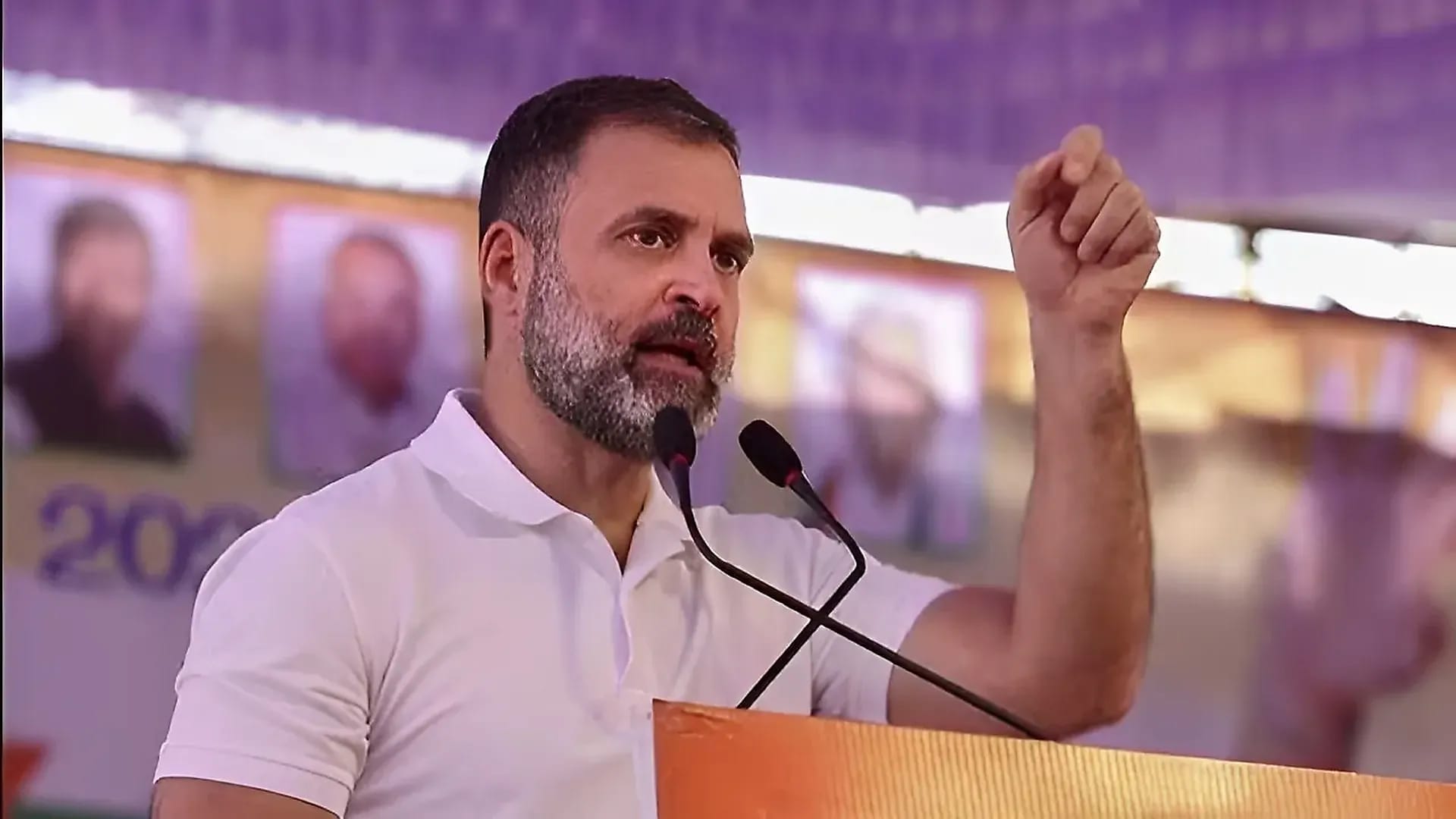
Congress leader Rahul Gandhi is scheduled to appear before a special MP-MLA court in Sultanpur, Uttar Pradesh, on October 26 in a defamation case linked to remarks he allegedly made about then-BJP president Amit Shah in 2018.
According to reporting published early on October 26, the court is scheduled to pronounce its verdict. The case has attracted political attention because it involves two prominent figures from opposing parties and a speech delivered during an earlier election campaign.
What Is the Case About?
The complaint concerns alleged objectionable remarks Rahul Gandhi made about Amit Shah at a rally in Bengaluru ahead of the 2018 Karnataka Assembly election.
BJP leader Vijay Mishra, a former chairman of a district cooperative bank in Sultanpur, filed the defamation complaint on August 4, 2018.
The proceedings have continued through the trial court and subsequent legal challenges. Gandhi appeared before the court in 2023 and secured bail.
The current stage concerns the court's decision in the case. The allegation in the complaint should not be treated as proof of defamation unless the court reaches that conclusion under the applicable law.
Why Is the Verdict Politically Significant?
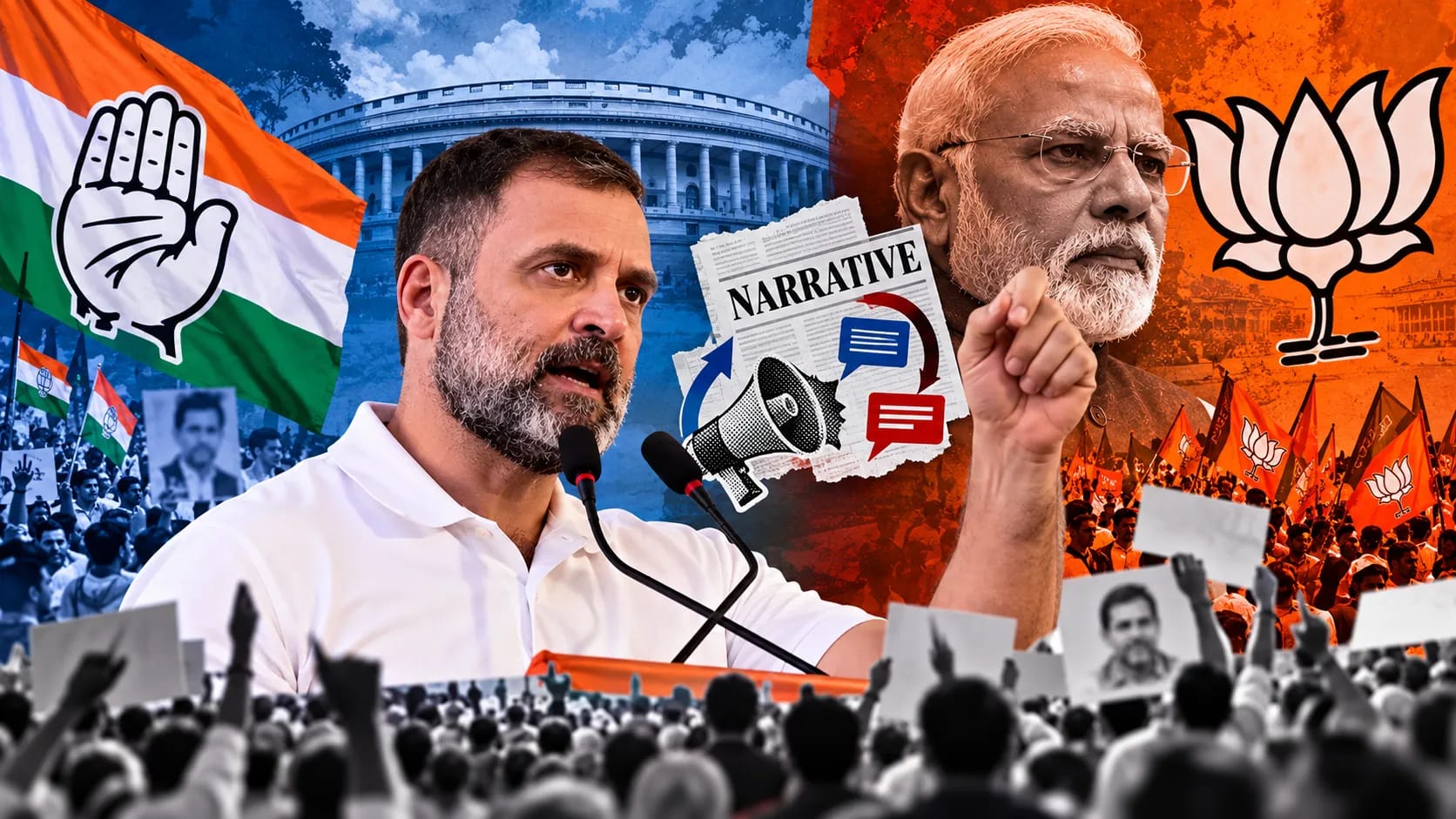
The case involves the leaders of two major political parties. Gandhi is a senior Congress leader and the Leader of the Opposition in the Lok Sabha, while Shah is a senior BJP leader and Union Home Minister.
Legal proceedings involving prominent politicians often become part of the political debate between their parties. Supporters may frame the case through their wider arguments about political accountability, while opponents may focus on the alleged statement and the legal process.
However, the judicial outcome must be distinguished from political commentary. The court's findings, rather than statements from party leaders, will determine the result of the case.
The Legal Process So Far
Reporting on the proceedings states that the complainant sought a comparison of Gandhi's voice sample with a recording of the Bengaluru rally. The trial court rejected that request, and the sessions court dismissed a revision petition challenging the decision. The Allahabad High Court later dismissed a petition challenging the earlier orders.
These procedural developments do not establish the final outcome of the defamation case. They concern specific applications and challenges made during the proceedings.
The scheduled verdict is therefore a separate stage of the legal process.
What Should Readers Watch?
The key question on October 26 is whether the court delivers its verdict as scheduled and, if so, what findings and legal directions it issues.
If the court postpones the decision, the next hearing date and any reasons provided by the court will be relevant updates. Until the decision is available, headlines should describe the verdict as scheduled or awaited rather than announce an outcome.
Readers should also distinguish between an allegation, a court's assessment of the evidence and any subsequent appeal or legal challenge.
Political Reactions and Public Debate
The case may prompt reactions from Congress and BJP leaders, particularly because it concerns remarks about a senior political figure during an election campaign.
Such reactions can shape the public debate, but they do not replace the judicial record. Any statement about guilt, acquittal, conviction or the legal consequences must match the actual court order.
The wider political significance lies in the continuing intersection between election-era speech, defamation law and accountability for public statements.
What Happens Next?
The next confirmed development should come from the court's decision or a formal update to the hearing schedule.
Until that information is available, the case remains pending from the perspective of this article's publication. Responsible reporting requires leaving the outcome open rather than assuming that the scheduled verdict will necessarily be delivered on the stated date.


Join the discussion
Comments (0)