PM Modi Targets Congress Over Its Political Approach as BJP Intensifies Attack on Opposition
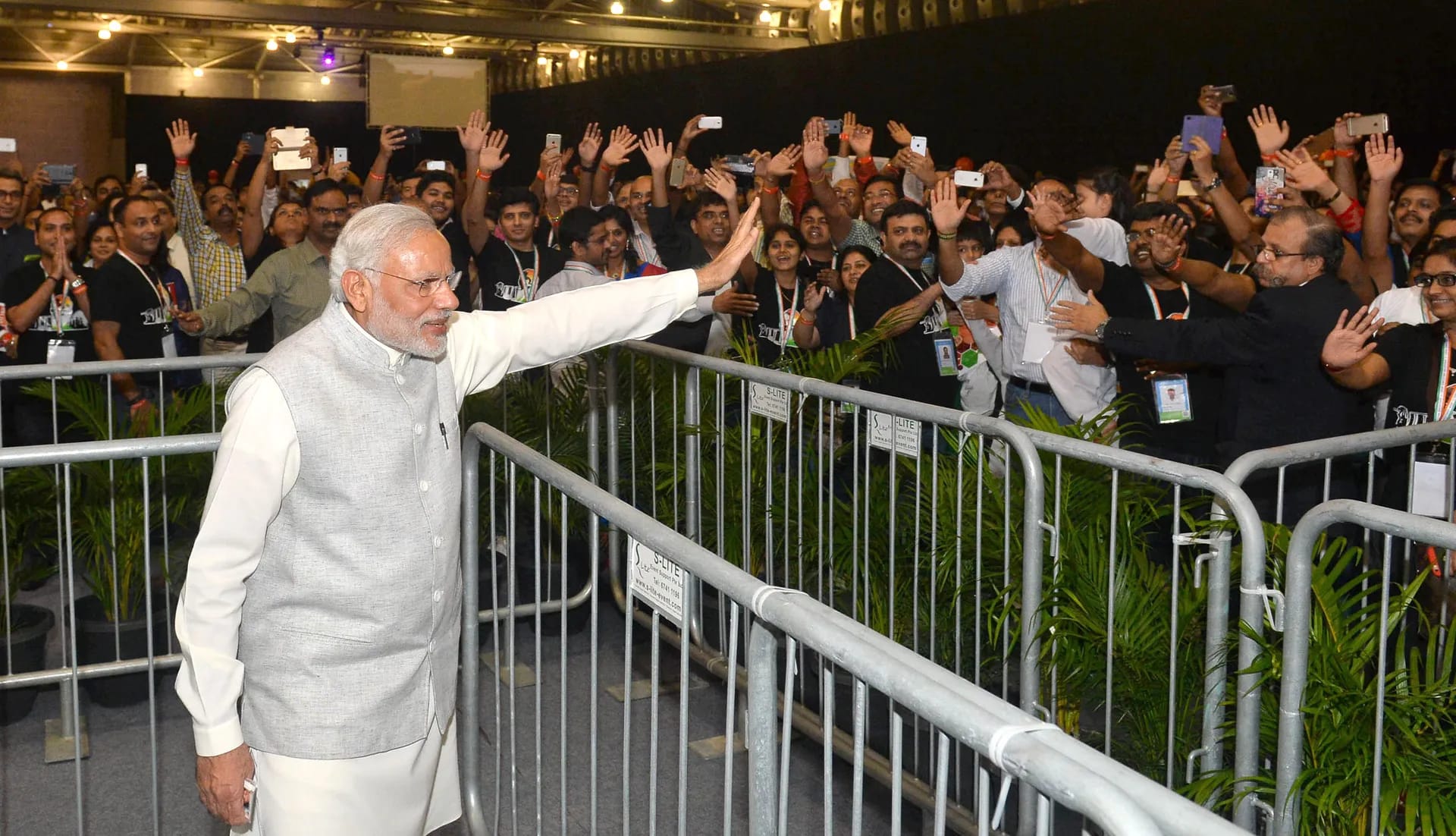
India's political confrontation between the Bharatiya Janata Party (BJP) and Congress intensified on October 23 after Prime Minister Narendra Modi criticised the opposition party over its political approach and accused it of undermining India's image. The remarks added another chapter to the continuing exchange between the ruling party and Congress, with questions about political accountability, leadership and opposition strategy remaining central to the debate.
The latest confrontation reflects a broader struggle between the BJP and Congress over how national political issues are presented to voters and how the opposition challenges the government's position.
Modi's Criticism of Congress
Modi accused Congress of attempting to damage India's reputation while protecting the political interests of the Nehru-Gandhi family. His remarks also targeted Rahul Gandhi and the opposition party's response to repeated electoral setbacks.
The comments form part of a wider political dispute in which BJP leaders have questioned Congress's approach to government criticism and its engagement with issues involving India's institutions and public image.
These statements represent the Prime Minister's political assessment of the opposition. The allegations should be understood as part of the ongoing political exchange rather than as independently established findings.
For the BJP, criticism of Congress's leadership and political messaging provides an opportunity to challenge the opposition's credibility. For Congress, scrutiny of the government remains an important part of its role as a national opposition party.
A Wider BJP-Congress Political Battle
The two parties have long disagreed over economic priorities, political leadership, institutional accountability and the direction of national governance. These differences regularly become more visible when senior leaders exchange accusations in public speeches.
The BJP has sought to portray Congress as an opposition party struggling to respond effectively to its electoral defeats. Congress, meanwhile, has continued to challenge the ruling party on several political and institutional questions.
Such competing narratives are important because political parties are not only attempting to defend their records. They are also trying to persuade voters that their interpretation of national developments is more credible than that of their opponents.
Leadership and Political Messaging
The exchange also highlights the importance of leadership in national politics. Statements by the Prime Minister and senior opposition figures can influence the political agenda, determine which issues dominate public discussion and shape the messages communicated by party workers.
For the BJP, criticism from its highest leadership can reinforce a common political narrative across its organisation. Congress faces the challenge of responding without allowing the ruling party to determine the entire terms of public debate.
However, the effectiveness of either strategy cannot be measured by speeches alone. Voters may also consider local issues, candidate performance, employment concerns, public services and the credibility of individual leaders.
Why the Confrontation Matters
Political disagreements are a normal feature of a competitive democracy. The important distinction is between criticism supported by verifiable information and accusations that remain political claims.
When leaders make serious allegations, readers should examine the context of their statements and whether supporting evidence has been made public. Political rhetoric should not automatically be treated as proof of wrongdoing.
The exchange also raises a strategic question for Congress: how can the party maintain a strong opposition position while communicating a consistent political programme? Merely responding to criticism may not be sufficient to establish an alternative national agenda.
For the BJP, the challenge is to sustain its political message while remaining open to scrutiny of its own decisions and claims.
What Happens Next?
Further statements from BJP and Congress leaders may continue to shape the political debate. The significance of the confrontation will depend on whether it leads to a wider dispute over policy, institutional accountability or the opposition's national strategy.
The immediate exchange demonstrates the continuing centrality of BJP-Congress rivalry in Indian politics. Whether the rhetoric changes voter preferences, however, will depend on a wider range of political and electoral factors.
Join the discussion
Comments (0)