Odisha Mining Revenue Row 2026: Is the Centre’s New Mining Law Changing the State’s Financial Powers?
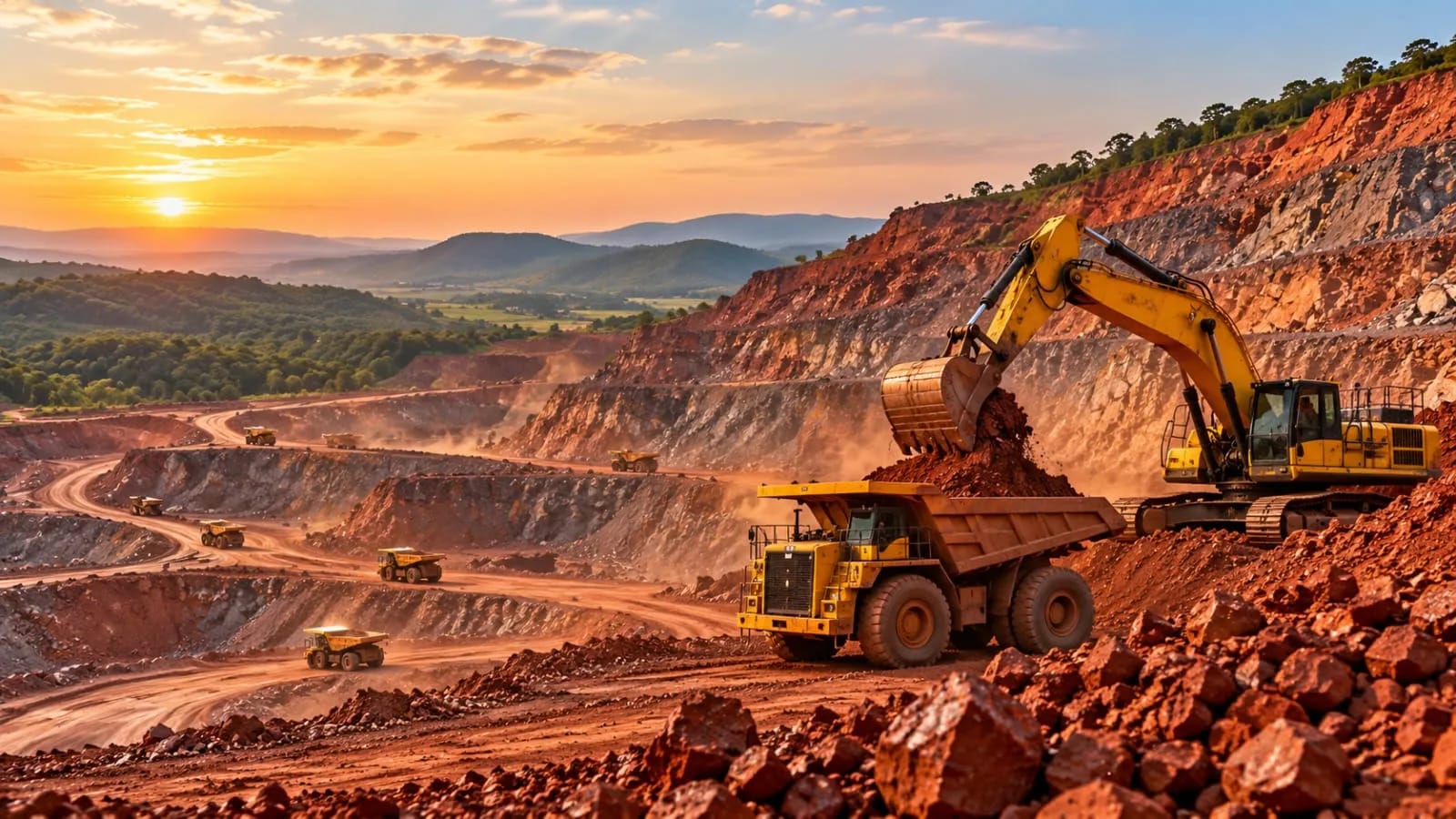
Odisha’s mineral resources are an important part of its economy. Iron ore, coal, bauxite and other minerals support industrial activity, employment, infrastructure development and government revenue.
A major development in this debate is the Mines and Minerals (Development and Regulation) Amendment Act, 2026. The Union government says the amendment is intended to create a more predictable fiscal framework, reduce uncertainty over mining-related levies and encourage investment in domestic mineral production.
But the legislation also raises an important question for mineral-rich states: how will restrictions on certain state-level levies operate alongside the revenue arrangements that governments already receive from mining?
For Odisha, the issue deserves particular attention because the state has a substantial mining sector and a significant role in the national mineral economy.
The Mines and Minerals (Development and Regulation) Act, 1957, is the central legislation governing important aspects of mineral development and mining regulation in India.
According to the Ministry of Mines’ official fact sheet published on 18 August 2026, the new amendment seeks to establish a more uniform and predictable fiscal framework for the sector.
One of its key provisions is the introduction of Section 9D, which restricts state governments from imposing taxes, cesses or other levies on mineral rights and mineral-bearing land, except under conditions or restrictions prescribed by the Central Government.
Why Odisha is central to the discussion?
Odisha’s importance in this debate is supported by the Ministry of Mines’ own published figures.
The government fact sheet states that Odisha had operationalised 35 of its 79 auctioned mineral blocks and earned approximately ₹87,000 crore in auction premium between the financial years 2020–21 and 2025–26.
Auction premiums are one component of the wider revenue generated through mining. The figures demonstrate the scale of Odisha’s participation in the mineral auction system, although they should not be confused with the state’s total mining revenue or its annual budget receipts.
The same fact sheet describes the auction-based system introduced in 2015 as a way to improve transparency and competition in the allocation of mineral blocks.
For Odisha mining, the next question is how the new legal framework will interact with its existing sources of mining income, including royalty, auction premium and other statutory payments.
The official figures provide context, but they do not establish a precise future financial gain or loss for Odisha under the amendment.
What does the government say about state revenue?
The Ministry of Mines has argued that the amendment will not reduce the overall revenue accruing to states from the mining sector.
In its official FAQ published on 19 August 2026, the Ministry says states will continue to receive major categories of mining-related revenue, including royalty, auction premium, District Mineral Foundation payments and their share of GST.
The FAQ reports that approximately ₹1,14,549 crore in total mineral revenue from coal and non-coal sources accrued to states in 2025–26 under the figures presented by the Ministry.
It also states that states have received more than ₹7 lakh crore from the mining sector, including coal, since the auction regime began in 2015.
BJP government and opposition: what should readers watch?
The BJP leads the Odisha government, while the Biju Janata Dal (BJD) and Congress are among the parties that can scrutinise public policy and raise questions about the state’s financial interests.
The amendment gives political representatives a reason to examine how national mining policy affects Odisha’s revenue arrangements, investment climate and mining-affected communities.
For the state government, important questions include how the amendment will be implemented, how existing revenue streams are treated and whether any clarification is required from the Centre.
For opposition parties, scrutiny could focus on the legal limits on state levies, the implications for public finances and the evidence supporting the government’s assessment of the reform.
Conclusion: Odisha’s mining future needs facts, not political assumptions
The Mines and Minerals (Development and Regulation) Amendment Act, 2026, has placed mineral taxation, state revenue and investment policy under renewed scrutiny.
For Odisha, the key issue is how the new restrictions on certain state levies will work in practice and what the state’s own financial records show over time.
The political debate should be informed by the actual legal provisions, verified statements from the BJP-led state government and opposition parties, and transparent reporting on public revenue.
Ultimately, the question is bigger than mining taxes: Will the new framework support investment while protecting Odisha’s legitimate financial interests and ensuring that mining-affected communities benefit from the state’s mineral wealth?


Join the discussion
Comments (0)