India’s 2027 Assembly Elections: BJP, Congress and Regional Parties Face a Crucial Political Test
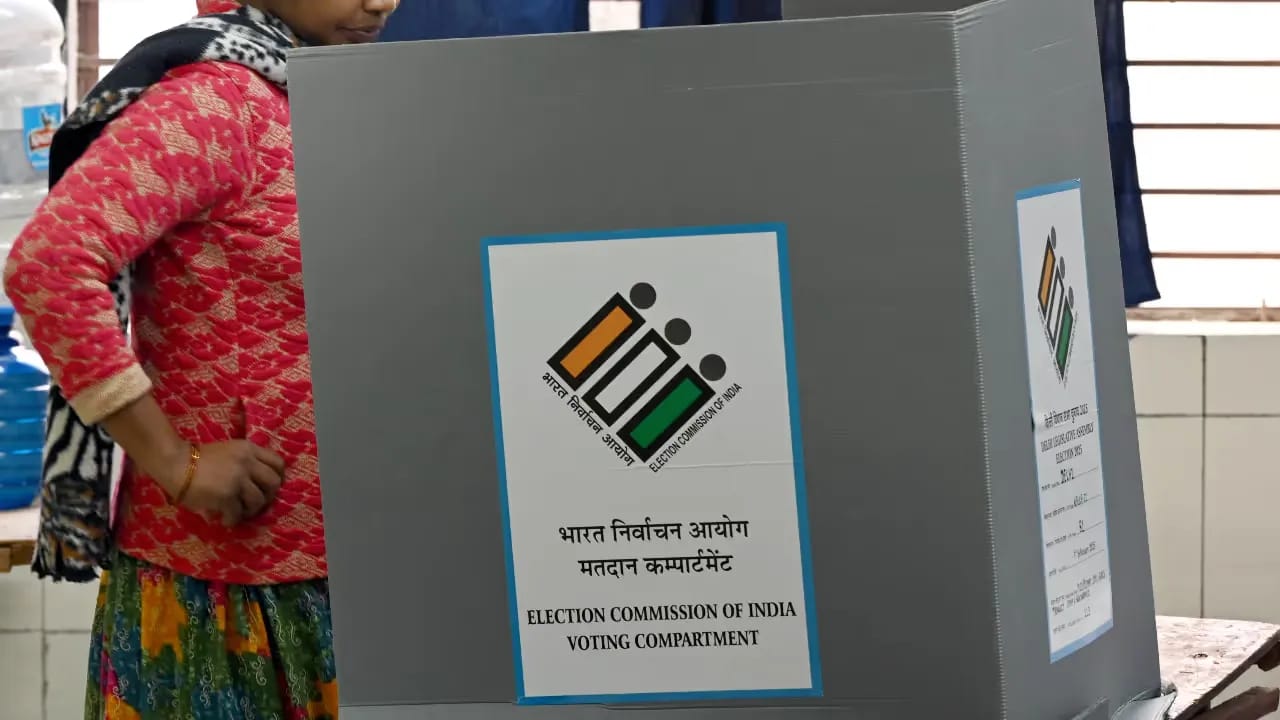
Five states likely to shape India’s next major electoral contest.
India’s political attention is gradually turning towards the next round of Assembly elections. Goa, Manipur, Punjab, Uttarakhand and Uttar Pradesh are among the states whose Assembly terms are due to end in 2027. The Election Commission of India’s records provide the relevant constitutional timelines for these states.
The BJP will seek to defend or strengthen its political position wherever it is in power, while the Congress and other opposition parties will look to build credible alternatives. Regional parties will also be important, particularly where local leadership, state-specific concerns and alliance arrangements influence electoral outcomes.
Which states are on the political radar?
Uttar Pradesh: With 403 Assembly seats, Uttar Pradesh is a major focus of national politics. The next election will be important for the BJP, the Samajwadi Party, the Congress, the Bahujan Samaj Party and other political forces. Issues such as employment, agriculture, public services, law and order and welfare delivery are likely to feature in political debates.
Punjab: Punjab’s Assembly has 117 seats. The Aam Aadmi Party, Congress, BJP, Shiromani Akali Dal and other political groups will be watched closely as the state approaches its next electoral cycle. Farmers’ concerns, employment, public finances, drug-related issues and governance are among the subjects that can influence political discussion.
Uttarakhand: The state has 70 Assembly seats. The BJP and Congress are major competitors, and the performance of the incumbent government, local development, migration, employment, tourism and disaster management may feature prominently in public debate.
Goa: Goa has 40 Assembly seats. Its political environment is shaped by state-level leadership, smaller parties, local constituencies and coalition possibilities. Candidate selection and seat-sharing can have considerable importance in a closely contested election.
Manipur: Manipur has 60 Assembly seats. Security, peace, rehabilitation, public confidence and the restoration of normal life are especially important issues in the state’s political environment. Voters will expect parties to present credible and practical approaches to these concerns.
What does the Election Commission’s notice mean for political parties?
The Election commission of India has published information on the application window for the allotment of common election symbols to eligible registered unrecognised political parties contesting upcoming Assembly elections.
Its official notice identifies 14 September 2026 as the earliest application date for Manipur, 15 September for Goa, 17 September for Punjab and 29 September for Uttarakhand. For Uttar Pradesh, the corresponding date is 23 November 2026.
These dates concern the procedure for applying for a common symbol under the relevant election-symbol rules. They are not polling dates, nomination deadlines or confirmation that the formal election schedule has been announced.
Although national parties attract considerable attention, state elections are also shaped by local leadership, constituency-level issues and the credibility of individual candidates.
A party’s national popularity does not automatically guarantee success in every state. Voters may judge a government on its record of delivery, responsiveness, employment opportunities, local infrastructure and the handling of specific regional concerns.
Alliance decisions may also become important. Parties must determine whether to contest independently, cooperate with other groups or negotiate seat-sharing arrangements. Such decisions can affect the choices available to voters.
What happens next?
The Election Commission will announce the detailed schedules through its official channels when the relevant decisions are made. Until then, political preparations and party-level announcements should not be mistaken for formal election notifications.
For voters, the coming months are an opportunity to compare promises with performance, verify candidate information and follow official electoral-roll updates.
The most important question is not simply which party leads the political headlines. It is whether the parties can present credible plans that respond to the needs of their respective states.
Conclusion
The 2027 Assembly elections could become a significant test for national and regional political forces. Uttar Pradesh, Punjab, Uttarakhand, Goa and Manipur each have distinct political circumstances, and their results should not be treated as a single national verdict.
The next major developments to watch are official election notifications, party alliances, candidate announcements, electoral-roll updates and the issues that emerge during campaigning.
What’s next: Will national party strategies dominate the 2027 contests, or will state-specific leadership and local concerns determine the outcome?


Join the discussion
Comments (0)