Hemant Soren Opens a Fresh Front Against Centre: Jharkhand Assembly to Take on SIR and Mining Law in November Showdown
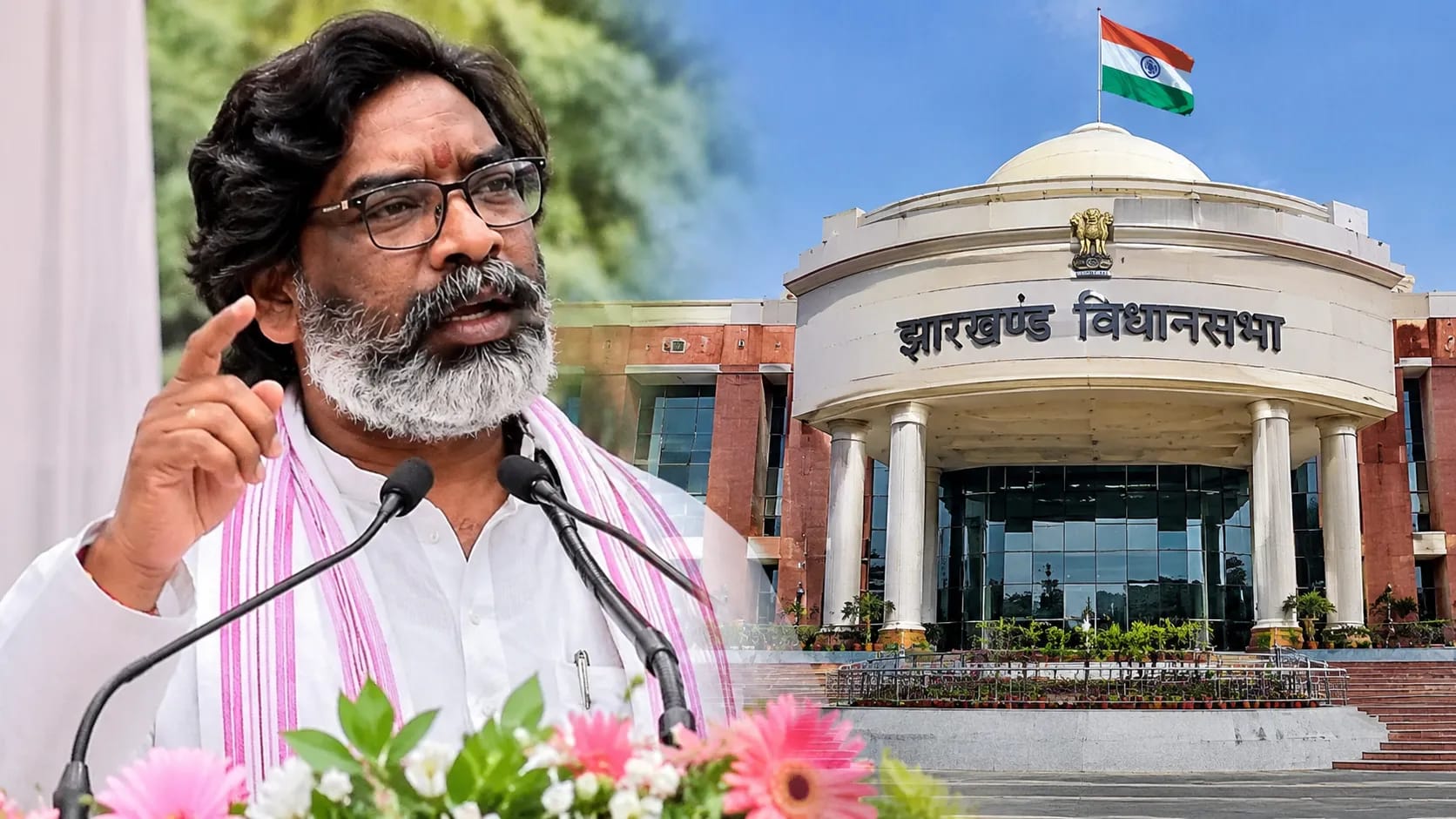
The Jharkhand Cabinet approved special Assembly sittings for November 25 and 26, 2026, to facilitate detailed discussions on the Special Intensive Revision (SIR) of electoral rolls and the Mines and Minerals (Development and Regulation) Act.
The decision, taken at a Cabinet meeting chaired by Hemant Soren on October 27, places the state government at the centre of two significant political debates involving electoral administration and the financial rights of mineral-rich states.
Why is Hemant Soren challenging the Centre's position?
The SIR process has become a major point of disagreement between the opposition parties and the Election Commission.
Opposition parties have raised concerns about the revision exercise, particularly regarding the possibility of eligible voters facing difficulties in retaining their names on electoral rolls.
The Jharkhand government wants the issue discussed inside the Assembly, where elected representatives can examine its implications.
Hemant Soren has indicated that the INDIA bloc will oppose the measures collectively.
However, the Assembly discussion will be an important opportunity to distinguish political objections from the actual administrative and legal provisions governing the exercise.
Mining law becomes another major battlefield
The second major issue concerns the Mines and Minerals (Development and Regulation) Amendment Act.
Jharkhand is a mineral-rich state, and mining revenue is important for its public finances and development priorities.
The state government has expressed concerns about changes affecting its ability to impose cess on mineral-bearing land.
The disagreement is particularly important because revenue from mineral resources can support healthcare, education, drinking water, agriculture and rural infrastructure.
The state Cabinet has also approved amendments to the schedule of the Jharkhand Mineral Bearing Land Cess Act, 2024.
What happens next?
The November 25–26 sittings will provide an opportunity for legislators to debate both issues and determine the political position the state government intends to pursue.
The debate could also strengthen the wider opposition discussion about Centre-state relations, electoral administration and the financial powers of mineral-producing states.
Political implications
For Hemant Soren, the special sittings represent an opportunity to place Jharkhand's concerns directly before the legislature.
For the BJP-led Centre, the debate could bring renewed scrutiny of its electoral and mining-related decisions.
The bigger question is whether Jharkhand's Assembly discussion will lead to a broader political confrontation or create space for further negotiations.
One thing is certain: November 25 and 26 could become important dates in Jharkhand's political calendar.


Join the discussion
Comments (0)