Former BJP MLA J.D. Solanki Returns to Congress in Gujarat Ahead of Future Electoral Battles
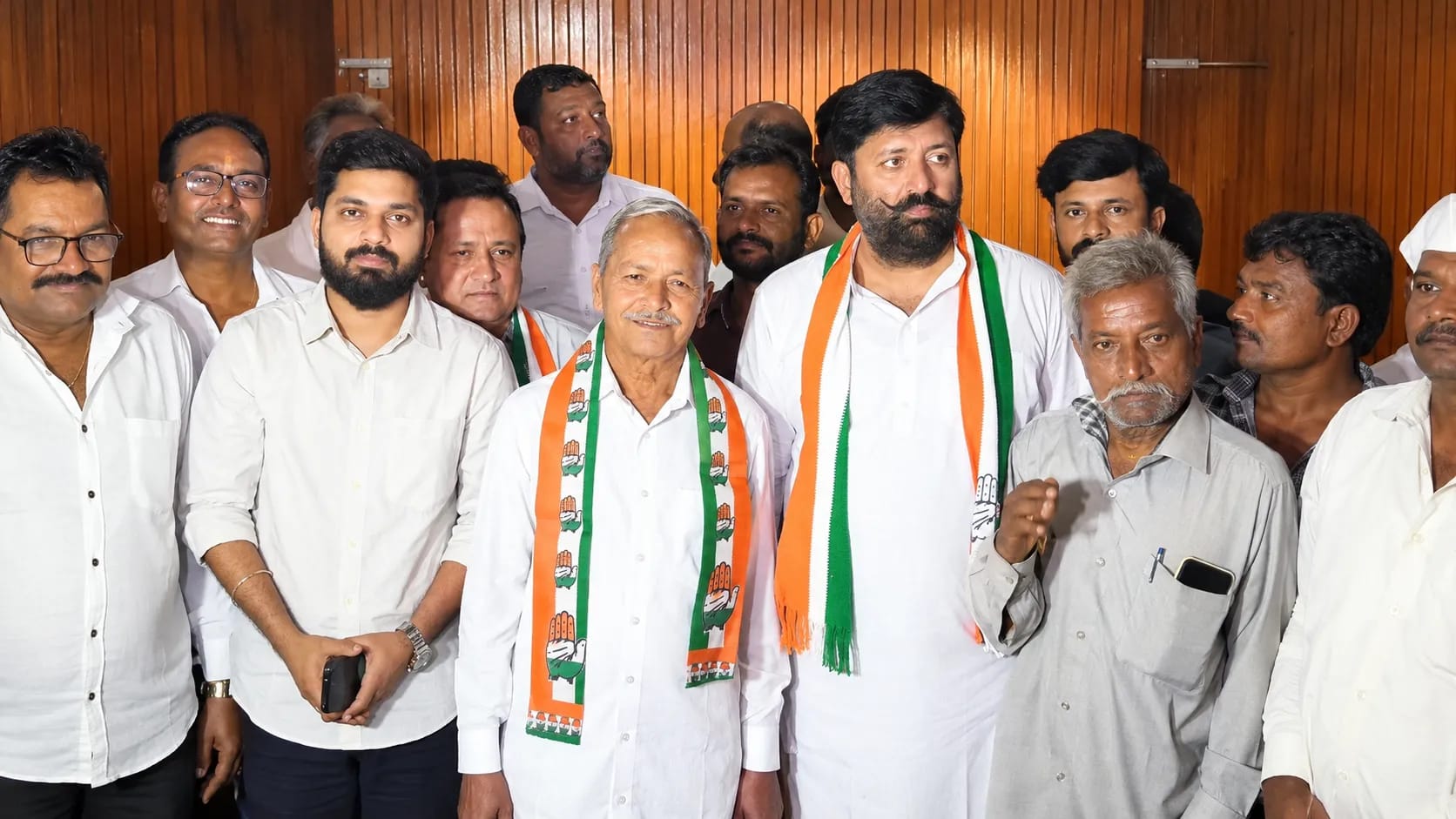
Former Bharatiya Janata Party MLA J.D. Solanki has rejoined Congress in Gujarat, creating a fresh political development in the state's party competition. The move was announced at a Gujarat Pradesh Congress meeting in Rajkot attended by senior party leaders, including state in-charge Randeep Surjewala.
Solanki previously represented the Kodinar Assembly constituency on a BJP ticket in 2012 and later left the party in 2017. His return places renewed attention on party switching, local leadership and Congress's efforts to strengthen its political presence in Gujarat.
Why Did Solanki Return to Congress?
Solanki said his decision was driven by concerns about the situation in the Kodinar region rather than personal considerations. He alleged that anti-social elements had gained influence and that residents were facing difficulties, including concerns relating to farmers and local infrastructure.
These statements reflect Solanki's explanation for changing parties. His allegations about conditions in the region should not be treated as independently established findings without further evidence or an official response.
His return to Congress gives the party an opportunity to draw on his previous political experience and local connections. Whether that translates into wider electoral support will depend on his standing among voters and the organisation's ability to build on the development.
Solanki's Political Background
Solanki's political history includes his election to the Gujarat Assembly from Kodinar as a BJP candidate in 2012 and his departure from the party in 2017.
Political movements between parties can be significant in constituencies where leaders have established relationships with local workers and voters. However, the effect of a returning politician varies according to the strength of those relationships and the circumstances surrounding the move.
A former legislator may bring name recognition and campaign experience, but voters do not necessarily transfer their support automatically from one party to another.
What Could Congress Gain?
Congress has an opportunity to use Solanki's return to reinforce its local organisation and demonstrate that it can attract leaders with experience in competing political formations.
Party switches can also help a political organisation draw attention to issues it wants to highlight. In this case, Solanki's stated concerns about Kodinar provide a local context for his decision.
However, a political announcement alone does not demonstrate that the party has expanded its voter base. Congress would need to show that the move contributes to stronger organisation, effective local engagement and a credible political programme.
The BJP's Position and the Local Contest
Solanki's return may prompt the BJP to assess its own local organisation and political messaging in the area. Yet it would be premature to conclude that his move has significantly weakened the ruling party without evidence of changes in voter support or organisational strength.
Both parties will need to demonstrate that their claims about local conditions and political priorities are supported by facts.
The wider political significance also depends on the electoral timetable. A party switch may become more consequential if it affects candidate selection, campaign coordination or negotiations within the local political landscape.
Why Party Switching Matters
Political defections and returns can reveal shifting relationships between leaders and parties. They may reflect ideological disagreements, dissatisfaction with party decisions, constituency-level concerns or calculations about future political opportunities.
No single explanation should automatically be applied to every case. Leaders' stated reasons should be reported accurately, while their broader political consequences require separate analysis.
What Happens Next?
The key questions are whether Solanki takes on a formal organisational role, how Congress integrates him into its local structure and whether the party develops a sustained political campaign around the concerns he has raised.
His return is a confirmed political development, but its electoral impact remains uncertain.
For Congress, the immediate opportunity is to turn the announcement into stronger local engagement. For the BJP, the development is a reminder that party organisation and relationships with regional leaders remain important in competitive state politics.

Join the discussion
Comments (0)