Election Commission SSR 2026: 17 States Begin Voter-List Preparations Ahead of Crucial 2027 Elections
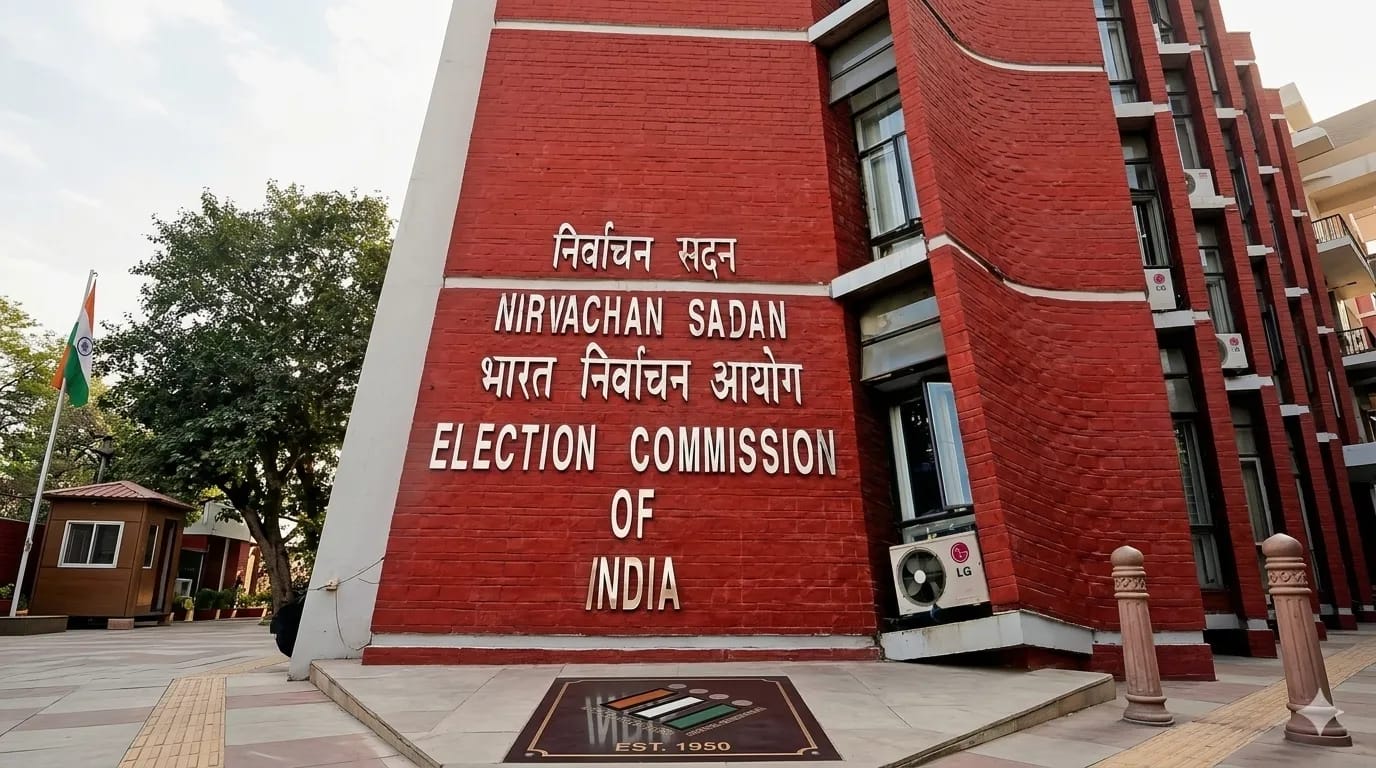
The Election Commission of India has announced a Special Summary Revision (SSR) of electoral rolls across 17 states and Union Territories, bringing voter registration and electoral preparedness into focus ahead of the next Assembly election cycle.
The announcement, reported by News on AIR on 16 October 2026, sets 1 January 2027 as the qualifying date for the principal revision exercise. The move is particularly relevant to states expected to hold Assembly elections in 2027, including Uttar Pradesh, Punjab, Uttarakhand, Goa and Manipur.
Electoral-roll revision is a regular part of election administration. However, it can also become a major political issue when parties raise questions about voter enrolment, missing names, deletions and the transparency of verification procedures.
What Has the Election Commission Announced?
The Election Commission has directed the following 17 states and Union Territories to undertake the Special Summary Revision:
- Andaman and Nicobar Islands
- Assam
- Bihar
- Chhattisgarh
- Goa
- Gujarat
- Kerala
- Lakshadweep
- Madhya Pradesh
- Manipur
- Puducherry
- Punjab
- Rajasthan
- Tamil Nadu
- Uttar Pradesh
- Uttarakhand
- West Bengal
The Commission's reported instructions emphasise the enrolment of eligible citizens who may have been left out, including young people and first-time voters.
The Electoral Registration Officer for the relevant Assembly constituency is responsible for ensuring that eligible citizens are enrolled and that the electoral roll is maintained in accordance with the applicable rules.
Because this is a summary revision, it should not be confused with the Special Intensive Revision (SIR), which involves a different verification exercise.
Why Does This Matter for Political Parties?
The revision has political significance because several states covered by the exercise are expected to face Assembly elections in 2027.
In Uttar Pradesh, the BJP and opposition parties, including the Samajwadi Party and Congress, will be preparing for the next electoral contest. In Punjab, the Aam Aadmi Party government faces a future election in which the Congress, BJP and other political parties will seek to challenge or defend their positions.
Goa, Uttarakhand and Manipur will also see political competition shaped by local issues, party organisation, leadership and public expectations.
Accurate voter registration is essential for all political parties. A missing eligible voter can lose the opportunity to participate, while incorrect entries can create confusion during election administration.
The ruling parties have an interest in ensuring that the electoral process functions smoothly. Opposition parties have a legitimate role in scrutinising the process and reporting genuine discrepancies. The Election Commission, however, must administer the revision impartially and in accordance with the law.
What Should Voters Do?
Citizens in the states covered by the exercise should check their enrolment status through official Election Commission channels and consult their Electoral Registration Officer if corrections are required.
Young people approaching voting age should check the applicable eligibility dates and enrolment procedures. Citizens who have moved residence or discovered errors in their records should use the prescribed forms and submit the required information.
The Commission's reported instructions also allow advance applications for people who become eligible on the subsequent qualifying dates of 1 April, 1 July and 1 October 2027.
The detailed process and deadlines should be checked against the latest official instructions issued by the Election Commission or the relevant Chief Electoral Officer.
What Happens Next?
The next important stage is the publication and examination of the revised electoral rolls, followed by the prescribed process for claims, objections and corrections.
Political parties are likely to monitor the process closely, particularly in states preparing for Assembly elections. Their scrutiny can help identify genuine errors, but the resolution of individual cases must remain with the competent election authorities.
The broader question is whether the revision will make it easier for eligible citizens to register while maintaining the accuracy and credibility of electoral rolls.
As India approaches another important state election cycle, the success of the exercise will be measured not by political claims alone, but by transparent procedures, accessible voter services and the fair handling of legitimate objections.
A reliable electoral roll is a basic requirement of a credible election. The priority should be clear: every eligible citizen must have a fair opportunity to register, and every correction must follow the law.


Join the discussion
Comments (0)