
AAP Announces Delhi Protest Against Chief Election Commissioner Gyanesh Kumar
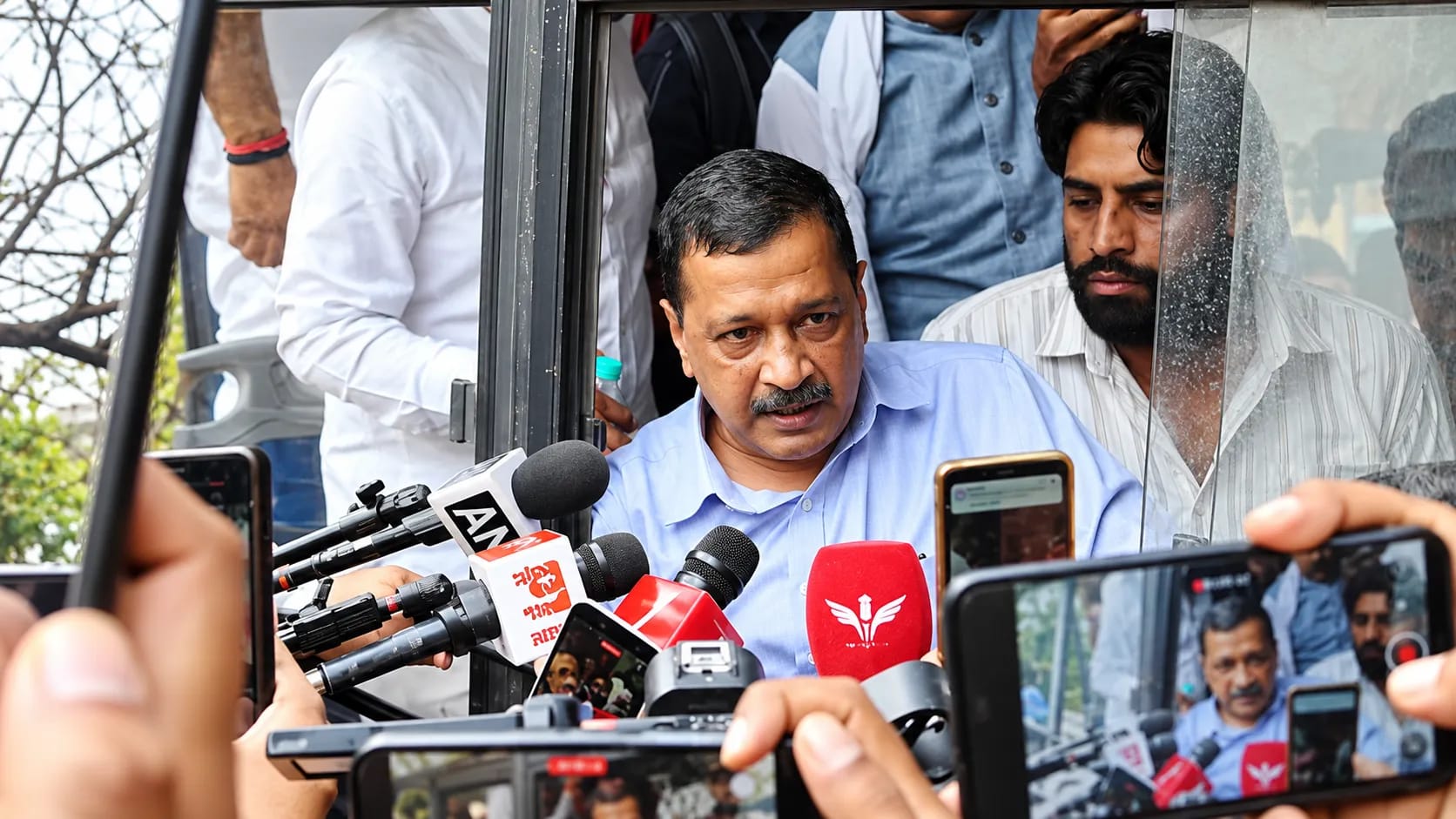
The Aam Aadmi Party announced plans for a protest in Delhi on 15 October 2026 against Chief Election Commissioner Gyanesh Kumar, with party leaders demanding his resignation over allegations concerning electoral-roll revision. The announcement was made by Delhi AAP leader Saurabh Bharadwaj, who said party representatives from different organisational levels would participate.
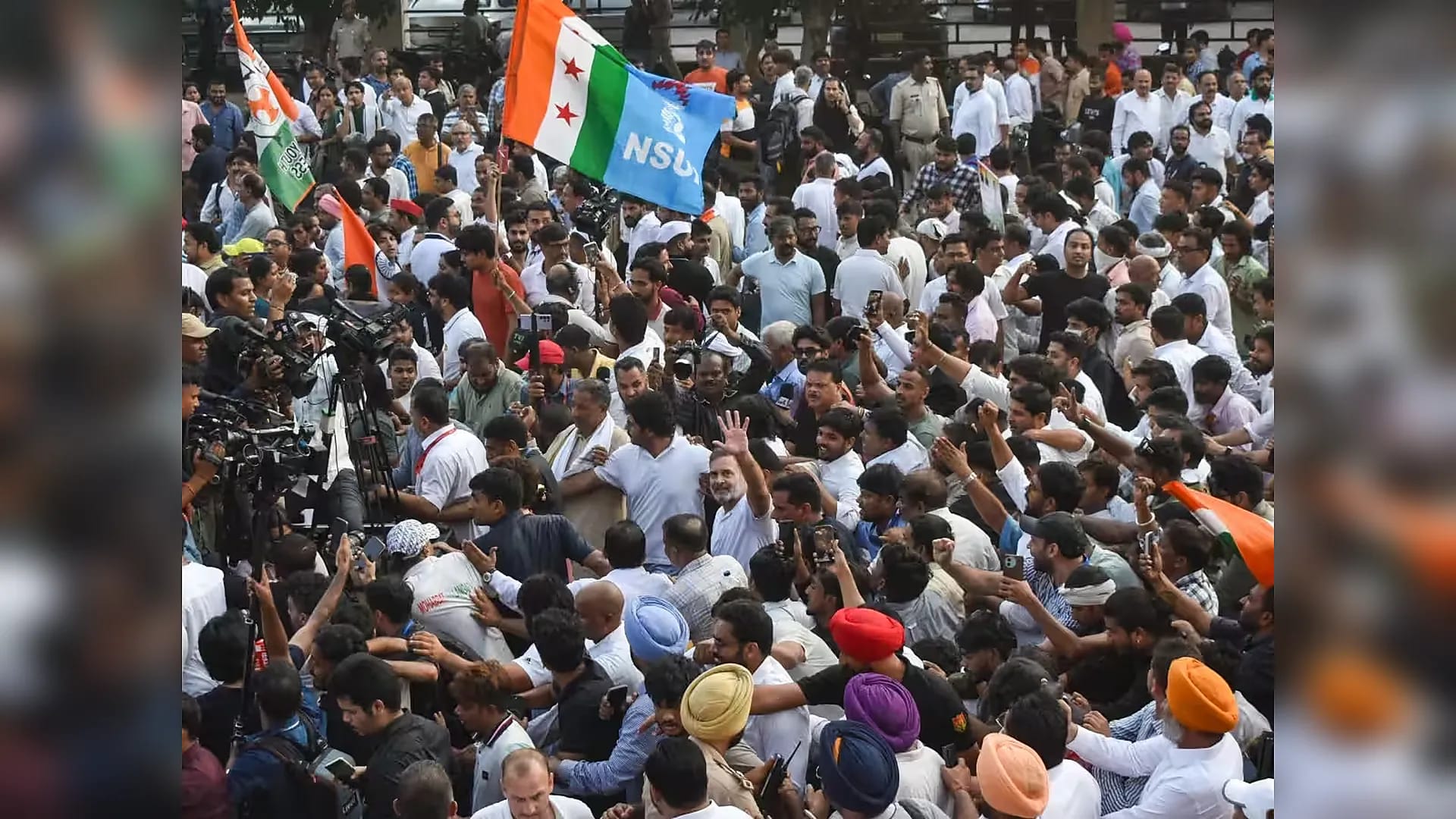
The proposed demonstration comes amid wider opposition criticism of the Election Commission’s Special Intensive Revision of electoral rolls. The controversy has involved political protests, legal petitions and competing claims about the process used to update voter records.
AAP’s Stated Position
According to the announcement, AAP’s immediate demand is the resignation of the Chief Election Commissioner. Bharadwaj said the party intended to continue its protest through peaceful means.
The demand reflects the party’s political position and its criticism of election administration. It should not be presented as a finding that the Chief Election Commissioner or the Election Commission has committed wrongdoing. Any such conclusion would require evidence and the relevant legal or official determination.
AAP’s participation adds another political organisation to the campaign surrounding electoral-roll revision. The party has indicated that its elected representatives and office-bearers would be involved in the demonstration.
Background to the Electoral-Roll Dispute
Electoral rolls are the official lists of registered voters in individual constituencies. They must be maintained under the applicable election laws and procedures. Revision exercises can involve additions, corrections and deletions where the relevant requirements are met.
The current controversy concerns the process and consequences of the Special Intensive Revision. Opposition parties have raised questions about the scale of changes and the safeguards available to voters whose names may be removed. The Election Commission has defended the process and stated that affected eligible voters can seek registration through prescribed channels.
These positions should be assessed using the available records. The number of names changed, the reasons for those changes and the handling of objections are relevant to understanding the process. Claims about political motivation require evidence and should be attributed to the people making them.
The Role of the Chief Election Commissioner
The Chief Election Commissioner leads the Election Commission, which has constitutional responsibilities relating to elections. The Commission administers electoral processes under the Constitution and applicable laws, including arrangements for electoral rolls, polling and the declaration of results.
Calls for a resignation are political demands; they do not automatically alter the officeholder’s legal position. Any change in the position must follow the applicable constitutional and legal framework.
The dispute also raises broader questions about public trust in election administration. Confidence depends on clear procedures, accessible information and the handling of complaints through established mechanisms. Citizens should be able to understand how electoral-roll decisions are made and how errors can be corrected.
Protests and Public Order
Public demonstrations provide a way for political parties and citizens to express disagreement. They are subject to applicable laws and restrictions concerning public order, safety and the regulation of gatherings.
The legality of a particular restriction depends on the relevant facts and legal provisions. Police decisions, protest conditions and any action against demonstrators should therefore be reported using official information and the applicable legal record.
A party’s announcement of a protest should also be distinguished from confirmation that the event took place as planned. Updates about attendance, police action or subsequent legal proceedings should be added only when supported by reliable reporting or official statements.
What Happens Next?
The next developments will depend on the protest, any official response from the Election Commission and the progress of related legal proceedings. The party’s demand is clear, but the legal status of the Chief Election Commissioner is determined by the applicable framework rather than by a political announcement.
The dispute remains relevant because it concerns the administration of elections and the mechanisms available to challenge decisions. A balanced assessment requires examining the party’s allegations, the Election Commission’s response and the evidence available about the revision process.


Join the discussion
Comments (0)