UP MLC Election 2026: Will BJP Face a Setback or Will SP Deliver a Major Upset? Battle for 11 Seats
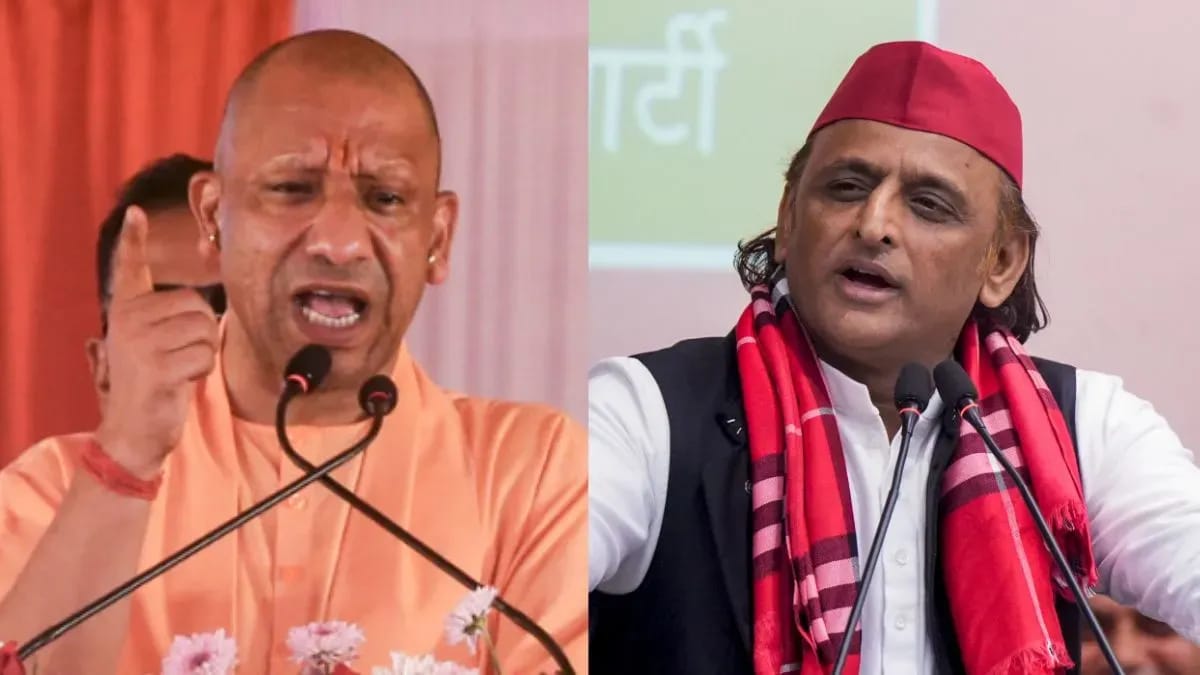
Lucknow: Political activity has intensified in Uttar Pradesh as counting gets underway for the 2026 Legislative Council (MLC) elections. Counting for 11 seats began on October 27, with five graduate constituencies and six teachers' constituencies included in the electoral contest. A total of 152 candidates reportedly contested these seats.
The contest between the Bharatiya Janata Party (BJP) and the Samajwadi Party (SP) is attracting particular attention. With the Uttar Pradesh Assembly elections scheduled for 2027, the MLC results are being viewed as an opportunity for political parties to assess their organisational strength, voter outreach and electoral strategies.
Counting Begins for 11 Seats Across Seven Cities
Polling for the 11 Uttar Pradesh Legislative Council seats took place on October 23. Counting centres were established in Lucknow, Varanasi, Agra, Meerut, Jhansi, Bareilly and Gorakhpur.
Authorities strengthened security arrangements at the counting centres and introduced monitoring measures, including CCTV cameras and videography, to support transparency in the counting process.
Graduate and teacher voters play a crucial role in these elections. Local issues, candidates' personal influence and the organisational strength of political parties can all affect the results in individual constituencies.
Why Are the Elections Important for BJP and SP?
For the BJP, a strong performance would provide an opportunity to demonstrate its organisational strength and maintain political momentum ahead of the 2027 Assembly elections.
The Samajwadi Party, meanwhile, will look to strengthen its position as a major opposition force by securing a favourable outcome in the Legislative Council elections.
However, MLC election results cannot be treated as a direct prediction of the Assembly election outcome. Graduate and teachers' constituencies have different electorates and electoral dynamics from Assembly constituencies. Nevertheless, the results may offer political parties useful insights into their support base and campaign strategies.
Election Commission Action in Agra Teachers' Constituency
The Agra Division Teachers' constituency has also attracted attention following reports of irregularities during polling.
According to media reports, the Election Commission declared polling at booths numbered 20, 21 and 26 invalid. Reports also indicated that six officials were suspended and disciplinary action was directed against other polling personnel and police officers.
The action has renewed discussion about electoral transparency, polling procedures and administrative accountability. The final implications for the constituency should be assessed using official election notifications and updated results.
UP MLC Results Could Shape Political Discussions Ahead of 2027
The 2026 Legislative Council elections come at a significant time for Uttar Pradesh politics. Both the BJP and the Samajwadi Party are preparing for the next Assembly election, making every electoral contest an opportunity to evaluate political support and organisational readiness.
The MLC results may provide insights into the parties' performance among graduate and teacher voters. However, broader voter sentiment will also depend on local issues, candidates, social coalitions and other political developments.
Conclusion
The Uttar Pradesh MLC Election 2026 has brought the BJP-SP political contest back into focus. The results across 11 Legislative Council seats are important for the parties' representation and may influence political discussions ahead of the 2027 Assembly elections.
Whether the results produce a major upset or maintain the existing political balance must be determined by the officially declared constituency-wise outcomes.
Editorial note: This article is based on preliminary information and reported developments available for October 27, 2026. Verify the final seat-wise results, winning candidates and official election notifications before publishing updates.


Join the discussion
Comments (0)