
Siang Dam Controversy Intensifies as Arunachal Congress Demands Cancellation of 11,200-MW Project
Introduction
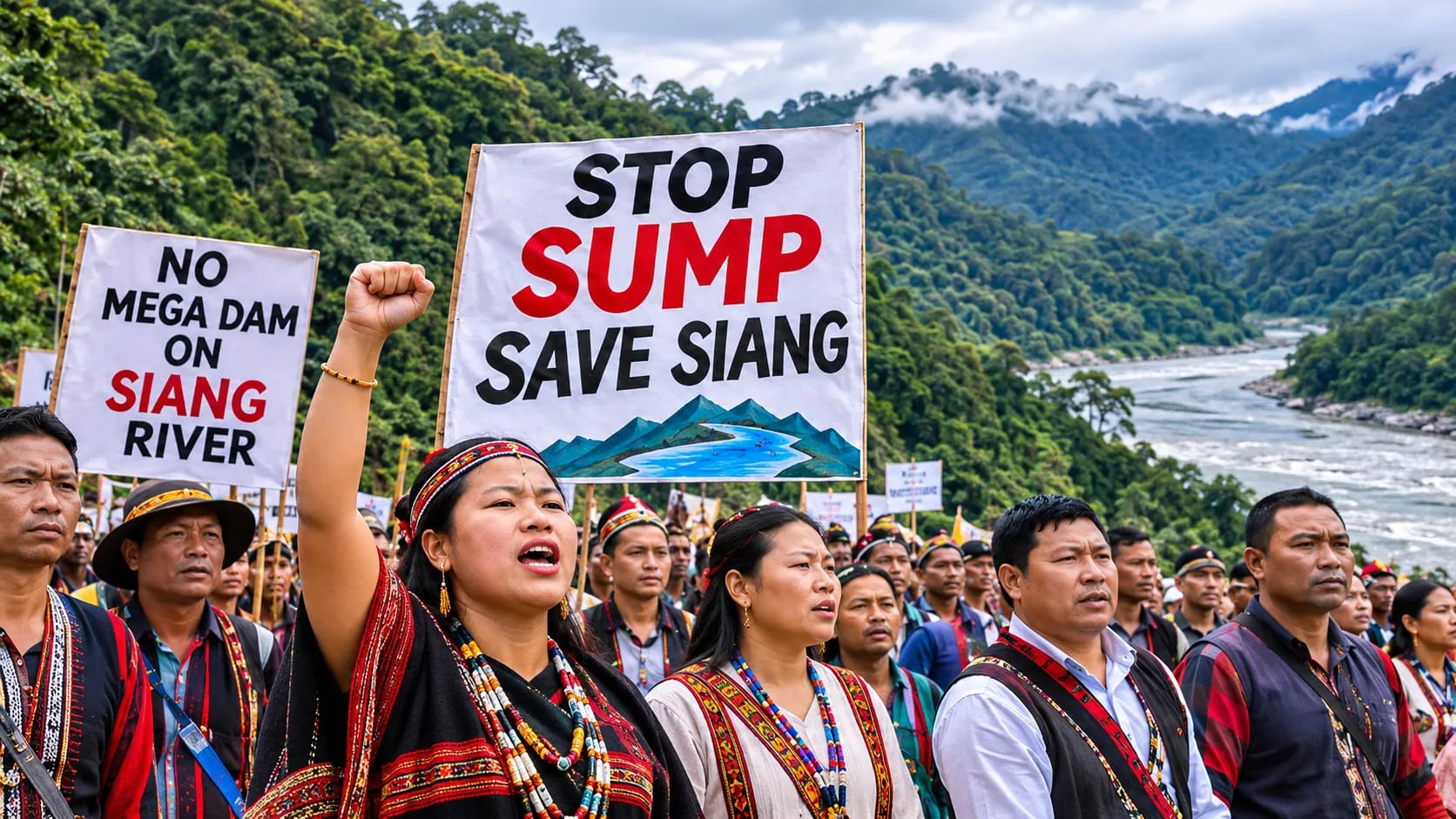
A major political and development controversy is unfolding in Arunachal Pradesh over the proposed 11,200-megawatt Siang Upper Multipurpose Project (SUMP). The massive hydropower proposal has become the centre of protests, political statements and growing disagreements between the government, opposition parties and sections of indigenous communities.
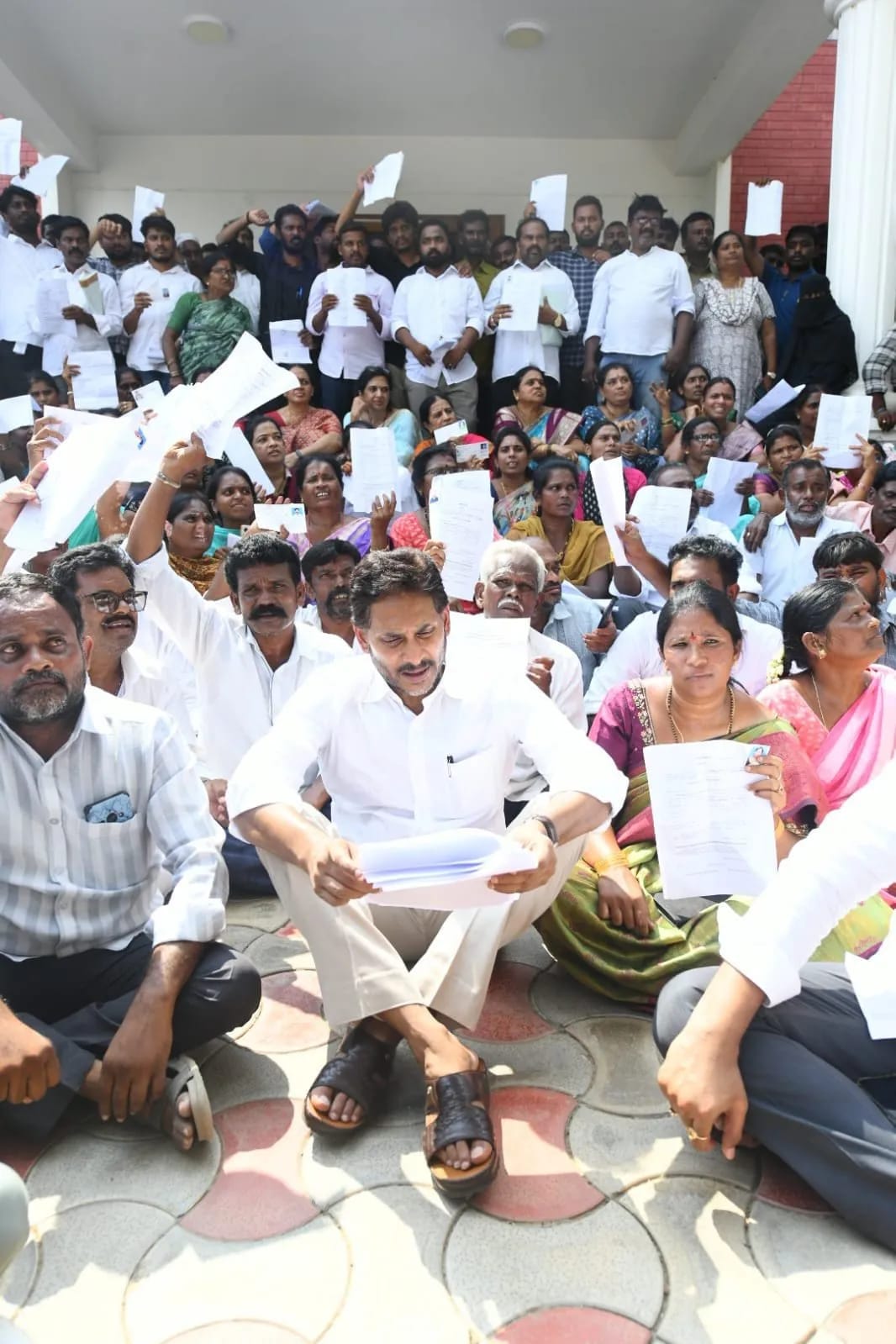
The Arunachal Pradesh Congress Committee (APCC) has demanded that the proposed project be permanently scrapped. The party has also called for the release of protesters detained during demonstrations and the withdrawal of cases registered against people opposing the project.
Congress Demands Permanent Cancellation of Siang Project
On November 2, the Arunachal Pradesh Congress Committee issued a strong appeal against the proposed hydropower project.
The party argued that development should not come at the expense of indigenous communities' ancestral land, identity, culture and livelihoods.
Under the slogan 'Stop SUMP, Save Siang', the Congress urged indigenous organisations, student unions, youth groups, civil society organisations and traditional institutions to unite against the project.
The party also demanded the release of arrested protesters and the withdrawal of cases registered under the Arunachal Pradesh Unlawful Activities (Prevention) Act, subject to due process.
Why Is the Siang Project Facing Opposition?
The proposed project is planned on the Siang River, which holds significant geographical, cultural and economic importance for communities living in the region.
Sections of the indigenous Adi community have raised concerns about the possible consequences of constructing a mega dam.
Their apprehensions include:
Possible submergence of ancestral villages.
Displacement of families living in project-affected areas.
Loss of agricultural land and forests.
Disruption of traditional livelihoods.
Environmental consequences for the Siang River ecosystem.
Long-term effects on indigenous culture and community life.
Pema Khandu Says No Construction Decision Has Been Taken
Amid growing protests, Chief Minister Pema Khandu clarified the government's position on the proposed project.
According to reports published on November 3, Khandu stated that neither the state government nor the Union government had taken a final decision regarding construction.
He explained that the immediate exercise concerned preparation of a Pre-Feasibility Report (PFR), intended to assess the project's viability and potential implications.
Protests and Political Tensions Intensify
The controversy has also affected the law-and-order situation in parts of the Siang region.
Demonstrations against the proposed project have taken place amid heightened tensions. Reports have also described violent incidents, damage to vehicles and the deployment of security personnel.
A 36-hour bandh called in the Upper Siang region disrupted normal activities.
The Congress has criticised the action taken against protesters and demanded steps to restore normalcy.
Why the Project Matters Beyond Arunachal Pradesh
The Siang project is significant not only because of its proposed electricity-generating capacity but also because of its strategic geographical location.
The Siang River is connected to the Yarlung Tsangpo River system, which originates in Tibet and enters India as the Siang.
China's proposed large hydropower development on the upper reaches of the river has added a strategic dimension to India's planning in the region.
Consequently, the project is discussed in the context of energy security, water management and India's infrastructure priorities in the northeastern frontier.
However, strategic importance does not automatically resolve the concerns of communities living in the proposed project area.
What Happens Next?
The immediate questions concern the government's next steps, the preparation of the feasibility report, the status of detained protesters and the possibility of further negotiations.
The Congress has made its position clear by demanding permanent cancellation.
The Chief Minister, meanwhile, has emphasised consultation and clarified that construction has not been approved.
The coming developments will determine whether dialogue can reduce tensions or whether the controversy continues to generate political confrontation.
Conclusion
The Siang hydropower controversy has developed into a major political issue for Arunachal Pradesh.
With the Congress demanding cancellation and indigenous groups expressing concerns over displacement and cultural preservation, the government faces questions about transparency, consultation and development priorities.
For the people living along the Siang River, the issue concerns more than a proposed power project. It concerns their land, livelihoods and future.


Join the discussion
Comments (0)