
Punjab Farmers' Protest in Fazilka: Rainwater and Procurement Concerns

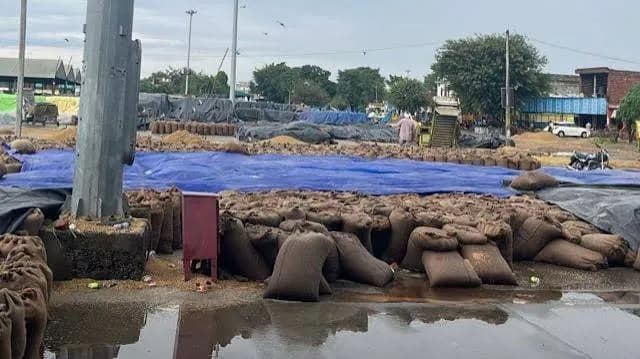
Farmers and commission agents in Punjab's Fazilka have raised concerns about conditions at a local agricultural market after rainwater reportedly flooded parts of the mandi. The incident has drawn attention to drainage, storage arrangements and the practical difficulties farmers can face when bringing produce to market.
Agricultural procurement is an important issue in Punjab because the movement of produce from farms to markets depends on infrastructure, storage capacity and administrative coordination. When market facilities are affected by waterlogging, farmers may face additional uncertainty about handling and selling their harvest.
What Happened in Fazilka?
A report published on October 12, 2026, described protests by farmers and commission agents over conditions at Fazilka's mandi. The report highlighted concerns about drainage and storage arrangements after rainwater affected the market area.
The specific impact on procurement, individual consignments and market operations should be established through official statements and on-site records. The protest itself indicates that those involved have raised concerns, but the full scale of disruption requires verification.
Why Mandi Infrastructure Matters
Agricultural markets provide facilities where farmers bring produce for sale and where procurement and trading activities take place. Drainage, storage, access roads and handling arrangements can affect how efficiently a mandi operates.
Waterlogging can create practical problems, including difficulty moving vehicles, protecting produce and maintaining orderly market operations. The extent of the impact depends on the quantity of water, the condition of the facilities and the time required to restore normal operations.
Market infrastructure is therefore not merely a local maintenance issue. It can affect farmers' ability to bring their harvest to market and the efficiency of the procurement process.
Procurement and Administrative Responsibility
Procurement arrangements involve multiple operational responsibilities. Depending on the market and crop, these may include procurement agencies, market committees, storage operators and state departments.
When a complaint is raised, the relevant authorities should establish which facilities were affected, what arrangements were available and whether additional measures are required. Statements about responsibility should be supported by records rather than assumptions.
Farmers and commission agents can document problems and raise them through the appropriate market and administrative channels. Timely communication can help clarify whether the issue concerns drainage, storage capacity, procurement scheduling or another operational problem.






Join the discussion
Comments (0)