
Karnataka Voter List Controversy: What the Vijayapura FIR Means
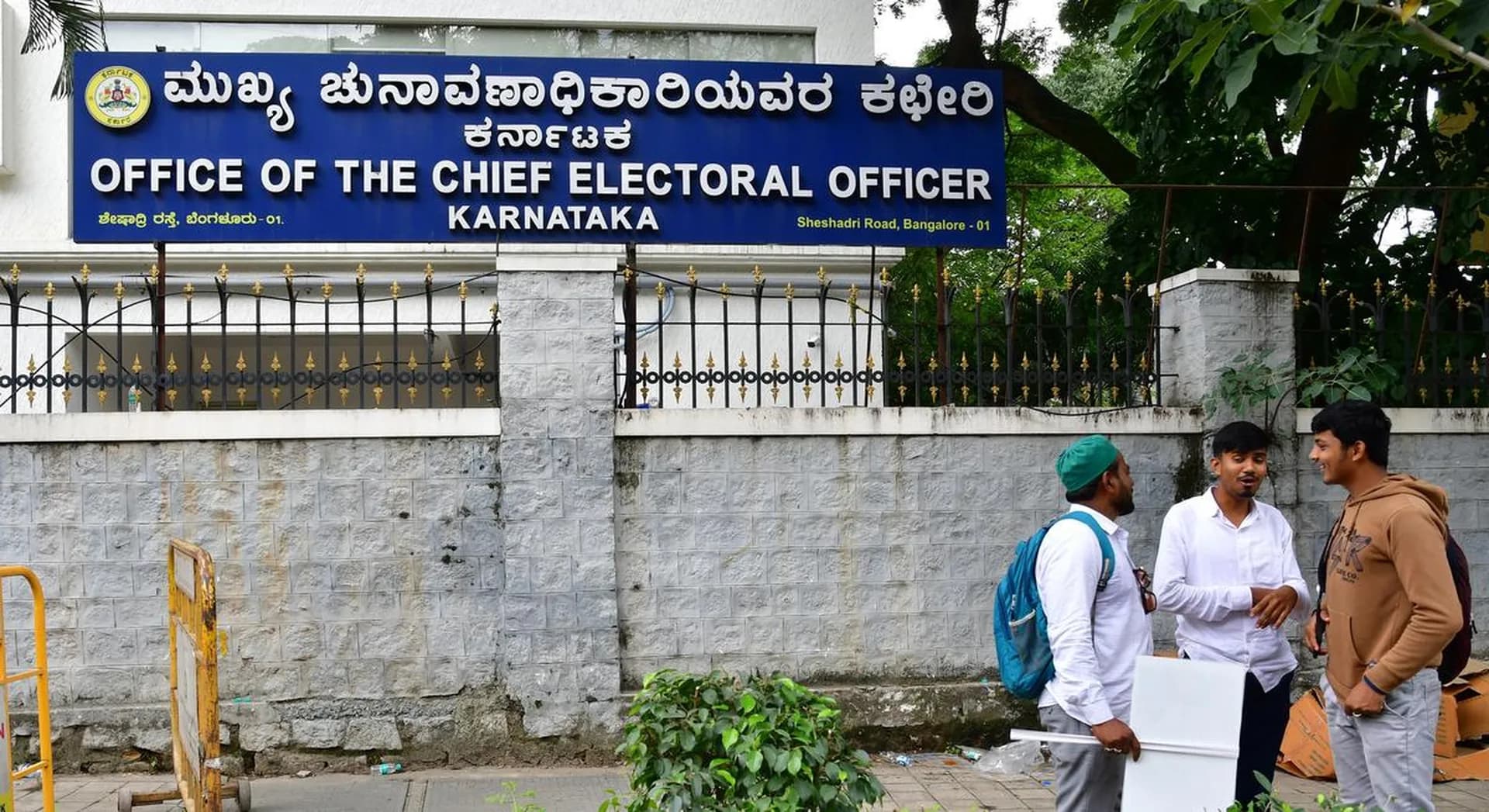
An alleged voter-list manipulation case in Karnataka's Vijayapura has drawn attention to the safeguards required when electoral records are revised. The case concerns complaints that some individuals were incorrectly marked as deceased, raising questions about documentation, verification and the protection of eligible voters.
The matter is particularly significant because electoral rolls determine which registered citizens can participate in elections. Any allegation involving false documents or incorrect deletions must be examined carefully through official records and the legal process.
What Happened in Vijayapura?
A report published on October 10 described an FIR involving allegations that forged death certificates were submitted in connection with attempts to remove names from electoral records during the Special Intensive Revision process.
One complainant, Abdulrajaq Moulasab Bagawan, reportedly discovered that he had been recorded as deceased despite being alive. The report said that eight people were allegedly affected, including six women and two men.
Why Are Death Records Relevant?
Electoral authorities need accurate records to identify entries that may no longer be valid. Information about deceased electors can be relevant to maintaining electoral rolls, but any proposed deletion must follow the prescribed verification process.
A false death record can have consequences beyond an administrative error. If an eligible citizen is incorrectly recorded as deceased and removed from the electoral roll, that person may face difficulties restoring registration and exercising voting rights.
What Is the Role of Electoral Officials?
Electoral Registration Officers and other authorised officials handle voter registration and related procedures under applicable election laws and instructions.
When a deletion is proposed, the relevant authorities must follow the prescribed rules and examine the available information. Complaints about forged documents or inaccurate entries should be referred to the appropriate authorities for investigation.
Political Responsibility and Due Process
The case has also entered Karnataka's political debate. Reports identify a complaint involving BJP MLA Basanagouda Patil Yatnal, who has said he reported deceased voters. The allegations concerning the documents remain subject to investigation, and responsibility must be determined through evidence and due process.
Political parties may demand accountability, but they should distinguish allegations from established findings. Investigators must examine the documents, the circumstances in which they were submitted and the roles of the individuals involved.
Conclusion
The Vijayapura case highlights the importance of accurate documentation and proper verification during electoral roll revision. Allegations involving false death records require investigation, while affected citizens need accessible procedures to protect their registration.
Join the discussion
Comments (0)