Andhra Pradesh Local Poll Row: TDP and YSRCP Trade Allegations of Violence and Intimidation
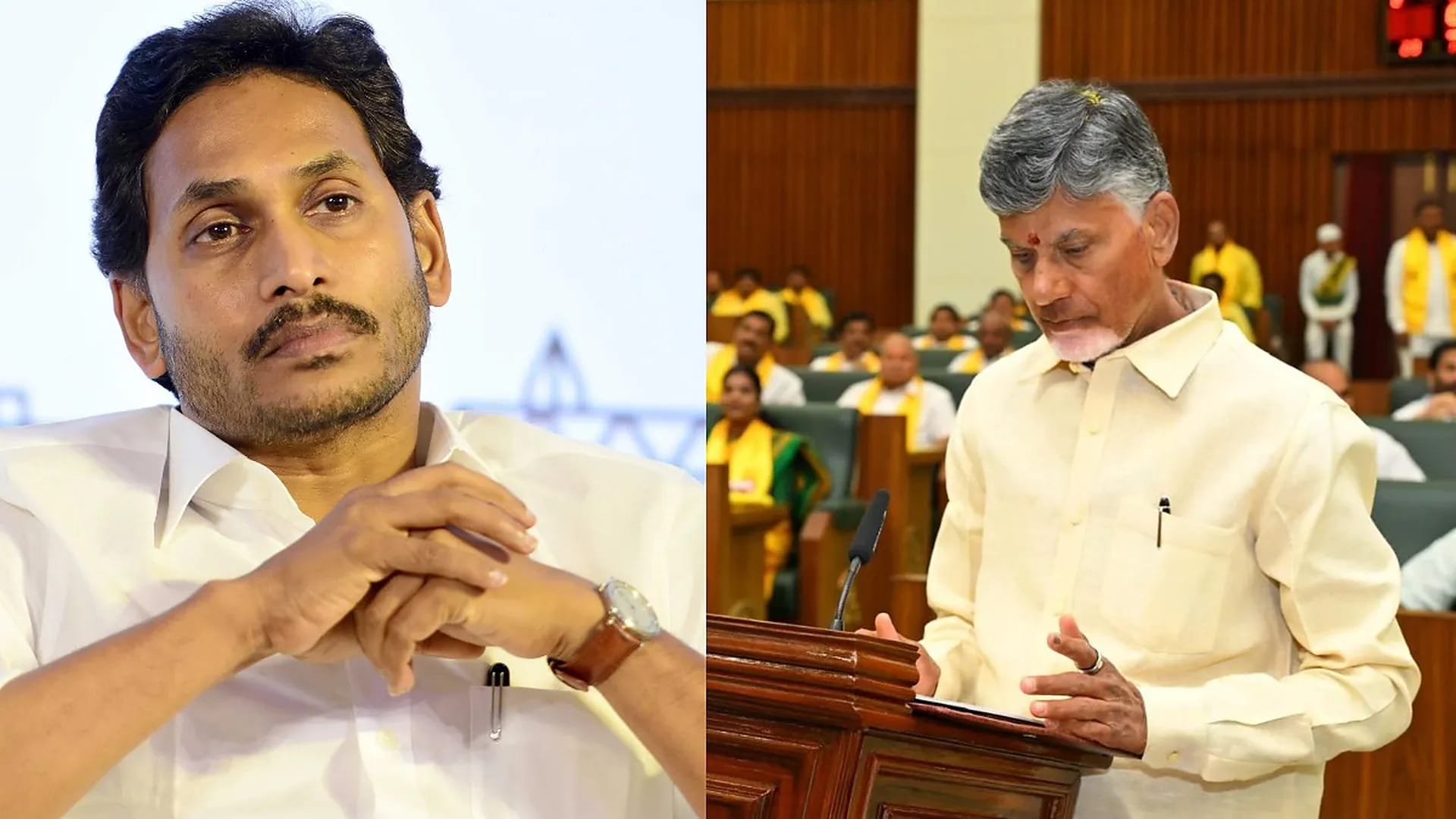
Andhra Pradesh's local-body election process has become a political flashpoint, with YSRCP accusing the Naidu government of failing to ensure compliance with Supreme Court directions and TDP accusing YSRCP cadres of intimidation and disruption. The competing allegations put election security and nominatioPolitical tensions have risen in Andhra Pradesh ahead of local-body elections as the ruling Telugu Desam Party (TDP) and the opposition YSR Congress Party (YSRCP) have traded allegations of attacks, intimidation and interference in the nomination process.
The dispute has brought election security and the administration of local polls into focus, with both sides accusing their opponents of undermining a fair contest.
What Is the Dispute About?
YSRCP chief Y. S. Jagan Mohan Reddy has accused the government led by Chief Minister N. Chandrababu Naidu of failing to comply with Supreme Court directions relating to poll security.
YSRCP has raised concerns about the conditions under which candidates are participating in the nomination process and has sought action to ensure that the elections are conducted fairly.
The TDP, meanwhile, has accused YSRCP cadres of attacking leaders, intimidating candidates and disrupting the nomination process.
These are competing allegations made by rival political parties. The claims should not be treated as established findings unless supported by official records, investigation results or relevant judicial decisions.
Why Election Security Matters
Local-body elections determine representation in institutions that operate closer to communities than state legislatures. The nomination process is an important stage because candidates must be able to participate under the applicable election rules.
Allegations of intimidation can raise concerns about whether candidates can submit nominations freely and campaign without improper pressure.
At the same time, claims of political violence require careful verification. The identity of those involved, the circumstances of each incident and the response of the authorities must be established before responsibility can be assigned.
The role of election officials and law-enforcement agencies is particularly important when rival parties make conflicting accusations.
The Supreme Court Dimension
YSRCP has argued that the state government is not following Supreme Court directions relating to election security. The precise terms of any relevant judicial order, its scope and the actions required of state authorities need to be checked against the court record.
A political party's interpretation of an order is not the same as a judicial finding that the order has been violated.
For a complete account, the relevant order, any subsequent proceedings and the official response from the state government should be examined together.
TDP's Counter-Allegations
The TDP has also accused YSRCP supporters of violence and interference with candidates during the nomination process.
These allegations highlight the wider difficulty of maintaining confidence in an election when rival parties claim that the other side is using intimidation.
Neither side's political position should be accepted as conclusive without evidence. A neutral report should explain what each party alleges and what the authorities have independently confirmed.
Political Competition in Andhra Pradesh
The confrontation reflects the continuing rivalry between the TDP-led governing side and YSRCP, which remains a significant opposition force in the state.
Both parties have an incentive to shape the public narrative surrounding the local elections. The ruling party faces scrutiny over its responsibility for maintaining public order and implementing election procedures. The opposition seeks to demonstrate that it can challenge the government and defend its candidates' ability to participate.
However, the credibility of either side's claims depends on evidence rather than the intensity of its political statements.
What Should Be Verified Next?
The key questions include whether complaints have been formally registered, what the police and election authorities have confirmed, and what the relevant Supreme Court directions require.
It is also important to establish whether any official decision has been made about the continuation of nominations or the election schedule.
Until these details are confirmed, the dispute should be described as a political confrontation involving competing allegations rather than proof that one party is responsible for every reported incident.


Join the discussion
Comments (0)