UP CEO Orders Scrutiny of Voter Roll Forms After Irregularities in Pilibhit and Azamgarh
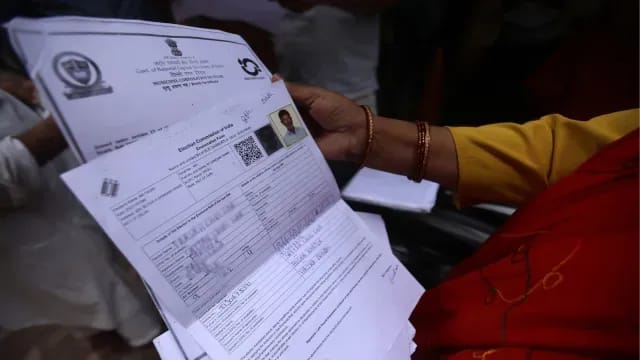
The electoral registration process in Uttar Pradesh has come under renewed scrutiny after discrepancies were reported in voter rolls in Pilibhit and Azamgarh Assembly constituencies. In response, Uttar Pradesh Chief Electoral Officer (CEO) Navdeep Rinwa has directed officials to examine applications entered by computer assistants to identify possible irregularities.
According to a report published by The Indian Express on October 26, 2026, the directive covers Forms 6, 7 and 8 entered by computer assistants since the conclusion of the Special Intensive Revision (SIR) on April 10, 2026. The CEO has also warned that strict action will be taken against officials responsible for any recurrence of irregularities.
Pilibhit and Azamgarh Discrepancies Trigger Action
The order follows the emergence of discrepancies in electoral rolls in Pilibhit and Azamgarh. The report states that computer assistants in both districts were removed from their positions after the discrepancies came to light.
The latest directive expands scrutiny beyond the two constituencies, requiring officials to review the relevant applications entered by computer assistants since the specified date.
The move highlights the importance of accurate data entry and verification in maintaining electoral rolls, particularly during a revision exercise that can affect the inclusion, deletion and correction of voter details.
What Are Forms 6, 7 and 8?
The Election Commission uses different forms to manage changes to electoral rolls. Each form serves a distinct purpose.
Form 6: Inclusion of names
Form 6 is used to apply for the inclusion of an eligible person's name in the electoral roll. Accurate processing is essential to ensure eligible voters can exercise their voting rights.
Form 7: Objections and deletion requests
Form 7 is used to object to the proposed inclusion of a name or request the deletion of an existing entry. Applications involving deletion require appropriate scrutiny to prevent eligible voters from being wrongly removed.
Form 8: Corrections and updates
Form 8 is used for updating or correcting voter details and for requests involving replacement of the Electors Photo Identity Card (EPIC), subject to the applicable procedures.
Errors in processing any of these forms can affect the accuracy and reliability of electoral records, making verification and accountability particularly important.
CEO Warns Officials Against Further Irregularities
Navdeep Rinwa has directed officials to scrutinise the specified applications entered by computer assistants after April 10, 2026. The warning of strict action signals an effort to strengthen oversight and prevent similar discrepancies from recurring.
The review is expected to focus on the accuracy of applications and the procedures followed during data entry. The supplied report does not specify the total number of forms under scrutiny or the number of entries ultimately found to be incorrect.
The findings of the review will be important in determining the extent of the discrepancies and whether additional corrective measures are necessary.
SIR and Electoral Roll Accuracy in Uttar Pradesh
The Special Intensive Revision is intended to support the preparation and verification of electoral rolls. Such exercises require accurate records, effective verification and clear accountability among officials responsible for processing voter applications.
Discrepancies in voter records can raise concerns about whether names have been correctly included, deleted or updated. At the same time, individual errors must be examined on the basis of verified evidence rather than assumptions about their cause or intent.
The scrutiny ordered by the Uttar Pradesh CEO places the focus on the administrative process and the need to ensure that voter records remain accurate and eligible electors are not unfairly affected.
What Happens Next?
The outcome of the review will help establish whether the reported discrepancies were isolated data-entry problems or reflected wider procedural shortcomings. Further action may depend on the findings and the identification of any responsibility for errors.
For voters, the central concern is that applications for inclusion, deletion and correction are handled fairly and accurately. Transparent verification and timely correction of genuine mistakes will be important for maintaining confidence in the electoral process.
This article is based on the report supplied from The Indian Express, updated on October 26, 2026. The findings of the broader scrutiny were not provided in the source text.

Join the discussion
Comments (0)