
Delhi Protests Continue as Freed ‘Cockroach’ Janta Party Leaders Vow to Fight On Over SIR
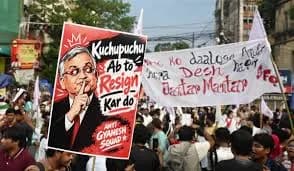
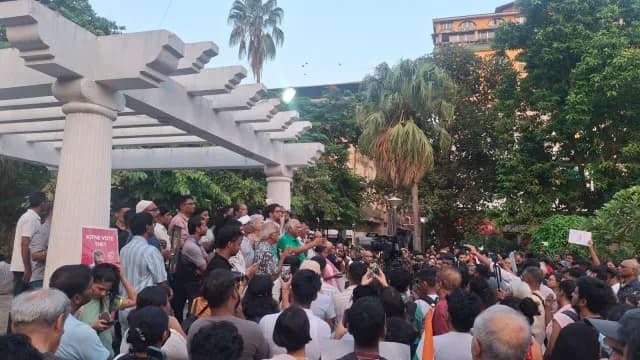
Protests continued in New Delhi on Sunday, October 11, 2026, as leaders of the Gen Z-led Cockroach Janta Party (CJP) vowed to continue their agitation over alleged irregularities in electoral rolls and demanded the resignation of Chief Election Commissioner Gyanesh Kumar.
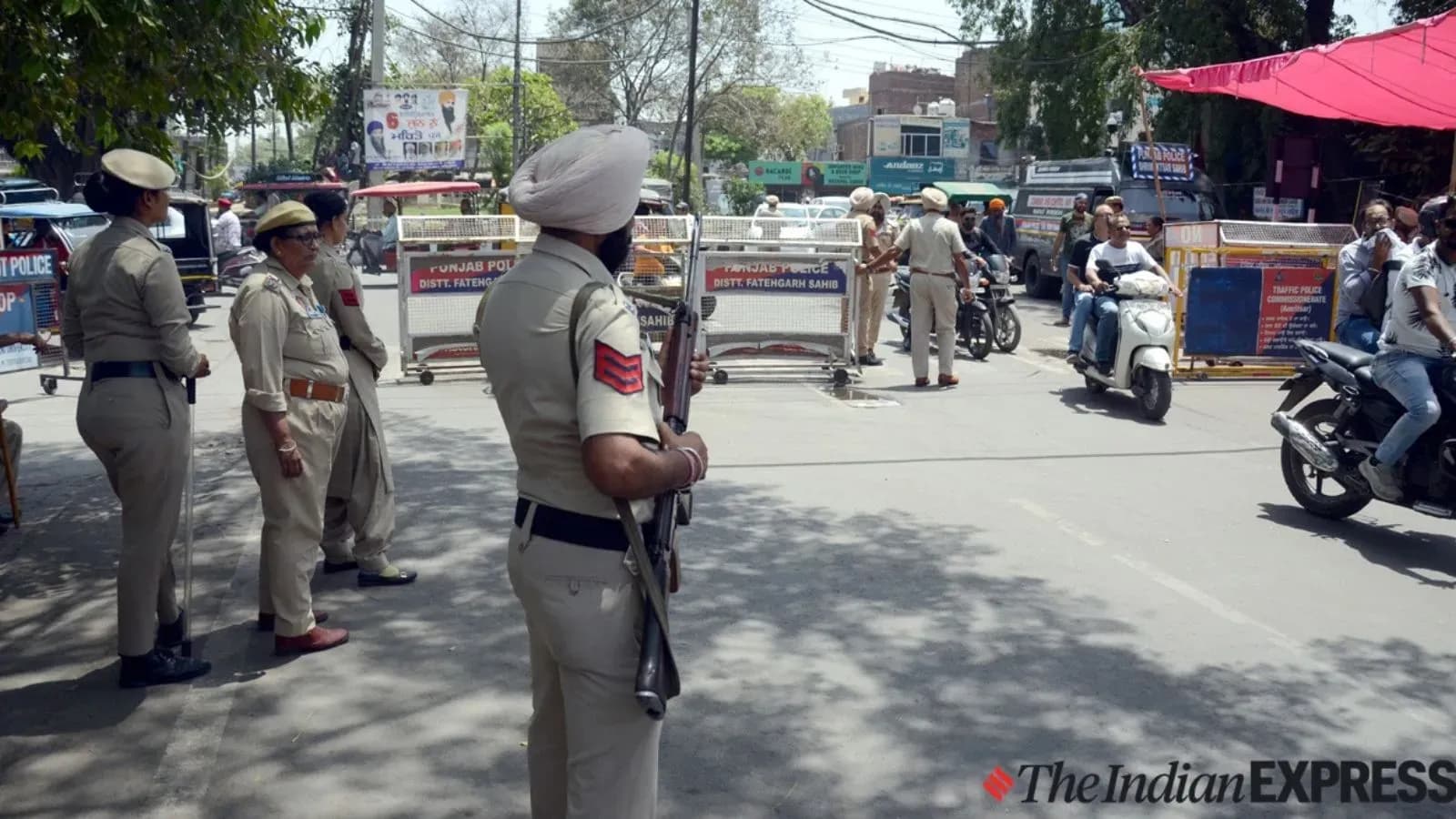
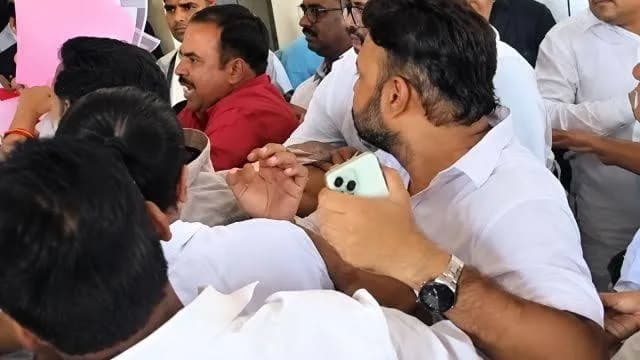
The demonstrations continued for a second consecutive day amid a heavy security deployment, road barricades and reports of hundreds of protesters being detained. The movement's leading figures, including Abhijeet Dipke, Saurav Das and Ashutosh Ranka, were released on Sunday after being detained on Saturday.
The CJP has said it will not withdraw its protest despite the arrests and restrictions imposed around central Delhi.
CJP Leaders Promise to Continue the Protest
Abhijeet Dipke, who helped establish the movement in May 2026, was detained along with other senior CJP leaders when their flight arrived in Delhi on Saturday. Following their release, Dipke said the organisation would neither back down nor be intimidated.
According to police, Dipke, Das and Ranka were released by a magistrate's court on Sunday morning on the condition that they would not engage in a breach of peace for one year.
However, CJP leaders argued that this condition did not prevent them from holding peaceful demonstrations. At a news conference, Ranka said peaceful protest was a constitutional right and pointed to Jantar Mantar as a designated protest site.
The leaders also criticised Prime Minister Narendra Modi, Union Home Minister Amit Shah and Chief Election Commissioner Gyanesh Kumar over the issues that prompted the agitation. These statements reflect the protesters' political position and allegations.
Heavy Security and Detentions Across Central Delhi
Central Delhi witnessed a significant security presence on Sunday, with police and paramilitary personnel stationed behind rows of barricades in areas including Connaught Place.
The BBC reported witnessing numerous detentions as groups of protesters attempted to move through barricaded streets. Some demonstrators were taken away in buses, while others were chased, surrounded and detained by security personnel.
The protests continued despite the absence of several senior CJP leaders from the streets following their detention. Some demonstrators expressed uncertainty about the movement's momentum but maintained that they would continue to press their demands.
Reports also described disruptions to shops, restaurants and offices in parts of central Delhi, adding to the impact of the security restrictions on daily life.
Supreme Court Steps In Over Restrictions
The restrictions prompted complaints about detentions, transport disruptions and curtailed internet services. The Supreme Court held a special hearing on Sunday to consider the concerns.
According to the report, the court directed the authorities to restore internet services and ensure that metro and railway services operated normally, subject to public-order considerations. It also emphasised that the movement of people should be permitted and that there should be no illegal detention.
The court's intervention brought legal scrutiny to the restrictions imposed during the demonstrations. The precise implementation of its directions and any subsequent judicial developments would need to be established through official court records.
Why Is the CJP Protesting?
The central dispute concerns the Special Intensive Revision (SIR), a nationwide exercise to update electoral rolls. The Election Commission has described the exercise as a process intended to remove dead, duplicate and ineligible entries and improve the accuracy of voter lists.
However, the exercise has generated controversy in several states, with voters and political groups alleging that eligible people have been wrongly removed from the rolls.
The report states that at least 130 million voter names had been removed from electoral rolls by the time of publication. The scale of the removals has intensified debate over the verification process, safeguards for eligible voters and the need for transparent procedures.
The CJP and opposition parties have accused the Election Commission, particularly Chief Election Commissioner Gyanesh Kumar, of favouring the BJP in the revision process. The Election Commission and the BJP have denied the allegations. Claims of political bias should therefore be distinguished from independently established findings.
From Education Protests to Electoral Reform
The CJP first gained prominence during demonstrations over education reforms in the summer of 2026. The movement emerged amid wider concerns about unemployment, examination paper leaks and government accountability.
Source: Geeta Pandey and Zoya Mateen, BBC News, Delhi
Publication timing: Approximately 19 hours before the supplied report was shared
Location: New Delhi, India

Join the discussion
Comments (0)