
CJP Leaders Meet Delhi Police to Seek Fresh Protest Date Amid Anti-CEC Agitation
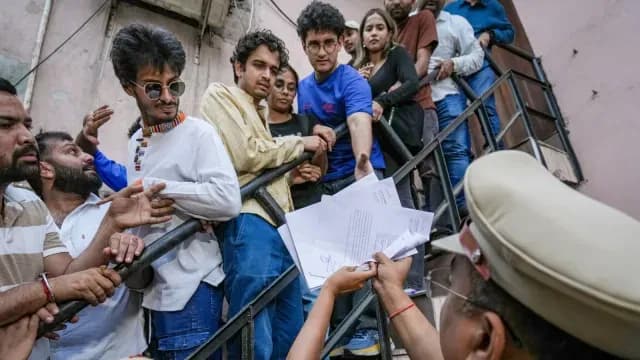
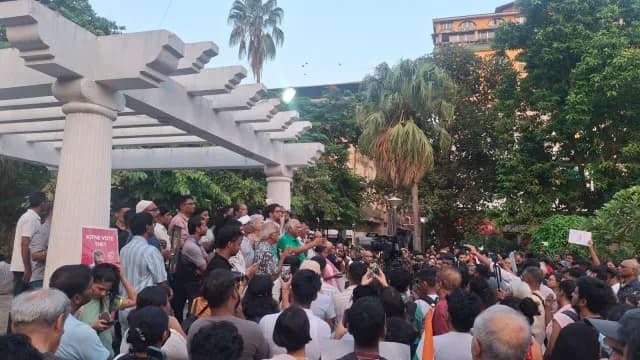
Cockroach Janta Party (CJP) leaders Ashutosh Ranka and Saurav Das arrived at the Parliament Street police station in New Delhi on Monday, October 12, 2026, to seek a fresh date for their proposed peaceful protest against Chief Election Commissioner Gyanesh Kumar.
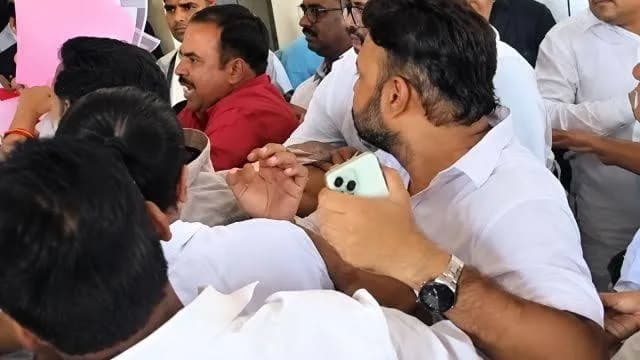
The move follows days of demonstrations and police action in the national capital over allegations of irregularities in the Special Intensive Revision (SIR) of electoral rolls. The CJP has demanded Kumar's resignation and said it intends to continue its agitation despite the detention of several protesters and restrictions around central Delhi.
Ranka had announced on social media that CJP leaders would approach the police to secure permission for a protest at Jantar Mantar. He warned that if the police did not provide a date within 24 hours, the organisation would issue another protest call.
CJP Seeks Permission for Peaceful Demonstration
In a post on X, Ranka said he, Saurav Das, Ratna Singh and other CJP leaders would visit the Parliament Street police station to request a date for a peaceful demonstration at Jantar Mantar.
Ranka said the police should provide a date within 24 hours, adding that the organisation would otherwise announce its next protest programme.
The move comes after police prevented demonstrators from reaching Jantar Mantar during the previous protest. The CJP has maintained that peaceful demonstrations are a constitutional right and has vowed to continue raising concerns about electoral-roll revision.
The police response to the latest request and whether a new protest date will be granted remain key developments to watch.
Protests Over SIR and Demand for CEC's Resignation
The CJP's agitation centres on allegations of irregularities in the Special Intensive Revision of electoral rolls. The organisation and opposition parties have questioned the process and raised concerns about eligible voters potentially being removed from voter lists.
Rahul Gandhi to Lead Opposition March to Supreme Court
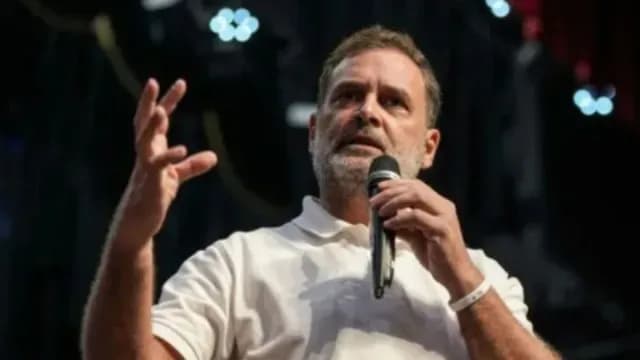
Separately, the Congress and other opposition parties planned a march to the Supreme Court on Monday, led by Rahul Gandhi, the Leader of the Opposition in the Lok Sabha.
According to the report, the delegation intended to submit a memorandum to the Chief Justice of India, seeking a halt to the SIR exercise and demanding Kumar's resignation. The march was scheduled to begin at 1:30 p.m. from Connaught Place, with INDIA bloc leaders and civil society representatives expected to participate.
Security Restrictions and Metro Closures
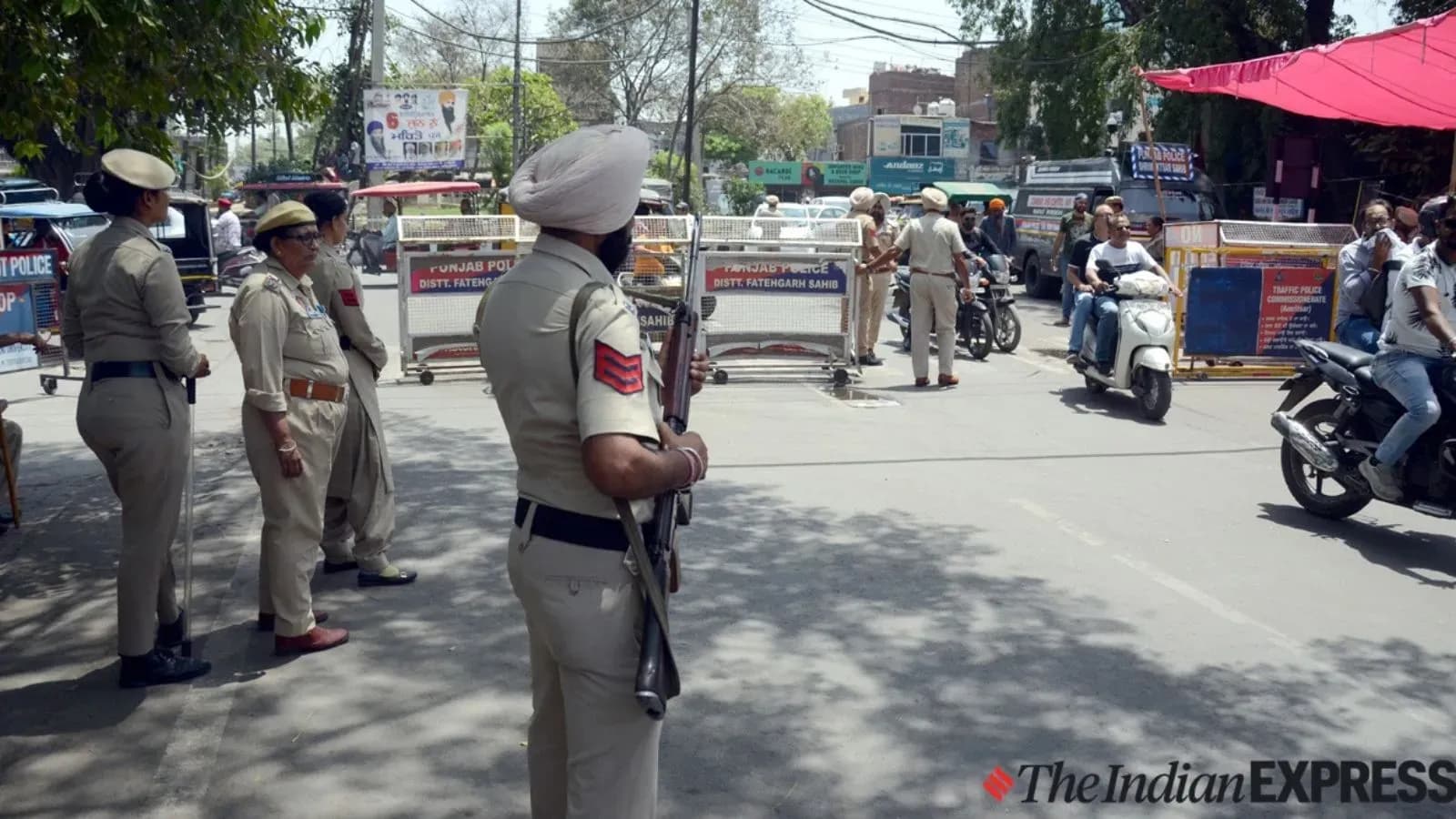
Security remained heightened in parts of central Delhi as authorities prepared for the planned demonstrations.
Entry and exit gates at six metro stations—Janpath, Mandi House, Barakhamba Road, Central Secretariat, Rajiv Chowk and Patel Chowk—were scheduled to remain closed until 4 p.m. on Monday. The Delhi Metro Rail Corporation said interchange facilities would remain available at all six stations.
The restrictions were announced ahead of the Congress-led march. They affected access to some of the capital's busiest transport points and prompted commuters to plan alternative routes.
CJP Founder Challenges Police Account of Detention
CJP founder Abhijeet Dipke also challenged Delhi Police to release the full video of his detention. He alleged that officers denied him access to his phone, cousin and lawyer and failed to inform his family or legal representatives about his whereabouts.
Dipke made the allegations while in Maharashtra's Hingoli district, after leaving Delhi following the death of his grandmother. He said the circumstances surrounding his detention had caused additional distress to his family.
CJP Leaders Released After Preventive Detention
CJP leaders Abhijeet Dipke, Ashutosh Ranka and Saurav Das were released on Sunday after being produced before an executive magistrate at Delhi Cantonment Police Station.
According to the party's legal affairs head, Ratna Singh, the leaders were released on the condition that they would not breach the peace for one year.
The leaders have argued that this condition does not prevent peaceful demonstrations. Their next steps are expected to depend partly on the police response to their request for a new protest date.
What Happens Next?
The immediate developments include the Delhi Police response to the CJP's request for a protest date, the planned opposition march to the Supreme Court and any further official directions concerning transport and public access in central Delhi.
The controversy continues to place electoral transparency, police powers and peaceful protest at the centre of a wider political dispute. The outcome will depend on official decisions, any further court proceedings and the evidence available concerning the allegations raised by protesters.
Source: Syed Ilham Jafri, Sakshi Chand, Asad Rehman and Ananthakrishnan G, The Indian Express
Updated: October 12, 2026, at 11:50 a.m. IST
Location: New Delhi, Indi
Join the discussion
Comments (0)